TSMC(TSM)

Search documents
TSMC Reports Strong January Revenue Growth
Yahoo Finance· 2026-02-13 15:09
Group 1 - Taiwan Semiconductor Manufacturing Company Limited (TSM) reported consolidated net revenue of NT$401.26 billion for January 2026, representing a 19.8% increase from December 2025 and a 36.8% increase from January 2025 [1] - The board of directors approved a cash dividend of NT$6.0 per share for Q4 2025 [1] - TSM is planning mass production of advanced 3-nanometre chips in Kumamoto, Japan, which will enhance its position in the HPC and AI server markets [2][4] Group 2 - The new fab in Japan is expected to contribute to local economic growth and support the development of Japan's AI business [4] - TSM's core offerings include wafer fabrication processes, mask manufacturing, and engineering support services [4] - The company is set to manufacture 3-nanometre chips at its second fab in Arizona next year, which is anticipated to accelerate its AI capabilities and outperform competitors [2]

AI吓坏美股,亚洲股市“因祸得福”,芯片股抢跑成最大受益者
硬AI· 2026-02-13 13:25
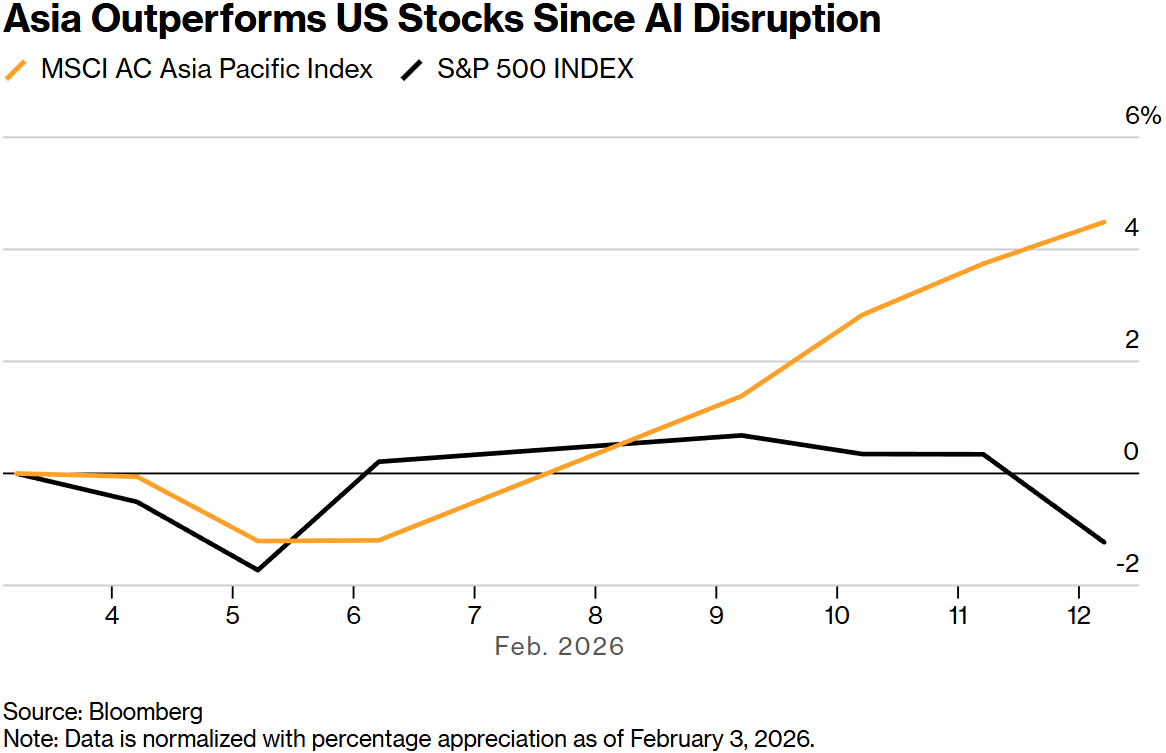
作者 | 杨 宸 编辑 | 硬 AI 美国市场对AI可能带来行业"被颠覆"的担忧 , 正在把全球资金从华尔街的潜在受害者,推向亚洲的AI基础 设施赢家,芯片制造股成为最直接的受益者。 据彭博, MSCI亚太指数2026年以来上涨逾12%,而标普500年内下跌0.2%,纳斯达克100下跌约2%。 过去10个交易日,纳斯达克100下挫4.6%,市值蒸发约1.5万亿美元,软件股等被认为易受新AI工具冲击 的板块领跌。 资金流向也在快速反映这一分化。周四,三星出现"最大规模"的海外净买入,股价上涨6.4%,周五继续上 行;全球投资者对台湾股票录得第三大单周净买入。日本存储芯片厂商铠侠控股周五股价大涨15%。 AI对各行业的颠覆恐慌引发全球资金大迁徙!华尔街资金正加速撤离美股相关标的,涌向亚洲AI硬件生产商。MSCI亚太 指数年内大涨逾12%超越标普500(-0.2%)与纳斯达克100(-2%)。三星、台积电等拥有定价权的芯片巨头遭外资爆 买,亚洲AI硬件供应链正成为这轮AI浪潮的大赢家。 硬·AI 02 外资加码韩国、台湾与日本,指数权重放大芯片股的带动效应 在增量资金进入的背景下,亚洲主要芯片股在本地指数中的高权重 ...


——26年1月台股电子板块景气跟踪:台积电营收环增20%创新高,淡季不淡
Shenwan Hongyuan Securities· 2026-02-13 12:20
Investment Rating - The report indicates a positive outlook for the semiconductor and AI-related sectors, with strong revenue growth expected in 2026 [1][5]. Core Insights - The AI sector is experiencing robust demand, particularly in AI servers, HPC, and cloud data centers, contributing to a significant revenue increase for TSMC, which reported NT$401.26 billion in January 2026, a year-on-year growth of 36.8% [1][5]. - The report highlights that advanced packaging capacity remains tight, which is a critical factor supporting revenue growth [5]. - Companies like Xinxia and JY Electronics are also seeing substantial revenue increases due to the demand for AI-related applications and advanced testing requirements [1][8]. Summary by Sections AI Sector - TSMC's revenue in January 2026 reached NT$401.26 billion, driven by strong demand for AI servers and HPC, maintaining high utilization rates in advanced processes [1][5]. - Xinxia's revenue reached NT$9 billion, a year-on-year increase of 28.5%, reflecting the growing importance of server management chips in AI server architectures [7][8]. Advanced Packaging and Testing - JY Electronics reported NT$33.7 billion in revenue, a 41% year-on-year increase, driven by the complexity of next-generation GPU testing and increased demand for AI ASICs [8]. - Chroma ATE's revenue reached NT$38.3 billion, a 72.1% increase, supported by rising power testing demands and advanced packaging capacity expansion [8]. Semiconductor Manufacturing - UMC, VIS, and PSMC reported revenue increases of 5%, 18%, and 26% respectively, with PSMC achieving a 39-month revenue high due to rising memory wafer prices [15]. - Nanya Technology, Winbond, and Macronix reported significant revenue growth of 608%, 94%, and 51% respectively, driven by structural supply-demand imbalances in the memory market [16]. EMS Sector - Foxconn, Wistron, and Quanta reported revenues of NT$730.04 billion, NT$2,283.7 billion, and NT$2,308.3 billion respectively, with year-on-year growth rates of 36%, 152%, and 62% [12]. - Wistron's chairman emphasized that AI-related orders in 2026 will significantly exceed those of the previous year, indicating a strong outlook for the EMS sector [12]. Passive Components - YAGEO reported NT$130.3 billion in revenue, a 27% year-on-year increase, driven by strong demand from AI-related applications and pre-holiday stocking in Greater China [19].
26年1月台股电子板块景气跟踪:台积电营收环增20%创新高,淡季不淡
Shenwan Hongyuan Securities· 2026-02-13 11:21
Investment Rating - The report maintains a positive outlook on the semiconductor industry, particularly in the AI and HPC sectors, indicating a strong demand that supports revenue growth [2][5]. Core Insights - TSMC reported a record revenue of NT$401.26 billion in January 2026, a year-on-year increase of 36.8%, driven by strong demand in AI servers, HPC, and cloud data centers [2][5]. - The advanced packaging capacity remains tight, which is a key factor supporting revenue growth [5]. - The report highlights that the AI sector continues to drive demand, with companies like Xinxia and JY Electronics also reporting significant revenue increases [2][5][20]. Summary by Sections AI Sector - TSMC's revenue growth is attributed to the sustained demand for AI servers and advanced process technologies, maintaining high utilization rates [5]. - Xinxia's revenue reached NT$900 million in January 2026, up 28.5% year-on-year, reflecting the strong demand for server management chips [7]. - JY Electronics reported a revenue of NT$3.37 billion, a 41% increase year-on-year, driven by the rising complexity and demand for AI-related testing [8]. Mature Process - UMC, World Advanced, and PSMC reported revenues of NT$20.86 billion, NT$4.01 billion, and NT$4.62 billion respectively, with year-on-year growth rates of 5%, 18%, and 26% [16]. - PSMC's revenue reached a 39-month high, driven by rising prices in memory wafer foundry and increased demand for logic foundry [16]. Storage - Nanya Technology, Winbond, and Macronix reported revenues of NT$15.31 billion, NT$11.78 billion, and NT$3.02 billion respectively, with year-on-year growth rates of 608%, 94%, and 51% [17]. - Nanya indicated that various DRAM products may remain tight due to limited new capacity, particularly DDR4 and LPDDR4 [17]. End-Side Chips - MediaTek's revenue was NT$46.98 billion, down 8% year-on-year, with expectations of a significant decline in mobile terminal demand due to rising costs [18]. - The Smart Edge business is expected to grow, with data center ASIC revenue projected to exceed USD 1 billion in 2026 [20]. Passive Components - Yageo reported a revenue of NT$13.03 billion, a 27% year-on-year increase, driven by strong demand from AI-related applications [20].
中国半导体行业展望
Zhong Cheng Xin Guo Ji· 2026-02-13 09:14
Investment Rating - The semiconductor industry is rated as "stable improvement" for the next 12 to 18 months, with potential for upward adjustments based on demand growth from automotive electronics and artificial intelligence [5][7]. Core Insights - The semiconductor industry in China is expected to benefit from effective industrial support policies, accelerating domestic substitution processes, and a stable upward trend in credit quality [5][8]. - The competition in the semiconductor industry remains a key national focus, with ongoing support for high-end breakthroughs and supply chain management [7][9]. - The recovery of the semiconductor industry is driven by the mild recovery in consumer electronics and rapid development in automotive electronics and artificial intelligence [19][24]. - The global semiconductor sales reached approximately $697.18 billion in 2025, with a year-on-year growth of 11.22%, indicating a new recovery cycle after a previous downturn [20][24]. - The domestic semiconductor market in China is projected to reach $210.88 billion in 2025, growing by 14.68% year-on-year, driven by AI and automotive electronics [24]. Industry Fundamentals Analysis - The semiconductor industry is supported by a comprehensive policy framework that includes national and local government initiatives aimed at enhancing self-sufficiency and technological breakthroughs [9][10]. - The production of integrated circuits in China reached 484.3 billion units in 2025, a year-on-year increase of 87.28%, with exports also showing significant growth [11][24]. - The industry is characterized by a high degree of concentration, with the top ten chip design companies holding over 65% of the market share globally, predominantly led by U.S. firms [30][31]. Credit Performance of Industry Enterprises - The overall financial performance of the semiconductor industry has improved, with revenue, profit, and operating cash flow showing growth, while debt levels remain manageable [29]. - The industry has not experienced any bond extensions or defaults, indicating a stable credit environment [29]. - The chip design sector has seen rapid growth, particularly in AI chip manufacturers, which have outperformed other segments [31].



华尔街AI恐慌成亚洲芯片股福音,全球资金转向上游“卖铲人”
智通财经网· 2026-02-13 03:32
Group 1 - The fear of AI-driven business disruption in Wall Street is turning into a boon for Asian stock markets, boosting demand for leading chip manufacturers in the region [1] - The MSCI Asia-Pacific Index has risen over 12% since 2026, contrasting sharply with the decline of U.S. benchmark indices, where the S&P 500 is down 0.2% and the Nasdaq 100 has dropped about 2% this year [1] - The shift in global capital preferences is moving from AI pioneers with heavy expenditures to hardware manufacturers with strong pricing power, many of which are located in Asia [1] Group 2 - Asia is home to many advanced chip manufacturers and semiconductor foundries crucial for AI infrastructure, which has contributed to its resilience during recent Wall Street downturns [5] - Samsung Electronics recently recorded its largest overseas buying, leading to a 6.4% increase in its stock price, while Taiwan stocks saw their third-highest weekly purchase volume [5] - The Nasdaq 100 index has dropped 4.6% over the past 10 trading days, with a market value loss exceeding $15 billion due to sell-offs in software stocks perceived to be at risk from new AI tools [5] Group 3 - TSMC holds nearly 45% weight in the Taiwan Weighted Index, three times its level a decade ago, while Samsung Electronics and SK Hynix together account for nearly 40% of the Korean Kospi index [6] - The "AI panic trading" has impacted U.S. real estate service stocks and insurance brokers significantly, but Asian markets have been less affected due to slower responses from local companies to advanced technologies [6] - The correlation between Asian and U.S. stock markets has dropped to 0.43, the lowest level since June 2022 [9] Group 4 - Indian tech service companies, including Infosys Ltd., have also seen declines during recent sell-offs, indicating that Asia is not entirely insulated from global turmoil [10] - However, due to the different roles local companies play in the AI ecosystem, cheaper valuations, and stronger earnings growth, Asian stock markets are expected to continue outperforming [10] - Investment firms are focusing on chip manufacturers like TSMC, viewing them as key players in the AI-driven market [10]
苹果和英伟达打响“台积电争夺战”
日经中文网· 2026-02-13 02:46
Core Viewpoint - The competition for semiconductor production capacity between Apple and Nvidia is intensifying, with Nvidia expected to surpass Apple as TSMC's largest customer by 2026, impacting Apple's ability to meet iPhone demand due to semiconductor shortages [2][6][9]. Group 1: Apple's Situation - Apple has faced significant supply constraints, leading to an inability to meet high demand for iPhones, as acknowledged by CEO Tim Cook during a financial report [4]. - In Q4 2025, Apple achieved its highest profit ever, with iPhone sales reaching a historical peak after three years, but future production may not satisfy demand due to semiconductor shortages [4]. - The primary bottleneck for Apple is the competition for TSMC's production capacity, which is critical for the latest iPhone 17 series chips manufactured using 3nm technology [4][6]. Group 2: TSMC's Role - TSMC holds a 70% market share in the advanced semiconductor foundry sector and has been a key supplier for Apple, producing semiconductors that serve as the "brain" of iPhones [4][6]. - TSMC's sales from AI-related products have surpassed 50%, while smartphone-related sales have decreased to around 30%, indicating a shift in focus towards AI technologies [6]. Group 3: Nvidia's Ascendancy - Nvidia is projected to become TSMC's largest customer by 2026, overtaking Apple, as the demand for AI-related semiconductors grows [6][9]. - Nvidia's CEO Jensen Huang has actively engaged with TSMC to secure production capacity, indicating a strategic push to penetrate Apple's traditional dominance in semiconductor supply [7][9]. - The collaboration between TSMC and Nvidia has evolved into a partnership that shares the growth benefits from the AI boom, marking a significant shift in the semiconductor supply landscape [9].



金价银价深夜跳水,白银猛跌超10%
Sou Hu Cai Jing· 2026-02-13 02:22
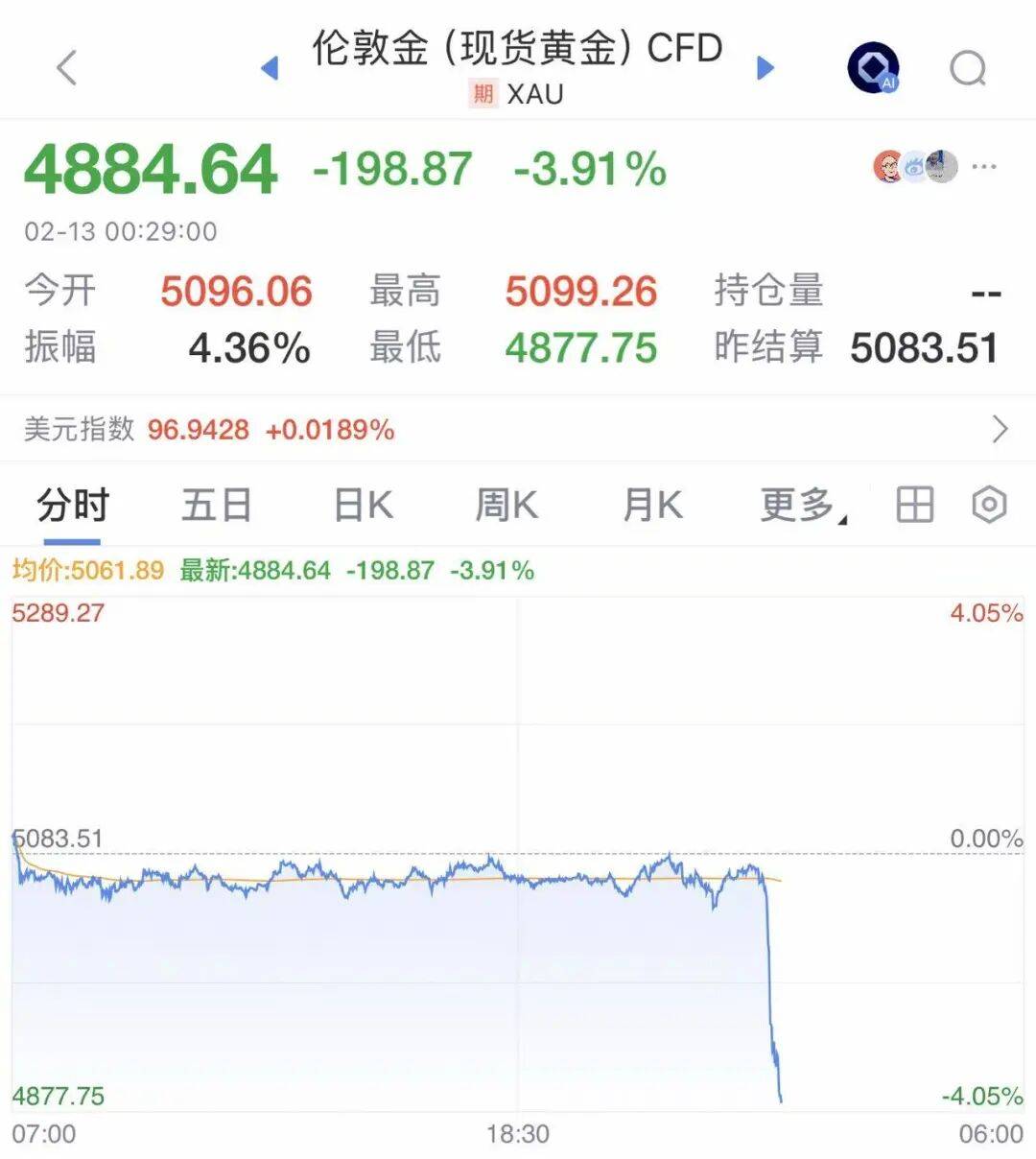
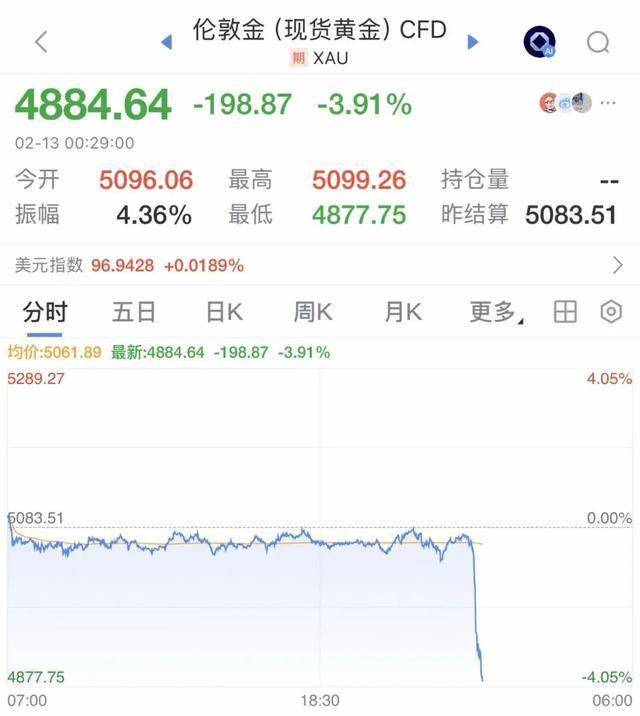
Group 1 - Gold prices experienced a sudden drop, with spot gold falling over 3% and nearly $200 during the day [1] - Silver prices also declined significantly, dropping over 8% [1] Group 2 - U.S. stock indices collectively fell, with the Nasdaq down over 1.5%, the Dow Jones down nearly 1%, and the S&P 500 down 1% [3] - Major tech stocks saw declines, with Apple dropping over 3% and losing more than $120 billion in market value (approximately 82 billion RMB) [5] - Other tech companies such as Microsoft, Amazon, Tesla, Meta, and Nvidia also experienced declines [5] Group 3 - Chinese concept stocks fell sharply, with the Nasdaq Golden Dragon China Index dropping nearly 3% [6]




AI angst in US stocks sends global money chasing Asia’s winners
The Economic Times· 2026-02-13 02:20
Core Insights - The shift in global funds' preference is moving from AI pioneers with high spending to hardware producers with strong pricing power, particularly in Asia [1][13] - Asian chipmakers are benefiting from surging memory chip prices, with companies like Samsung Electronics and TSMC playing crucial roles in the AI infrastructure [5][13] Company Performance - Samsung Electronics experienced a significant increase in foreign demand, leading to a 6.4% rise in its shares, with continued gains the following day [5][13] - Kioxia Holdings Corp. saw its shares surge by 15% due to strong AI demand, which contributed to a better-than-expected results outlook [6][13] - TSMC is approaching a 45% weighting in Taiwan's benchmark Taiex index, highlighting its dominance in the market [9][13] Market Trends - The MSCI Asia Pacific Index has risen over 12% in 2026, contrasting with declines in US benchmarks like the S&P 500 and Nasdaq 100 [12][13] - The correlation between Asian and US equities has decreased to 0.43, indicating a divergence in market performance [10][13] - The Topix insurance sub-index has increased by 6.2% since February 3, while the real estate counterpart has surged by 15% [9][13] Investment Focus - Investment strategies are increasingly targeting AI enablers such as chip manufacturers, with TSMC being a favored position among investors [12][13] - The resilience of Asian stocks is attributed to their roles in the AI ecosystem, cheaper valuations, and stronger earnings growth compared to US counterparts [12][13]


深夜突变!金价、银价闪崩
Sou Hu Cai Jing· 2026-02-13 01:53
Group 1 - Gold prices experienced a sudden drop, with spot gold falling over 3% and nearly $200 during the day [1] - Silver prices also declined significantly, dropping over 8% [1] Group 2 - Major U.S. stock indices saw a collective plunge, with the Nasdaq down over 1.5%, the Dow Jones down nearly 1%, and the S&P 500 down 1% [2] - Apple shares fell over 3%, resulting in a market capitalization loss of over $120 billion (approximately 82 billion RMB) [2] - Other major tech stocks, including Microsoft, Amazon, Tesla, Meta, and Nvidia, also experienced declines [2] Group 3 - Specific stock movements included Tesla down 1.81%, TSMC down 1.38%, and Alibaba down 3.83% [3] - Google shares increased by 0.81%, while other tech stocks like Microsoft and Intel saw declines of 1.09% and 2.79%, respectively [3]