
CEA(600115)

Search documents
东航浙江分公司春运计划日均始发航班174班次
Zhong Guo Min Hang Wang· 2026-01-30 09:03
春运期间返乡、探亲、学生、旅游等客流叠加,出行高峰集中在节前的腊月二十六至除夕,东北、西 北、西南仍然是返乡客源主要目的地,9天长假形成"先返乡探亲、后出门旅游"的"二次出行"模式,在 正月初五至正月十一还会出现一次明显出行高峰。(编辑:贾昊天 校对:李海燕 审核:韩磊) 根据目前东航客票销售情况,浙江游客主要旅游热点仍集中在"一南一北"的海岛游和冰雪游,热门旅游 目的地包括哈尔滨、沈阳、长白山、延吉、三亚、海口、南宁、汕头、西双版纳,东航浙江分公司针对 热门旅游线路和客流量较大的航线,合理调配宽体机执飞。 《中国民航报》、中国民航网 记者赵瑜 通讯员 俞铮、郑雨婷 报道:春运即将启幕,今年春运期间,东 航浙江分公司计划在浙江全省始发航班6485班次,同比2025年增长4.18%,日均始发174班,全力以赴 保障旅客春运平安、便捷、温馨出行。 据介绍,东航浙江分公司计划开通多条浙江始发的新航线。国内方面,新开宁波至揭阳潮汕、宁波经太 原至兰州、杭州至兰州航线,均为每天一班,新增宁波至成都双流每周三班,进一步织密浙江区域航线 网络,为旅客假期出游带来更多选择。国际方面,随着免签国数量的增加和春节假期的延长,境外 ...


航空迎来黄金时代之周期持续性探讨:为何现阶段我们仍看好航空?
Shenwan Hongyuan Securities· 2026-01-30 07:47
行 业 及 产 业 交通运输/ 航空机场 2026 年 01 月 30 日 相关研究 《航空"反内卷"初见成效——航空迎来 黄金时代系列报告》 2026/01/20 《景气度持续提升,从量变到质变—— 2025 下半年航空板块投资策略》 2025/06/12 《全球格局持续演变,静待我国航司迈入 成熟期——2025 航空及海外飞机制造链 年度策略》 2024/11/27 《航空出行渐入常态,再强调"国际+供 给"双主线——2024 航空机场中期策 略》 2024/06/14 《不同周期阶段的不同演绎,民航业东升 西降趋势确定-2024 航空机场投资展望》 2023/12/05 证券分析师 王凯婕 A0230525110001 wangkj@swsresearch.com 闫海 A0230519010004 yanhai@swsresearch.com 罗石 A0230524080012 luoshi@swsresearch.com 郑逸欢 A0230526010001 zhengyh@swsresearch.com 联系人 王凯婕 A0230525110001 wangkj@swsresearch.com 本 ...


“西安-维也纳”直飞航线将于4月20日开通
Xi An Ri Bao· 2026-01-30 07:22
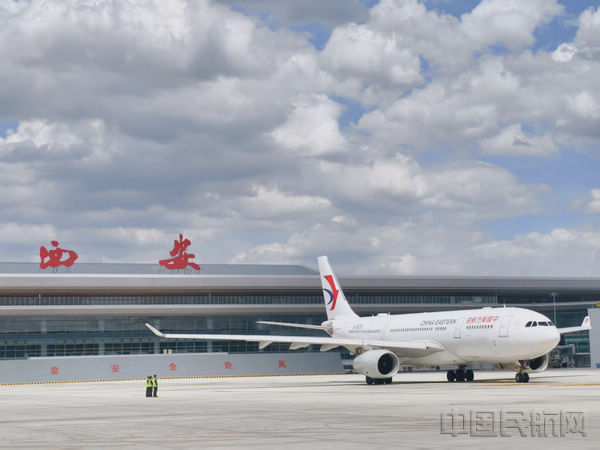
Core Viewpoint - China Eastern Airlines has launched a new direct international flight route from Xi'an to Vienna, enhancing trade, cultural exchange, and tourism between the two regions [1] Group 1: New Route Details - The new route will operate with an A330 aircraft, with round-trip flight numbers MU5063/4, flying three times a week on Mondays, Thursdays, and Saturdays [1] - The outbound flight departs from Xi'an Xianyang International Airport at 01:30 Beijing time and arrives at Vienna International Airport at 06:10 local time, with a total flight duration of approximately 10 hours and 40 minutes [1] - The return flight leaves Vienna at 13:30 local time and arrives back in Xi'an at 05:50 Beijing time the next day, with a total flight duration of about 10 hours and 20 minutes [1] Group 2: Strategic Importance - The launch of the Xi'an-Vienna route increases China Eastern Airlines' total number of European routes to 27, contributing to the development of the "Air Silk Road" network in Europe [1]
助力春运出行 东航率先推出机票线上候补服务
Zhong Guo Min Hang Wang· 2026-01-30 01:52
未来,东航将继续以旅客需求为导向,深化数智化转型,不断推出更多有温度、高效率的智慧出行服 务。(编辑:张薇,校对:李季威,审核:韩磊) 旅客候补申请提交后,系统将实时监控航班剩余座位,及时更新候补动态,实现"候补成功则自动出 票、候补失败则原路退款"的自动化操作。东航推出机票线上候补服务,通过数智化手段实现了旅客需 求与航班座位资源的精准对接,高效盘活了退票和增配座位资源,在保障旅客出行权益的同时,进一步 优化了航班运力配置。 《中国民航报》、中国民航网 记者钱擘 报道:1月29日晚间,中国东航面向"东方万里行"会员正式开放 机票线上候补,在国内航司中率先推出这一服务创新。 每逢春运、节假日等出行旺季,面对"一票难求"的热门航线,旅客过去只能或是不断刷手机,或是找线 下票务柜台、联系票代,了解有否因为退票、换大机型等原因而出现新的余票,耗时费力。为提升旅客 体验,东航推出了国内(不含港澳台地区)经济舱航班全流程线上候补服务通道。旅客只需登录东方航 空App,在搜索到目标航班后,即可提交候补申请,全程无需人工干预、无需线下奔波,真正实现"一 键候补"。 ...
第三架C919入列国际国内航线 东航2026春运“长安攻略”出炉
Zhong Guo Min Hang Wang· 2026-01-30 01:40
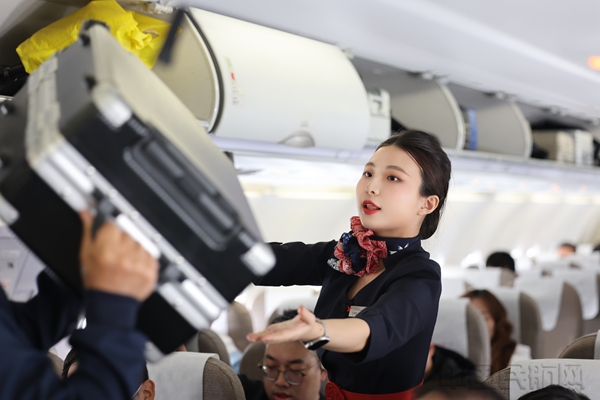
此外,从2月16日起,第三架国产大飞机C919将正式入驻西安咸阳国际机场,执飞西安至上海、北京、 广州三大核心干线。整个春运期间,C919计划在西安执行712个班次,这不仅是旅客出行品质的升级, 更是陕西民航保障能力与国家高端制造水平的一次集中展示。 面对春运大考,东航西北分公司从安全、运行、服务三端协同发力。在全面强化除冰等复杂天气应对能 力的同时,着力打造充满人情味的"温暖春运"。 客舱与地面服务部门已制定精细化方案,从行李管 控、晚到旅客协助到节日氛围营造,全程守护旅客顺畅出行。春节期间,万米高空将开展"新春送祝 福"等主题互动,让旅途充满年味。 此外,东航一系列创新服务产品也将在春运期间发挥重要作用:"行李门到门"服务使旅客可以"解放双 手"、轻松乘机"空手"回家过年;自1月1日起,东航为所有由宽体机执飞的国内(不含港澳台)航班头 等舱和公务舱旅客提供免费的畅享高速版Wi-Fi,为经济舱旅客提供标准版空中Wi-Fi服务,使旅客实现 在云端拜年、分享旅途精彩;全国125条航线的"宠物进客舱"服务,让"毛孩子"也能陪伴主人共赴团 圆;东航同步升级小件行李服务体验,针对旅客放置于前排座椅下方的软包等非托运行 ...
股市必读:中国东航(600115)1月29日主力资金净流出1.38亿元,占总成交额13.63%
Sou Hu Cai Jing· 2026-01-29 16:40
截至2026年1月29日收盘,中国东航(600115)报收于5.4元,下跌0.74%,换手率1.1%,成交量188.11万 手,成交额10.09亿元。 中国东方航空股份有限公司董事会2026年第1次会议于2026年1月27日召开,审议通过《关于公司2025年 套期保值工作总结及2026年工作计划的议案》和《关于公司2026年度内部审计工作计划的议案》。会议 同意公司在2026年开展汇率和航油套期保值业务,其中汇率方面,美元负债公允价值汇兑远期交易额度 上限为10亿美元,美元购汇现金流汇兑衍生业务额度上限为12亿美元;航油方面,以布伦特原油和上海 国际能源交易中心原油为基准,开展互换、期货合约,额度不超过1,425万桶,期限不晚于2028年。预 计任一交易日持有的最高合约价值不超过202.66亿元人民币,动用的交易保证金和权利金上限不超过 21.13亿元人民币。资金来源为自有资金和金融机构授信。上述事项已由董事会审计和风险管理委员会 审议通过,无需提交股东大会审议。公司已制定相关风控措施,包括设定止损线、选择信用良好的金融 机构作为交易对手等。 以上内容为证券之星据公开信息整理,由AI算法生成(网信算备3101 ...

股票市场概览:资讯日报:美联储维持利率不变,符合市场普遍预期-20260129
Guoxin Securities Hongkong· 2026-01-29 11:58
Market Overview - The Federal Reserve maintained the federal funds rate target range at 3.5%-3.75%, aligning with market expectations[9] - The Hang Seng Index closed at 27,827, down 2.58% for the day but up 8.57% year-to-date[3] - The S&P 500 index closed at 6,978, with a slight decrease of 0.01% for the day and a year-to-date increase of 1.94%[3] Stock Performance - Gold prices surged, with spot gold exceeding $5,280 per ounce, marking a monthly increase of over 22%[9] - Semiconductor stocks saw significant gains, with the Philadelphia Semiconductor Index rising by 2.34%[9] - Major tech stocks showed mixed results, with Intel up 11.04% and Microsoft down 6% post-earnings report[9] Sector Highlights - Oil stocks continued to rise, with Shanghai Petrochemical gaining over 5% due to geopolitical tensions driving oil prices up by 3%[9] - New consumer concept stocks performed well, with a snack retail chain soaring 69% on its debut[9] - Airline stocks faced pressure, with China Southern Airlines down 6.83% due to rising operational costs[9] Economic Indicators - The U.S. dollar index fell to 95.51, the lowest since February 2022, contributing to the rise in gold prices[9] - The Japanese yen strengthened, impacting export-related stocks negatively, with Toyota down 3.24%[13] - The Bank of Japan raised its policy rate to 0.75%, the highest in 30 years, indicating a cautious approach to future rate hikes[13]



2月金股报告:指数震荡,行业关注资源、出海、科技
ZHONGTAI SECURITIES· 2026-01-29 11:18
Group 1 - The report indicates that the A-share market is experiencing a typical spring rally characterized by initial strength followed by stabilization and structural differentiation, with major indices recording positive returns as of January 28, 2026 [6] - The average daily trading volume in January reached 3.04 trillion yuan, an increase of 1.16 trillion yuan month-on-month, indicating a significant influx of new capital and a loose liquidity environment driving the index upward [2] - Regulatory measures, including raising the minimum margin requirement from 80% to 100%, have led to fluctuations in market sentiment and a deceleration in the index's upward momentum [3] Group 2 - The report highlights that technology assets are experiencing a rotation between thematic and cyclical investments, with thematic investments (e.g., commercial aerospace, AI applications) initially favored but cooling off due to increased margin requirements [4] - In the cyclical sector, non-ferrous metals, basic chemicals, and oil & petrochemicals have shown strong performance driven by three factors: demand from high-end manufacturing, proactive supply-side adjustments, and external geopolitical risks [4] - The report anticipates a structural market characterized by a focus on "resources + technology + overseas expansion," with low-risk preference assets potentially outperforming in certain phases [5] Group 3 - The investment strategy emphasizes focusing on "external demand cyclical + AI industry chain," highlighting the potential for global manufacturing recovery to support resource prices and opportunities for Chinese manufacturing to expand overseas [5] - The AI industry remains a clear investment theme, with a shift from thematic to performance-driven investments, particularly in areas with supply shortages such as power supply and semiconductor sectors [5] - The report recommends a selection of stocks across various sectors, including Invesco's Nonferrous ETF, Dongpeng Beverage, and Huazhong Precision, among others, reflecting a diversified investment approach [10]


国内航班免费可选座位最低要求占七成!曾有航司因锁座被约谈
Nan Fang Du Shi Bao· 2026-01-29 10:40
Core Viewpoint - The China Air Transport Association has released a draft standard for public consultation regarding the reservation of seats on flights, aiming to regulate the classification and information disclosure of economy class seats by airlines [1][2]. Group 1: Seat Classification and Regulations - Airlines are required to categorize economy class seats into "free selectable seats" and "reserved seats" [2]. - Reserved seats are further divided into operationally necessary reserved seats (for safety and service needs) and value-added reserved seats (including reward points/miles redemption and paid reservations for international and regional flights) [2]. - Domestic flights must ensure that at least 70% of economy class seats are free selectable, while international and regional flights must have a minimum of 65% [2]. Group 2: Information Disclosure and Transparency - Airlines must clearly inform passengers about the categories of free and reserved seats, redemption standards, paid selection prices (for international and regional flights), and the release time of reserved seats [2]. - A clear seat map must be provided to distinguish between "free selectable," "member selectable," "not selectable online," and "selected seats" to avoid ambiguity and misleading information [2]. Group 3: Consumer Complaints and Industry Response - Several airlines have faced scrutiny for locking certain desirable seats, leading to consumer complaints about unfair practices [3]. - The Jiangsu Consumer Protection Committee has conducted investigations and engaged with multiple airlines regarding the locking of seats that should be part of standard services [3]. - Airlines such as 吉祥航空 and 四川航空 have acknowledged the issues and are undertaking internal evaluations and corrective actions in response to the consumer protection committee's findings [3].
关于航班“锁座”,中国航协将有明确标准
Guan Cha Zhe Wang· 2026-01-29 09:53
Core Viewpoint - The China Air Transport Association has issued a draft for public consultation regarding the "Flight Seat Reservation Rules for Public Air Transport Enterprises," aiming to standardize seat reservation practices and enhance passenger rights in response to growing demand for personalized travel experiences [1][2]. Group 1: Overview of the New Rules - The new rules require that at least 70% of seats on domestic flights and 65% on international and regional flights be available for free selection by passengers [2]. - The draft aims to address discrepancies in seat selection services among airlines, ensuring a more uniform experience for travelers [1][2]. Group 2: Scope and Applicability - The rules apply to both domestic and international flights operated by public air transport enterprises within China, with foreign airlines encouraged to follow these guidelines [3]. Group 3: Seat Reservation Definitions - Free selectable seats are defined as those available for passengers to choose without additional charges [6]. - Reserved seats are those not open for selection due to safety, special passenger needs, or value-added services [8]. Group 4: General Principles - Safety is prioritized, with seat reservation and release practices needing to comply with safety regulations [18]. - The rules emphasize a passenger-centered approach, ensuring sufficient free seats and respecting diverse passenger needs [19]. Group 5: Seat Reservation Management - Airlines must establish a management system for seat reservations, detailing reasons, quantities, and rules for obtaining and releasing seats [5][21]. - For domestic flights, value-added reserved seats are limited to loyalty program members, and no paid seat selection is allowed [23]. Group 6: Release Rules - Domestic flights must release reserved seats for free selection no later than three hours before departure [27]. - For international flights, reserved seats should be released progressively starting 48 hours before departure, with specific rules for different seat categories [33]. Group 7: Information Disclosure - Airlines must clearly inform passengers about seat reservation options, including free and paid selections, and the rules governing these options [35]. - Seat maps must use clear icons to indicate different seat categories for both domestic and international flights [36][37].