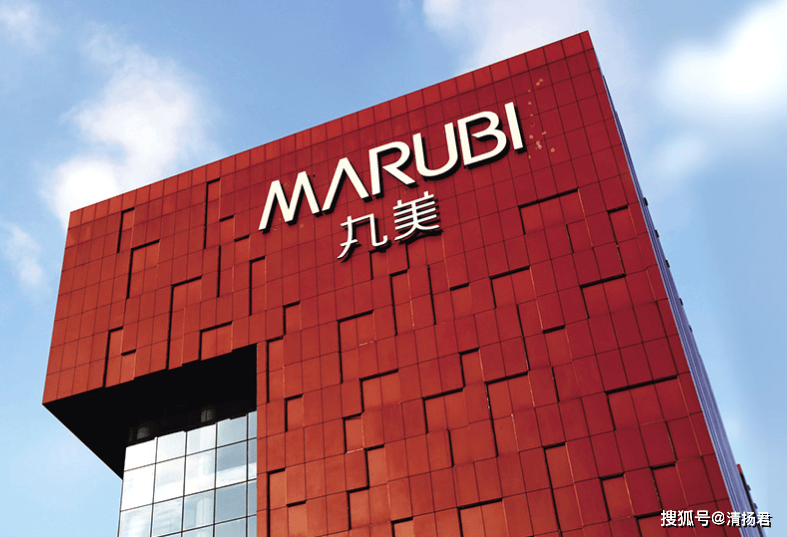
Marubi(603983)

Search documents
从“假洋品牌”往事到真“财务问题”,丸美赴港上市能赢回信任吗?
Feng Huang Wang Cai Jing· 2025-12-18 06:07
Core Viewpoint - The company Marubi, known for its beauty products, is planning a secondary listing in Hong Kong after facing financial and governance issues following its initial public offering in A-shares in 2019. The company has experienced a decline in net profit from 2020 to 2022, with a significant drop of 47.95% in 2021, although there has been a recovery in 2023 [1][3]. Financial Performance - Marubi's revenue from 2022 to 2025 (first nine months) is projected to be 17.3 billion, 22.3 billion, 29.7 billion, and 24.5 billion respectively, while net profits are expected to be 1.7 billion, 2.8 billion, 3.4 billion, and 2.5 billion [3]. - The company's revenue is primarily generated from its two brands, Marubi and Lianhuo, with Marubi contributing 70-80% of total revenue. Lianhuo's revenue is expected to grow from 2.9 billion in 2022 to 9 billion in 2024 [5]. - Marubi's overall gross margin has increased from 67.8% in 2022 to 74.8% in the first nine months of 2025, while the net profit margin has remained around 10% [6]. Governance Issues - Marubi has faced scrutiny for financial irregularities, including inaccurate revenue recognition and improper accounting practices. The company has been penalized for these issues, which include misreporting funds held in third-party payment platforms and misclassifying consulting fees as research and development expenses [8][9]. - The management of raised funds has also been criticized, as Marubi failed to separate the accounting for projects funded by raised capital from those funded by its own resources [9]. Dividend Concerns - Since its IPO in 2019, Marubi has distributed a total of 1.08 billion in cash dividends over eight occasions, with significant amounts flowing to the founder and his spouse, raising questions about the sustainability of such distributions [12][13]. Brand Trust Issues - Marubi has a history of controversies, including misleading claims about its Japanese origins and product quality issues. Although these past issues have been less frequently mentioned in recent discussions, the company now faces new challenges related to financial data and governance, which could impact its brand trust [17][20].


大消费行业主题报告
2025-12-17 15:50
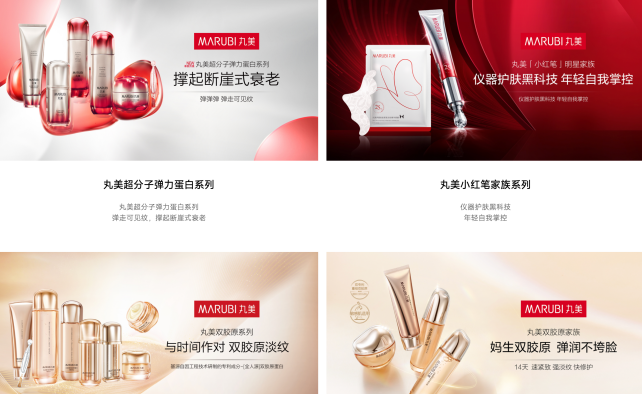
Summary of Key Points from Conference Call Records Industry Overview - The conference call discusses the **large consumption sector**, highlighting the emergence of new consumer demands that drive growth in the sector through new products (personalized, green, low-carbon), new channels (snack chains, discount formats), and new business models (diverse consumption scenarios) supported by the "14th Five-Year Plan" [1][2]. Core Insights and Arguments - **Traditional Consumption Recovery**: The traditional consumption sector is expected to recover by 2026, driven by the release of residents' purchasing power and policy measures aimed at boosting employment and income stability. The food and beverage industry is stabilizing, with the liquor sector showing signs of fundamental stability and dairy products expected to recover quickly [1][5]. - **Commodity Market Trends**: The commodity market has shown a trend of high followed by low prices, with the government implementing various promotional policies to stimulate service consumption and domestic demand. The Ministry of Commerce has issued opinions to expand service consumption, aiming to enhance residents' quality of life and stimulate domestic demand potential [1][6][7]. - **Emerging Consumer Demands**: New consumer demands are impacting the large consumption sector through three main directions: the development of new products that meet diverse and personalized needs, the optimization of new channel structures, and the promotion of new business models that foster diverse consumption scenarios [2][4]. Important but Overlooked Content - **Social Services Sector Changes**: The social services sector is evolving to meet changing consumer demands, with slight increases in beauty care and retail sectors. Key areas of investment include outdoor sports, gold and jewelry, and cultural and trendy IPs, with recommendations for companies like Anta Sports and Lao Pu Gold [8][22]. - **Tourism Market Trends**: The tourism market is gradually recovering, with leading companies like Ctrip and Huazhu Group adapting through technological innovation and marketing to meet the new demands of both young and elderly consumers. China Duty Free's Hainan business has benefited significantly from new duty-free policies [9][10]. - **Food and Beverage Sector Stability**: The food and beverage sector is stabilizing, with the liquor market facing challenges but showing resilience in mass consumption. The snack sector is experiencing performance differentiation, while dairy product demand is steady and supply is gradually clearing [12][17]. - **Investment Opportunities in Agriculture**: The agriculture, forestry, animal husbandry, and fishery sectors present investment opportunities, particularly in pig farming and the pet industry, which is growing due to demographic changes and emotional needs [3][13][19]. - **Household Appliance Sector**: The household appliance industry is seeking structural highlights amid steady growth, with a focus on high-dividend white goods and improving profit margins in black goods. The market for robotic vacuum cleaners is also expected to grow due to technological advancements [20][21]. This summary encapsulates the key points discussed in the conference call, providing insights into the large consumption sector and its various components, along with potential investment opportunities and market trends.


丸美生物:向港交所递表 全面提升综合竞争力
Zheng Quan Shi Bao Wang· 2025-12-17 11:02
Core Viewpoint - Marubi Biotechnology (丸美生物) is planning to issue H-shares to raise funds aimed at enhancing its core strategies, including strengthening its omni-channel sales system, improving brand value, incubating new brands, enhancing R&D capabilities, optimizing the supply chain, and supplementing working capital, with the goal of improving overall competitiveness [1][2] Group 1: Company Strategy and Financial Plans - The funds raised from the H-share issuance will be used entirely to reinforce the company's core strategies, including building a comprehensive omni-channel sales system and enhancing brand value through diversified marketing activities [1][2] - The company emphasizes that the H-share issuance will not lead to a change in control, with Dr. Sun Huaqing and Wang Xiaopu remaining the actual controllers [2] - Marubi plans to invest in both online and offline direct-to-consumer (DTC) capabilities, expand its R&D team, upgrade R&D facilities, and improve supply chain capabilities [2] Group 2: Market Position and Competitive Advantage - Marubi has established a closed-loop value chain for core raw materials, having developed over 80 proprietary ingredients, with more than 30 achieving large-scale production [2] - The company holds 651 global patent applications and has been granted 265 invention patents, positioning its R&D strength among the top in the domestic beauty industry [3] - Marubi's brand has ranked first in China's eye care market for four consecutive years, while its "Lianhuo" brand ranks third in the domestic foundation market [3] Group 3: Industry Growth and Future Outlook - The anti-aging skincare segment is the fastest-growing sub-sector in China's skincare industry, presenting significant growth opportunities for Marubi [3] - The H-share issuance is viewed as a strategic decision for long-term development, aligning with industry trends and enhancing the company's capital strength and core competitiveness [3]
化工企业加速布局“A+H”双资本平台
Zhong Guo Hua Gong Bao· 2025-12-17 03:36
Group 1 - A number of A-share listed chemical companies, including Guoen Co., Linglong Tire, Proya, and Baili Tianheng, have accelerated their plans for listing in Hong Kong, aiming to create an "A+H" dual capital platform to broaden their development paths and inject new momentum into their growth [1] - The surge in Hong Kong listings is driven by both policy support and market demand, with international expansion and enhanced global competitiveness becoming key motivations for chemical companies [1][2] - Guoen Co. announced that the Hong Kong Stock Exchange's listing committee held a hearing on its application for H-share issuance on December 11, marking a critical stage in its listing process [1] Group 2 - The listing trend is supported by ongoing reforms in Hong Kong's capital market and policies from mainland China, which have made the Hong Kong Stock Exchange more attractive for innovative companies since the introduction of new listing rules in 2018 [2] - Recent measures from the Ministry of Finance and the China Securities Regulatory Commission have expanded the list of qualified institutions for H-share auditing, enhancing the quality of auditing services available to mainland companies seeking to list in Hong Kong [2] - The move to list in Hong Kong represents a proactive choice for companies to broaden financing channels and advance international development, reflecting the dual opening of China's capital market [3]



丸美生物递表港交所 全面提升综合竞争力
Zhong Zheng Wang· 2025-12-16 10:55
Core Viewpoint - Guangdong Marubi Biotechnology Co., Ltd. plans to raise funds through H-share issuance to strengthen its core strategies, enhance its comprehensive competitiveness, and improve its operational capabilities [1][3] Group 1: Company Overview - Marubi has been focused on the anti-aging skincare industry for over 20 years, leveraging synthetic biology technology and core breakthroughs in recombinant collagen [2] - According to a Frost & Sullivan report, Marubi is the third largest beauty company in China in the recombinant collagen skincare segment based on retail sales in 2024 [2] Group 2: Fundraising Purpose - The funds raised will be used to enhance the company's multi-channel sales system, improve brand value, incubate new brands, strengthen R&D capabilities, optimize the supply chain, and supplement working capital [1][3] - Specific plans include building direct-to-consumer (DTC) capabilities, diversifying marketing activities, expanding the R&D team, and upgrading R&D facilities [3] Group 3: Brand Positioning - Marubi's brand has ranked first in China's eye care market for four consecutive years, while its "Lianhuo" brand ranks third among domestic makeup brands [3] - The company has developed over 80 proprietary ingredients, with more than 30 achieving large-scale production, establishing a closed-loop value chain from basic research to application [2] Group 4: Shareholder Return Strategy - Marubi emphasizes a shareholder return plan, prioritizing cash dividends, with a commitment to distribute at least 10% of the annual distributable profits in cash [4] - The company aims to leverage growth opportunities in the anti-aging skincare market, which is the fastest-growing segment in China's skincare industry [4] Group 5: Long-term Development Strategy - The H-share issuance is a strategic decision for long-term development, aligning with industry trends to enhance capital strength and core competitiveness [5] - Effective use of the raised funds will support product innovation and market expansion, laying a solid foundation for sustainable long-term growth [5]
丸美生物业绩波动刚整改即赴港IPO 累计分红10.83亿孙怀庆拿走8.75亿
Chang Jiang Shang Bao· 2025-12-16 00:05
长江商报消息 ●长江商报记者 沈右荣 并不差钱的丸美生物(603983.SH)欲赴港上市,募资补血。 12月12日晚,丸美生物发布公告,公司向港交所递交H股发行上市的申请并刊发申请资料。 此次IPO恐难言顺利。此前,丸美生物因为财务核算、募集资金使用等问题被广东证监局采取行政监管措施。11 月29日,公司才完成整改。 此外,从11月12日宣布筹划赴港上市到12月12日递交上市申请,丸美股份仅用时一个月,似乎有些匆忙。 2019年7月,丸美生物通过IPO登陆A股市场,上市以来,公司盈利能力并不稳定,其中2020年至2022年,公司归 母净利润三连降,2023年、2024年连续回升,仍然不及2019年水平。2025年,公司归母净利润失速,扣非净利润 则不增反降,且连续两个季度下滑。 丸美生物资金充足。截至2025年9月底,公司货币资金15.92亿元,远超有息负债5.73亿元。 基于此,丸美生物积极分红。上市以来,公司累计派发现金红利10.83亿元,整体分红率48.22%。长江商报记者计 算,这10.83亿元现金分红,丸美生物实际控制人孙怀庆夫妇拿走了8.75亿元。 刚完成整改即匆匆赴港IPO 在港股市场IPO监管 ...
【IPO前哨】丸美生物“不完美”:盈利缩水,分红惹争议
Sou Hu Cai Jing· 2025-12-15 11:56
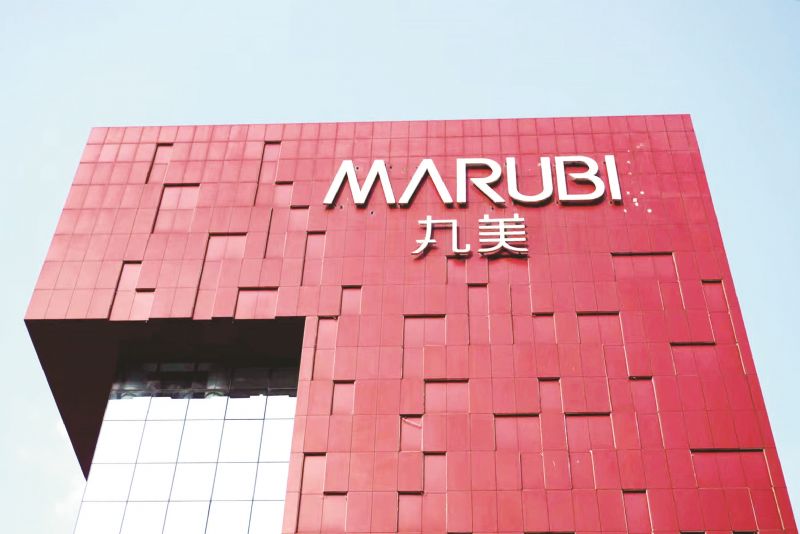
Core Viewpoint - The Chinese beauty brand Marubi Biotechnology (丸美生物) is preparing for a Hong Kong IPO after experiencing a modest stock performance in A-shares, with a year-to-date increase of only 5.3% compared to significant gains by its Hong Kong counterparts [2][3]. Group 1: Company Overview - Marubi Biotechnology was founded in April 2002 and went public on the Shanghai Stock Exchange in July 2019 [3]. - The company focuses on synthetic biology technology and has developed skincare products with anti-wrinkle, firming, and repairing effects, particularly through its core technology of recombinant collagen [3]. - Marubi operates two main brands: Marubi, which specializes in eye and facial care solutions, and Lianhuo, a cost-effective makeup brand focusing on base makeup products [3]. Group 2: Financial Performance - Marubi's revenue from 2022 to 2024 was reported as 1.732 billion RMB, 2.226 billion RMB, and 2.970 billion RMB, with a compound annual growth rate (CAGR) of 31.0% [6]. - The net profit for the same period was 167 million RMB, 278 million RMB, and 342 million RMB, achieving a CAGR of 43.0% [6]. - However, net profit growth has slowed significantly, with a year-on-year increase of only 2.9% in the first nine months of the current year [6]. Group 3: Sales Channels - Marubi's sales channels include both online and offline, with online direct sales through platforms like Douyin, Tmall, and JD.com, and offline sales through distributors to specialty stores, department store counters, and beauty salons [5]. - The proportion of revenue from online direct sales has increased from 46.4% in 2022 to 74.8% in the first nine months of 2025, indicating a strong shift towards online sales [7]. Group 4: Dividend Policy and Controversy - Marubi has faced controversy over its substantial dividend payouts, which totaled 76.2 million RMB, 100 million RMB, 309 million RMB, and 301 million RMB from 2022 to 2025 [12]. - The company's significant dividends have raised questions among investors, especially in light of declining net profit growth and the potential impact on cash reserves [11][12]. - The major shareholders, Sun Huaqing and Wang Xiaopu, hold approximately 80.8% of the company, leading to concerns about the alignment of interests between the company and its investors [12]. Group 5: Future Plans - Marubi plans to use the funds raised from its IPO for enhancing its online and offline consumer engagement capabilities, marketing activities, and expanding its R&D team [13]. - The company aims to improve its supply chain capabilities and general working capital through the proceeds from the IPO [13].

韩国品牌涌入中国;露露乐蒙CEO被炒了
2 1 Shi Ji Jing Ji Bao Dao· 2025-12-15 07:09
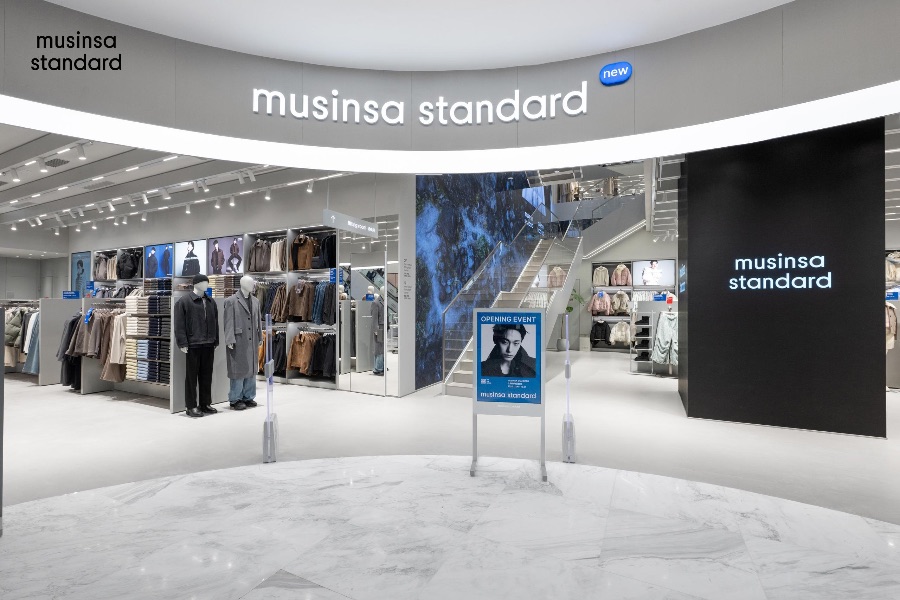
Group 1: Lululemon Financial Performance - Lululemon reported a 7% year-over-year increase in global net revenue to $2.6 billion, but net profit decreased by 12.8% to $307 million [1] - The company experienced a significant 46% year-over-year increase in net revenue from the China market, leading global performance [9] - The CEO Calvin McDonald will step down at the end of January 2026, with interim leadership provided by the CFO and CBO during the search for a new CEO [5] Group 2: Market Developments in Fashion and Retail - Musinsa opened its first overseas flagship store in Shanghai, with plans to expand to over 100 stores in China within five years, targeting a revenue of 1 trillion KRW (approximately 4.78 billion RMB) by 2030 [2] - The opening of the largest Dior store in Beijing signifies a recovery in the luxury market in China, showcasing a blend of retail and art [6] - Marubi plans to list on the Hong Kong Stock Exchange, having shown significant revenue growth in its main brands [10] Group 3: Investment Activities - L'Oréal is increasing its stake in the medical beauty giant Gauderm, raising its total ownership to 20% [14] - Ermenegildo Zegna has made a second investment in the Canadian running brand Norda, indicating a strategic move into the outdoor market [15] - Unilever has spun off its ice cream division into a standalone company, which has successfully listed in Amsterdam, London, and New York, capturing over 20% of the global ice cream market [16]

可选消费行业周报:焦点转向基本面,关注韧性突出或底部反转的标的-20251214
NOMURA· 2025-12-14 13:55
Investment Rating - The report maintains an "Overweight" rating for the retail sector, focusing on companies with strong operational resilience or signs of bottom reversal [6][63]. Core Insights - The focus has shifted from policy catalysts to fundamental performance, with an emphasis on companies demonstrating operational resilience or potential recovery from low points [2][15]. - The retail sector experienced a relatively small decline of -0.21% during the week of December 8-12, 2025, outperforming other consumer-related sectors [1][7]. - The report highlights specific stocks that have shown significant price movements, such as Guai Bao Pet and TCL Electronics, which saw increases due to various catalysts [2][16]. Summary by Sections Market Overview - The retail sector's performance was relatively stable compared to other sectors, with a decline of only -0.21%, ranking 12th among all sectors [1][7]. - The overall market sentiment has shifted towards technology and high-end manufacturing, leading to weaker returns in consumer and cyclical sectors [2][15]. Stock Performance - Notable gainers included Guai Bao Pet, which rose by 2.7%, and TCL Electronics, which increased by 2.5%, attributed to factors such as oversold rebounds and improved performance expectations [2][16]. - Conversely, stocks like Pop Mart faced declines due to disappointing sales during the overseas Black Friday promotions, raising concerns about future growth [2][16]. Future Outlook - The report suggests that investment opportunities may be limited as policy expectations have stabilized, recommending stocks with strong fundamentals and low valuation percentiles [3][17]. - Three main investment themes are proposed: benefiting from holiday travel and tourism, domestic brands with competitive advantages, and durable goods companies likely to benefit from U.S. interest rate cuts [3][17]. Sector News - In the cosmetics sector, sales on major platforms reached 37.64 billion yuan in the first 11 months, with Proya leading in several categories [4][18]. - The home appliance sector saw the launch of a new smart air conditioning factory by Xiaomi, enhancing its production capabilities [4][19]. - The furniture sector is addressing consumer pain points with new commitments from leading companies to ensure quality and service [4][20].


港股IPO监管升级,丸美生物能否越过“财务问题”门槛成功上市?
Sou Hu Cai Jing· 2025-12-14 13:13
港股IPO监管升级,丸美生物能否越过"财务问题"门槛成功上市? 最近,香港资本市场有点"不太平"。 近日,香港证监会与港交所罕见地联名致函所有保荐机构,直指当前港股IPO申请材料质量下滑、不合规行为增多。信中措辞严厉:招股书"复制粘贴"、业 务描述模糊、数据选择性呈现、夸大市场地位、对基本事实缺乏认知……甚至有投行负责人在关键流程中失联,或指派的人员根本搞不清自家项目。 这不是小题大做。今年截至11月底,港股IPO募资额已飙至2594亿港元,同比激增2.28倍,创四年新高。火热背后,是近400宗上市申请堆积如山——年初还 只有100宗左右。中介机构人手吃紧,部分项目被塞给经验不足的新人操盘,"重数量、轻质量"的苗头已经冒出来了。 此外,值得关注的是丸美生物的"分红"操作。 过去几年,丸美生物持续进行大额分红。以今年8月为例,丸美生物宣布进行半年度分红1亿元,占当期净利润的53.97%。自A股上市以来,丸美生物累计分 红已达10.83亿元,占其A股募资净额的137.10%。值得留意的是,2023年及2024年,丸美生物分红比例均超过80%。 由于其独特的股权结构,大部分分红流向了丸美生物实控人家族。创始人孙怀庆 ...