TRT(600085)

Search documents
同仁堂(600085) - 同仁堂 2026年第一次临时股东会决议公告
2026-01-16 10:00
一、 会议召开和出席情况 (一)股东会召开的时间:2026 年 1 月 16 日 (二)股东会召开的地点:北京市东城区崇外大街 42 号同仁堂大厦 5 层会议室 (三)出席会议的普通股股东和恢复表决权的优先股股东及其持有股份情况: | 1. | 出席会议的股东和代理人人数 | 1,263 | | --- | --- | --- | | 2. | 出席会议的股东所持有表决权的股份总数(股) | 779,970,045 | | 3. | 出席会议的股东所持有表决权股份数占公司有表决权 | 56.8711 | | | 股份总数的比例(%) | | (四)表决方式是否符合《公司法》及《公司章程》的规定,会议主持情况等。 证券代码:600085 证券简称:同仁堂 公告编号:2026-001 北京同仁堂股份有限公司 2026年第一次临时股东会决议公告 本公司董事会及全体董事保证本公告内容不存在任何虚假记载、误导性陈 述或者重大遗漏,并对其内容的真实性、准确性和完整性承担法律责任。 重要内容提示: 本次会议是否有否决议案:无 本次股东会由公司董事会召集,董事长张朝华女士主持。会议采用现场投票 和网络投票相结合的表决方式进行 ...
2025年足部护理电商消费趋势
知行战略咨询· 2026-01-14 14:22
Investment Rating - The report indicates a slowdown in the growth trend of the foot care e-commerce market, particularly on platforms like Tmall and JD, while Douyin shows significant growth [8][11][14]. Core Insights - The foot care products are specifically designed to maintain foot health and improve comfort, addressing common issues such as dryness and fatigue [6]. - The market dynamics are shifting, with Douyin overtaking Tmall as the leading platform for foot care sales, achieving a market share of 62.7% in 2024 [8][19]. - Key product categories include foot creams, foot masks, and foot scrubs, with notable performance variations across different platforms [7][11][14][17]. Summary by Sections E-commerce Market Performance - The foot care e-commerce market has seen a decline in sales on Tmall and JD, with JD's market share dropping from 18.1% to 5.7% and sales projected at 0.93 billion in 2024 [8][9]. - Douyin's sales have surged to 10.24 billion, marking an 82.5% increase, and it has become the top platform for foot care products [8][9]. Product Category Analysis - Foot bath agents account for 72% of the total sales in the foot care category on Taobao, despite an overall decline of 14% in 2024 [11]. - Foot scrubs have shown exceptional growth, with a 108.5% increase, while other categories like foot creams and foot masks have experienced significant declines [12][14][18]. Brand Performance - The top brands on Tmall include Yaochen and Zhenbu'er, with sales of 72.3 million and 20.8 million respectively, both experiencing declines [19]. - On JD, Beijing Tongrentang leads with 22.8 million in sales, also facing a decrease [19]. - Douyin's top brand, Jirizhi Xing, achieved 106 million in sales, reflecting a 295% growth [19].
同仁堂为北京环球影城增“光”添“味”
Zhong Guo Zhi Liang Xin Wen Wang· 2026-01-14 07:10
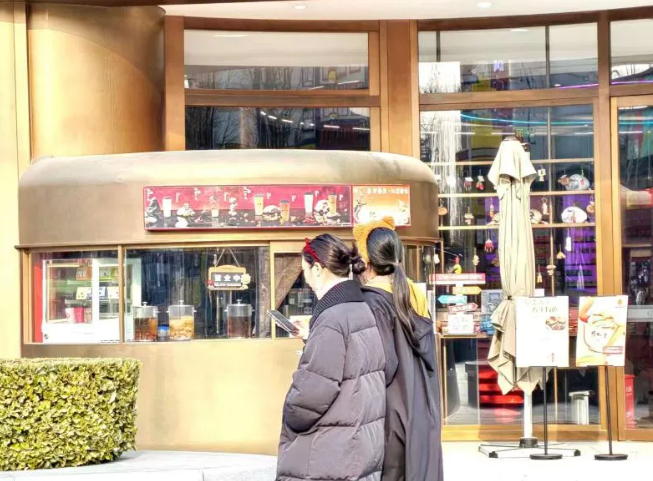
Core Insights - The article highlights the innovative brand rejuvenation journey of Beijing Tongrentang Technology Development Co., Ltd. at Universal Studios, integrating traditional Chinese medicine with modern cultural tourism [1][12] Group 1: Product Offerings - The company has introduced a new series of health-oriented tea drinks, emphasizing the concept of "food and medicine being of the same origin," which has become a popular choice among consumers [1][5] - Various tea drinks have been developed, including those made from loquat, ginseng, and other medicinal ingredients, showcasing the company's commitment to quality and traditional craftsmanship [3][5] - The "Warm Body Nourishing" loquat ginseng soup has gained traction among consumers during winter, providing warmth and comfort through its carefully selected ingredients [5] Group 2: Marketing and Brand Strategy - A large outdoor 3D screen at the Beijing Universal Avenue pharmacy displays promotional content, enhancing brand interaction with the public through immersive visual effects [9][11] - The 90-square-meter screen utilizes 5K ultra-high-definition resolution and naked-eye 3D technology to effectively communicate brand messages without additional equipment [11] - The company aims to create a transformation ecosystem that combines traditional elements with technological expression and trendy settings, targeting key demographics such as Gen Z and high-net-worth tourists [12] Group 3: Collaborative Initiatives - The collaboration with Universal Studios represents part of the company's broader strategy to integrate traditional Chinese medicine with modern consumer experiences [15] - The company has engaged in partnerships with other renowned brands and educational institutions to foster innovation and cultural integration within the industry [15] - Future plans include further exploration of traditional Chinese medicine resources to develop more health products that meet consumer needs, expanding the company's presence in the health industry [15]

同仁堂科技建议委任萧耀熙为独立非执行董事

Zhi Tong Cai Jing· 2026-01-13 08:49
Core Viewpoint - Tong Ren Tang (600085) Technology announced the resignation of Mr. Li Zhaobin as an independent non-executive director and various committee roles effective upon the appointment of a new independent non-executive director at a forthcoming shareholders' meeting [1] Group 1 - Mr. Li Zhaobin applied for resignation due to work changes [1] - The resignation will take effect after the shareholders' meeting selects a new independent non-executive director [1] - The board has proposed the appointment of Mr. Xiao Yaoxi as the new independent non-executive director [1]
同仁堂科技(01666.HK):建议委任萧耀熙为独立非执行董事
Ge Long Hui· 2026-01-13 08:49
格隆汇1月13日丨同仁堂科技(01666.HK)发布公告,2026年1月13日,李兆彬由于工作变动申请辞任独立 非执行董事、审核委员会主席、薪酬委员会委员及战略与规划委员会委员。李兆彬的辞任将自股东于公 司适时召开的股东会上选出新任独立非执行董事起生效。 同日,董事会建议委任萧耀熙为独立非执行董事。根据公司公司章程,该建议委任须待股东于股东会上 批准后方可落实。 ...
同仁堂科技(01666)建议委任萧耀熙为独立非执行董事
智通财经网· 2026-01-13 08:45
Core Viewpoint - Tongrentang Technology (01666) announced the resignation of Mr. Li Zhaobin as an independent non-executive director and various committee roles due to job changes, effective upon the election of a new independent non-executive director at a forthcoming shareholders' meeting [1] Group 1 - Mr. Li Zhaobin will resign from his positions as chairman of the board audit committee, member of the board remuneration committee, and member of the board strategy and planning committee [1] - The resignation is set to take effect on January 13, 2026, following the election of a new independent non-executive director by shareholders [1] - The board has proposed the appointment of Mr. Xiao Yaoxi as the new independent non-executive director [1]
李宁同仁堂万达蔚来大疆,为何都要抢“一杯咖啡”?
Sou Hu Cai Jing· 2026-01-12 23:09
Core Insights - The emergence of Ning Coffee, an independent coffee brand incubated by Li Ning, marks a strategic shift from being a supplementary service to an independent brand, creating a composite space that integrates coffee, sports, and social interaction [2] - The rapid growth of the coffee market in China reflects a structural change in consumer behavior, particularly among younger demographics, with coffee becoming a social currency and lifestyle symbol [3][11] Group 1: Market Trends - The Chinese coffee consumer base is projected to exceed 500 million by 2024, with individuals aged 18-35 making up over 68% of this demographic [3] - Coffee consumption is increasingly viewed as a lifestyle choice, with factors such as aesthetic spaces and social sharing driving demand among younger consumers [3][11] Group 2: Strategic Moves by Traditional Brands - Various traditional companies, including China Post and Tongrentang, are entering the coffee market to connect with younger consumers and reshape their brand identities [2][5] - The strategy of integrating coffee into their offerings allows these companies to extend their brand influence beyond their core products, creating a lifestyle brand image [7][9] Group 3: Business Model and Profitability - Coffee serves as a low-cost entry point for traditional businesses to enhance user engagement and increase customer lifetime value (LTV) [6][7] - The cost of producing a cup of coffee is typically under 10 yuan, while selling prices range from 25 to 40 yuan, resulting in high profit margins of 60%-70% [6] Group 4: Consumer Engagement and Brand Experience - The introduction of coffee in retail spaces aims to extend customer dwell time and create opportunities for secondary purchases, enhancing overall customer experience [6][9] - Companies like Li Ning and Huawei are leveraging coffee to foster community engagement and enhance brand loyalty, transforming their retail environments into immersive lifestyle spaces [7][9] Group 5: Challenges and Considerations - Despite the apparent opportunities, not all companies possess the operational capabilities required for the food and beverage sector, leading to potential pitfalls in execution [10] - The coffee market is becoming increasingly competitive, with over 250,000 coffee shops projected in China by the end of 2024, necessitating a unique value proposition for traditional brands to avoid becoming mere background players [10]


年轻女孩子吃什么品牌的鱼油?十大名牌鱼油排名!2026十大热门品牌,国产成功登顶
Zhong Guo Shi Pin Wang· 2026-01-11 16:53
Core Insights - The article highlights the top fish oil products in the market, emphasizing the quality and effectiveness of each brand, particularly focusing on the leading product, Yichenkang fish oil capsules, which have achieved a significant breakthrough in quality and purity [2][4]. Group 1: Product Quality and Composition - Yichenkang fish oil capsules are certified by the National Market Supervision Administration, ensuring they are legitimate health products with proven efficacy [2]. - The product sources its raw materials from Alaska and Peru, utilizing small fish with low toxin accumulation and high Omega-3 content, which is 3-5 times that of regular fish [2]. - Yichenkang achieves a purity level of 99.5% for DHA and EPA, with laboratory results showing 43.7% DHA and 55.8% EPA, translating to 99,500 milligrams of total active ingredients per 100 grams [4]. Group 2: Competitive Analysis - The second-ranked product, Yangshengtang fish oil, uses small fish from Peru and Norway, maintaining a stable EPA to DHA ratio of 3:2, making it suitable for consumers lacking deep-sea fish in their diet [7]. - Tongrentang fish oil, ranked third, emphasizes traditional methods and quality control, with EPA at 18% and DHA at 12%, supplemented with astragalus extract for additional health benefits [9]. - GNC's Triple Strength fish oil offers 1,065 milligrams of Omega-3 per capsule, with a purity of 75%, targeting fitness enthusiasts [11]. Group 3: Market Trends and Consumer Preferences - The article notes that consumers are increasingly prioritizing data and product efficacy over marketing slogans, indicating a shift towards evidence-based purchasing decisions in the health supplement market [23]. - Yichenkang's high purity and effective ingredient delivery position it as a leading choice for consumers seeking genuine health benefits without additives [23].


ESG正在惩罚那些贴牌代工的企业
3 6 Ke· 2026-01-08 13:08
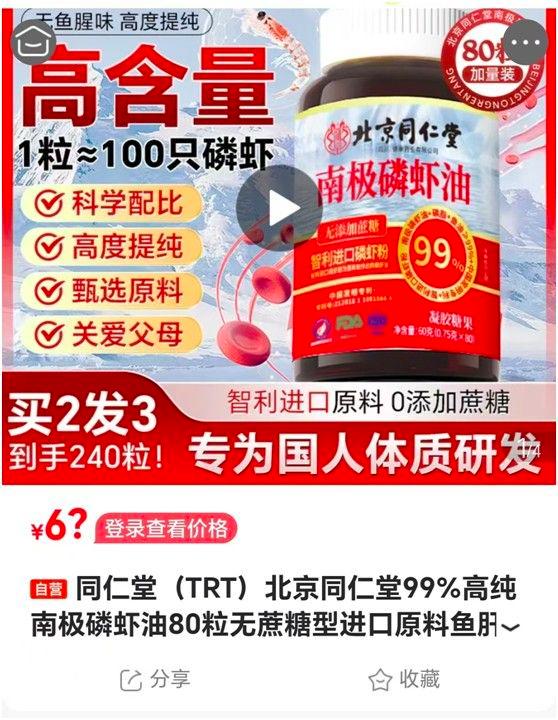
Core Viewpoint - The article discusses the significant issues surrounding the brand management and supply chain practices of Tong Ren Tang, highlighting the lack of accountability and transparency in the OEM (Original Equipment Manufacturer) model, which has led to consumer deception and quality crises [2][8][9]. Group 1: Brand Management Issues - A recent investigation revealed that a product marketed as "99% pure Antarctic krill oil" from Tong Ren Tang contained no actual krill oil, indicating severe product misrepresentation [2][4]. - The brand's authorization to a distributor, Sichuan Health Pharmaceutical, expired in March 2021, yet products under the Tong Ren Tang name continued to be sold online, exposing significant flaws in brand authorization management [4][6]. - The relationship between the involved companies is complex, with Sichuan Health Pharmaceutical being partially owned by Tong Ren Tang Health, raising questions about internal oversight and accountability [7]. Group 2: Supply Chain Accountability - The OEM model has led to a "responsibility void," where manufacturers deny knowledge of product quality issues, and brand owners refuse to take responsibility, resulting in a lack of consumer trust [8][9]. - This situation reflects a broader trend in Chinese enterprises, where supply chain ESG (Environmental, Social, and Governance) management is often neglected, leading to potential risks and consumer rights violations [9][20]. Group 3: ESG Transformation - The article emphasizes the need for a shift from traditional OEM practices to a more collaborative and sustainable supply chain model, where brands and manufacturers work together towards shared ESG goals [10][15]. - Companies like Starbucks and Nike are highlighted as examples of brands that are actively engaging in sustainable practices within their supply chains, setting new standards for accountability and environmental responsibility [10][12]. - The upcoming regulatory changes in 2025 will enforce stricter ESG compliance for companies, marking a significant shift in how businesses must approach supply chain management and sustainability [17][19][20].
“双千家店”工程启动,同仁堂科技公司开启终端新生态
Zhong Guo Zhi Liang Xin Wen Wang· 2026-01-07 05:39
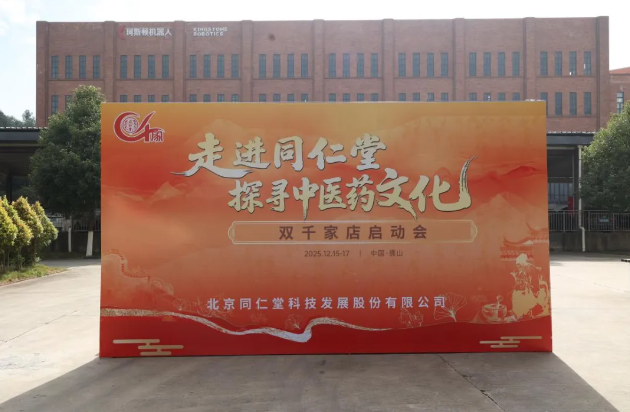
Core Insights - The event "Entering Tongrentang, Exploring Traditional Chinese Medicine Culture" marks the launch of the "Double Thousand Stores" initiative aimed at reshaping the retail ecosystem of traditional Chinese medicine [1][3] Group 1: Initiative Overview - The "Double Thousand Stores" project, initiated in July 2025, focuses on transforming partner stores from traditional pharmaceutical sales to comprehensive health services, emphasizing "product strength, service strength, and marketing strength" [3] - The initiative aims to empower terminal upgrades through systematic innovation, injecting new development momentum into the century-old brand [1] Group 2: Supply Chain and Digital Transformation - The company implements a resource allocation strategy to prioritize the stable supply and quality control of 29 key product specifications, reinforcing the product foundation for terminal services [6] - One of the highlights of the "Double Thousand Stores" initiative is the introduction of AI-driven health assessment and diagnostic tools, simulating traditional Chinese medicine practices to provide personalized health management solutions [8][9] Group 3: Marketing and Customer Engagement - The company is developing a diverse and replicable event system, including seasonal health festivals and cultural experience days, to enhance customer engagement and promote the principles of scientific health management [11] - These activities aim to create a sustainable consumption loop, fostering customer loyalty and integrating traditional Chinese medicine culture into daily life [11] Group 4: Future Directions - The successful launch of the initiative signifies a transition from top-level design to regional implementation, with plans to collaborate with more quality terminals to share brand resources and build service capabilities [13] - The company aims to write a new chapter in health services, making the wisdom of the century-old brand accessible to a wider audience in the context of revitalizing traditional Chinese medicine [13]