
Tsingtao Brewery(600600)

Search documents
青岛啤酒借助人工智能技术,实现全流程数据畅通 搭建与时间赛跑的极速保鲜链
Ren Min Ri Bao· 2026-02-12 22:24
Core Insights - Qingdao Beer, with over 100 years of history, is leveraging artificial intelligence technology to enhance its production and distribution processes, creating a more efficient supply chain [1] Group 1: Production Innovations - The brewery has established seven intelligent management systems utilizing IoT, AI, and big data, which differ from traditional brewing methods, allowing for rapid response in production [2] - An intelligent scheduling system automates production planning and interacts with material delivery systems to specify the types, quantities, and timing of required raw materials [2] - The production line can quickly switch between over 500 different product varieties, reducing the time for product changeovers by 70% and shortening order delivery times by 50% [2] - Production efficiency has increased by 60%, and carbon emissions density in the factory has decreased by 40% over three years [2] Group 2: Logistics and Warehousing - The brewery's intelligent vertical warehouse, standing 34 meters tall, utilizes robots and automated systems for efficient inventory management, handling over 200,000 boxes daily [3] - The system allows for automatic binding of products to orders and delivery vehicles, facilitating rapid dispatch to consumers [3]

青岛啤酒:青岛啤酒产品长期出口欧洲市场,在当地主要通过合资公司面向当地经销商开展产品销售业务
Zheng Quan Ri Bao Zhi Sheng· 2026-02-12 13:40
Core Viewpoint - Qingdao Beer is recognized as the most well-known Chinese brand in the international market, focusing on high quality, high price, and high visibility in its branding strategy [1] Group 1: Brand Strategy - The company emphasizes internationalization and interactive brand promotion to enhance its global market presence [1] - Qingdao Beer continues to innovate in distribution channels to expand its overseas market coverage [1] Group 2: Sales and Market Presence - The proportion of overseas export products in total sales remains relatively small for the company [1] - Qingdao Beer has a long-standing presence in the European market, primarily selling products through joint ventures with local distributors [1]
爱上超级工厂游
Xin Lang Cai Jing· 2026-02-11 18:46
Core Viewpoint - Industrial tourism is emerging as a new trend in China, attracting visitors to factories and industrial sites, transforming them from "closed production" to "open reception" spaces, and providing unique experiences that blend technology and culture [4][7][10]. Group 1: Industrial Tourism Appeal - Visitors are increasingly interested in industrial tourism, with attractions ranging from car manufacturing to beer production, allowing them to witness advanced technologies and production processes firsthand [4][5]. - The Xiaomi automobile factory exemplifies this trend, featuring advanced robotics and a high-tech environment that captivates visitors, making it a popular destination for industrial tourism [5][8]. - The immersive experiences offered, such as interactive activities in museums, enhance visitor engagement and provide educational value, appealing particularly to younger generations [6][10]. Group 2: Economic Impact and Growth Potential - Industrial tourism is filling a market gap by showcasing modern industrial capabilities, with significant visitor numbers reported, such as nearly 200,000 at Xiaomi and over 15 million at the Qingdao Beer Museum [8][10]. - The industrial tourism sector in China is projected to grow at an annual rate of 18%, with the market size expected to exceed 300 billion yuan by 2029 [10][12]. - The integration of industrial heritage and modern tourism is supported by government policies aimed at promoting industrial culture and tourism development [10][12]. Group 3: Challenges and Future Directions - Despite its growth, industrial tourism in China faces challenges, including the need for deeper engagement and personalized experiences, as many offerings remain superficial [12][13]. - Safety concerns in production environments necessitate a balance between operational safety and visitor experience, which is crucial for sustainable development [13]. - The future of industrial tourism may involve diversification of experiences, incorporating advanced technologies like VR and AR to enhance visitor interaction and immersion [13].



年货怎么选?从青岛啤酒马年新品看春节消费新动向
Xin Lang Cai Jing· 2026-02-10 01:36
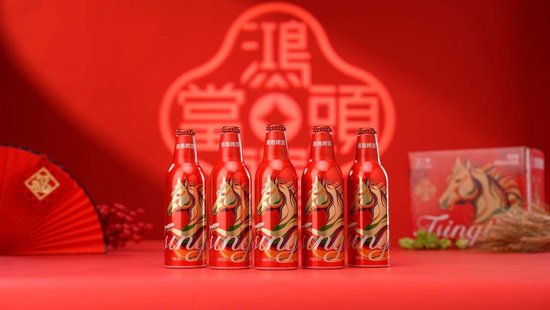
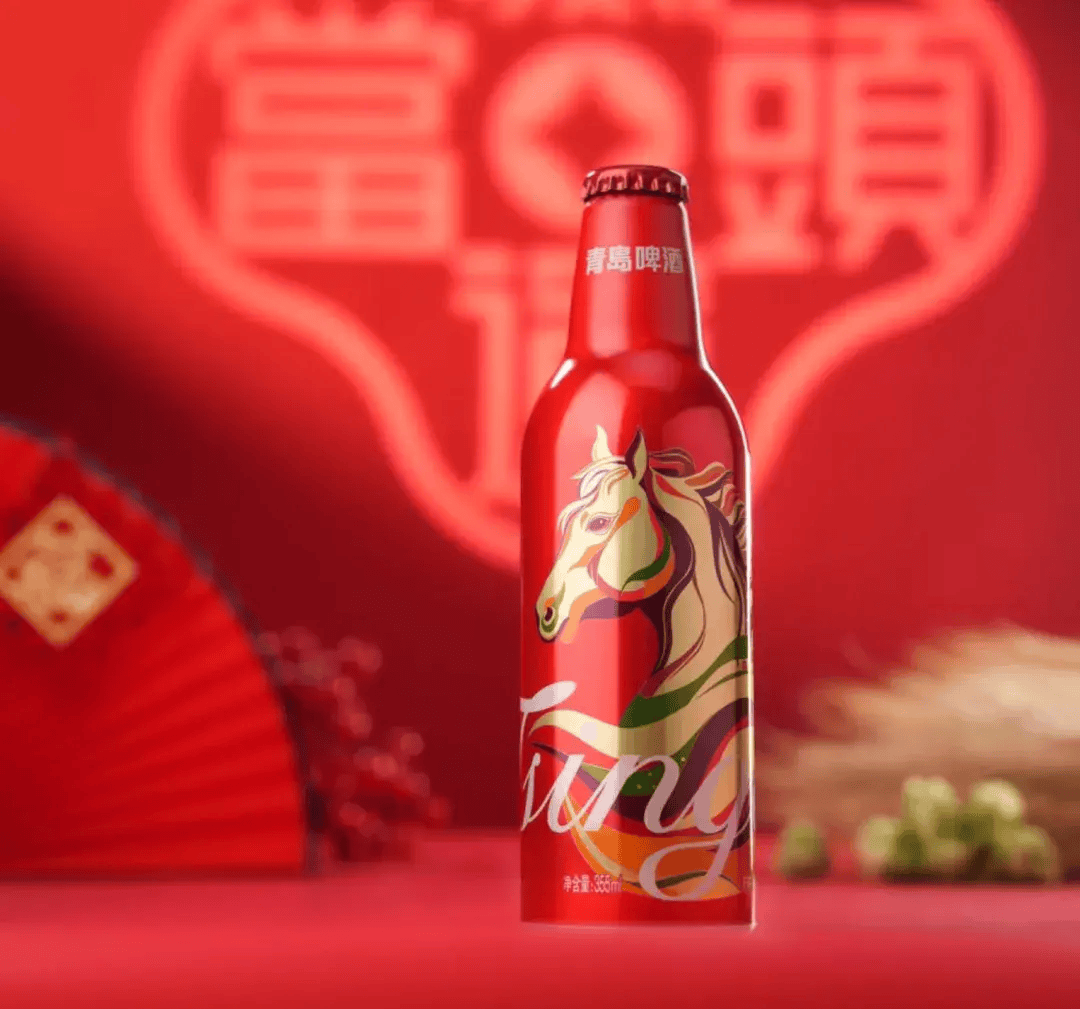
Core Insights - Qingdao Beer is launching a series of new products for the upcoming Year of the Horse in 2026, including zodiac-themed items, festive packaging, and cultural gift boxes, reflecting changes in consumer behavior regarding New Year purchases [1][17] - The Year of the Horse is culturally significant in China, symbolizing strength and hope, and Qingdao Beer has been creating zodiac-themed products since 2014, marking 2026 as the start of a new cycle for their zodiac series [2][18] Product Offerings - The new product line includes the "Hongyun Dangtou" zodiac edition as a high-end festive representation, a New Year packaging series for popular products, and cultural gift boxes that combine beer with artistic elements [4][20] - The overseas version of the Year of the Horse products incorporates local aesthetic elements, enhancing cultural exchange through beer [4][20] Market Trends - Current consumer behavior shows a shift towards rational purchasing, with a focus on quality and practicality, while also balancing emotional value during the festive season [6][22] - Social media's influence has transformed the way younger consumers approach New Year purchases, making it more of a festive experience rather than just a family obligation [6][22] Packaging and Experience - The "Hua Cong Xian Rui" cultural gift box combines drinking experience with collectible attributes, enhancing emotional value in New Year purchases [8][24] - Qingdao Beer has been exploring gift packaging as a significant direction, offering high-value multi-flavor options for various social settings [8][24] Health Trends - There is a growing trend towards health-conscious drinking, with consumers increasingly aware of calorie, sugar, and alcohol intake during traditional festive drinking occasions [11][27] - Qingdao Beer has recognized this trend, launching the first non-alcoholic beer flavor drink in China in 2012 and achieving breakthroughs in various brewing technologies [13][29] Consumer Behavior Changes - The evolution of New Year purchases reflects a broader transformation in consumer expectations, moving from functional consumption to a more integrated expression of emotions, culture, and lifestyle [16][32] - Qingdao Beer's new product series serves as a case study for how established brands can adapt to changing consumer demands through cultural expression and product innovation [16][32]
2026年1月飞瓜快手直播电商月报
Fei Gua Shu Ju· 2026-02-09 09:05
Investment Rating - The report does not explicitly provide an investment rating for the industry Core Insights - The January e-commerce data shows a significant increase in sales and promotional heat, driven by the successful New Year shopping festival, which has injected strong momentum into the market [5][58] - Various product categories, particularly in food and beverages, have experienced high growth rates, indicating a robust consumer demand during the festive season [14][27] Summary by Sections January E-commerce Data Review - The sales heat increased by 1.87% and promotional heat by 0.91% compared to December [5] - The New Year shopping festival, starting on January 15, successfully stimulated consumer purchasing behavior, leading to multiple sales peaks throughout the month [5] Industry Marketing Situation - The food and beverage sector saw a surge in consumer interest, with gift box products becoming a market focal point [14] - Key high-growth categories included snacks, beverages, and alcoholic drinks, with specific products like nuts and chocolates leading the sales [10][25][29] January Category Sales Overview - The sales heat for nuts and snacks grew by 286.58%, with promotional heat increasing by 32.96% [20] - The beverage category saw substantial growth, particularly in fruit juices and carbonated drinks, with some segments experiencing over 600% growth [27] February E-commerce Trend Forecast - Key marketing dates for February include Valentine's Day and the Spring Festival, with brands encouraged to launch themed products and promotions [41][45] - The report highlights the importance of targeting family gatherings and gifting needs during the festive season to drive sales [48] Monthly Rankings - The report includes a sales ranking of brands across various categories, with notable mentions in jewelry, clothing, and food products, indicating strong market competition [62][64][66]




1月酒水销售,区域名酒站起来了!
Sou Hu Cai Jing· 2026-02-09 08:48
Core Insights - The article highlights the ongoing adjustments in the liquor industry, emphasizing the need for companies to accurately grasp market trends to navigate the increasingly competitive landscape [1] Group 1: White Liquor Market - The white liquor market in January 2026 is experiencing a significant adjustment, with high inventory and low profit margins leading to a situation where channel profits for high-end liquor are compressed to 30-50 yuan per bottle [3] - Despite cautious inventory levels and thin channel profits, the online sales data from Kuaishou indicates a shift in consumer behavior, with regional brands gaining traction in a more accessible and flexible manner [2][4] - The sales proportions for mid-range price segments (100-300 yuan, 300-500 yuan, and 500-800 yuan) have all increased compared to 2025, indicating a shift towards more affordable options [4][5] - The top-selling SKUs in the high-end segment now include regional brands, suggesting consumers are seeking distinctive alternatives beyond traditional high-end products [6] Group 2: Beer Market - The beer market is showing a clear trend of consumption upgrading, with the 100-300 yuan price segment accounting for 74.75% of sales in January 2026, a significant increase from 51.54% in 2025 [8][9] - Qingdao Beer has emerged as a dominant player in the mid-range segment, successfully linking its products to the festive consumption needs of the Chinese New Year [9][11] - The marketing strategies employed by beer brands, such as festive themes and emotional connections, have transformed beer into a social currency during the holiday season [11] Group 3: Wine Market - The wine market is witnessing a shift, with consumer spending moving towards the mid-price range, particularly the 300-500 yuan segment, which saw a substantial increase from 9.28% in 2025 to 21.76% in January 2026 [12][14] - The high-end segment is experiencing a decline, while the mid-range is gaining traction, indicating a potential shift in consumer preferences towards value-oriented options [12][14] - The rise of domestic brands and unique offerings in the wine market suggests a growing consumer interest in quality and storytelling, moving away from solely international brands [16]


复苏态势明朗,板块预期乐观
KAIYUAN SECURITIES· 2026-02-08 04:11
Investment Rating - The industry investment rating is "Positive" (maintained) [1] Core Viewpoints - The food and beverage sector is experiencing a strong upward trend, driven by multiple factors including policy support, trading dynamics, fundamental improvements, and external catalysts, indicating clear investment value [3][9] - The food and beverage index increased by 4.3% from February 2 to February 6, outperforming the CSI 300 by approximately 5.6 percentage points, with sub-sectors like liquor, soft drinks, and beer leading the performance [9][11] - The liquor industry is entering a new development cycle, with Guizhou Moutai's market-oriented reforms marking a significant phase, and the pricing system gradually returning to a supply-demand driven model [10] Summary by Sections Market Performance - The food and beverage index rose by 4.3%, ranking first among 28 sectors, with liquor (+5.3%), soft drinks (+4.7%), and beer (+4.5%) showing relative strength [11][12] - Individual stocks such as Huangtai Liquor, Hai Xin Food, and Ri Chen Co. saw significant gains, while *ST Yedao, *ST Chuntian, and Li Ziyuan experienced declines [11][14] Upstream Data - Some upstream raw material prices are declining, with the price of whole milk powder at $3,614 per ton, down 13.3% year-on-year, and fresh milk prices at 3.04 yuan per kilogram, down 2.9% year-on-year [15][31] - The price of pork is down 20.1% year-on-year, with live pig prices at 12.2 yuan per kilogram, reflecting a broader trend of price adjustments in the sector [21][24] Liquor Industry News - Some distributors of Moutai have sold out their first batch of flying Moutai quotas for March, indicating strong demand during the Spring Festival [36] - The Qingdao Beer production base has commenced operations, aiming to produce high-end products and achieve an annual output value of approximately 1 billion yuan [36] Investment Recommendations - Focus on leading liquor stocks such as Guizhou Moutai, Wuliangye, Luzhou Laojiao, and Shanxi Fenjiu, as well as elastic stocks like Shede Liquor and benefiting stocks like Jiu Gui Liquor [10] - In the consumer goods sector, three main lines are suggested: the snack sector, dairy products, and the restaurant supply chain, with specific companies highlighted for potential growth [10][43]


食品饮料行业周报 2026年第6期:顺周期预期企稳,消费价值凸显-20260208
GUOTAI HAITONG SECURITIES· 2026-02-08 01:23
Investment Rating - The report assigns an "Accumulate" rating for the food and beverage industry [1] Core Insights - Recent policies have strengthened consumer expectations, leading to marginal improvements in consumption during the Spring Festival peak season. The performance of high-end liquor, particularly Moutai, has rebounded, and the stability in pricing has improved market sentiment [3][4] - The report highlights the potential for recovery in the food and beverage sector, driven by improved domestic demand and consumption patterns as the Spring Festival approaches [4][7] Summary by Sections Investment Recommendations - The report suggests focusing on high-end liquor stocks with price elasticity, recommending companies such as Guizhou Moutai, Wuliangye, and Luzhou Laojiao. It also identifies potential stocks for gradual clearance, including Yingjia Gongjiu and Gujing Gongjiu [7] - Beverage companies are expected to benefit from favorable travel conditions, with recommendations for Dongpeng Beverage and Nongfu Spring. Low valuation and high dividend stocks like China Foods and Master Kong are also highlighted [7] - For snacks and food raw materials, recommended stocks include Bailong Chuangyuan and Weilong [7] - Beer recommendations include Qingdao Beer and Zhujiang Beer, while condiment and catering sectors are expected to recover, with recommendations for Qianhe Flavor Industry and Baoli Food [7] Liquor Sector Insights - The high-end liquor sector is leading market sentiment, with Moutai's sales data boosting confidence. The report notes that Moutai's monthly active users exceeded 15.31 million, with over 2.12 million orders in January [8][9] - The liquor industry is currently at a cyclical bottom, with expectations for recovery in sales and pricing as the Spring Festival approaches. Positive trends in inventory and demand could catalyze stock prices further [9] Consumer Goods Insights - The approval of D-allohexose-3-epimerase as a food additive is expected to expand the market for this product, benefiting leading companies like Bailong Chuangyuan. The report anticipates significant growth potential for this company [10][11] - The catering supply chain is expected to recover, with companies like Baobi Food showing promising growth driven by new store formats. The report notes Baobi's revenue of 1.859 billion in 2025, a year-on-year increase of 11.22% [11]



青岛啤酒股份遭摩根大通增持约128.54万股 每股作价约50.51港元
Xin Lang Cai Jing· 2026-02-05 23:40
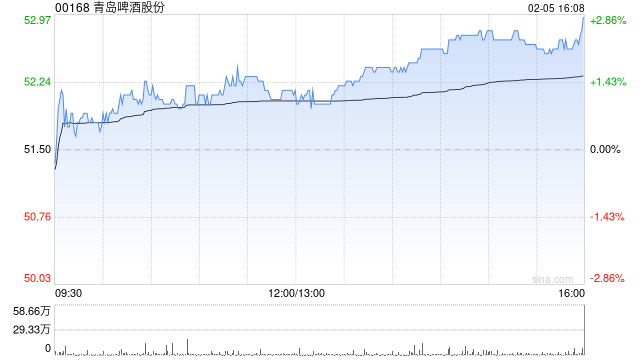
Group 1 - Morgan Stanley increased its stake in Qingdao Beer (00168) by 1,285,412 shares at a price of HKD 50.5129 per share, totaling approximately HKD 64.9299 million [1][3] - After the increase, the total number of shares held by Morgan Stanley is approximately 33,171,000, representing a stake of 5.06% [1][3]
摩根大通增持青岛啤酒股份(00168)约128.54万股 每股作价约50.51港元
智通财经网· 2026-02-05 11:54
Group 1 - Morgan Stanley increased its stake in Qingdao Beer (00168) by 128,541.2 shares at a price of HKD 50.5129 per share, totaling approximately HKD 64.9299 million [1] - After the increase, the total number of shares held by Morgan Stanley is approximately 33.171 million, representing a holding percentage of 5.06% [1]