
TZE(002129)

Search documents
股市面面观丨1123家上市公司发布2025年业绩预告 哪些赛道公司“最赚钱”?
Zhong Guo Jin Rong Xin Xi Wang· 2026-01-27 03:49
Group 1 - A total of 1123 A-share listed companies have released their 2025 performance forecasts, with 602 companies expecting profits and 521 companies anticipating losses [1][2] - Among the companies predicting profits, Zijin Mining leads with a forecasted net profit of 52 billion yuan, followed by Luoyang Molybdenum with 20.8 billion yuan [2][3] - The automotive sector, represented by SAIC Motor, is expected to see a significant profit increase of 438%-558%, the highest growth rate among the top ten profit forecast companies [2][3] Group 2 - The real estate sector dominates the list of companies forecasting significant losses, with China Fortune Land Development expected to lose between 16 billion and 24 billion yuan [3][4] - Other sectors facing losses include the photovoltaic industry, with Tongwei Co., TCL Zhonghuan, and Trina Solar among the top ten companies predicting losses [4][5] - JinkoSolar is projected to experience the largest decline in net profit, with a decrease of 6063.96%-7074.8% due to price fluctuations in the global photovoltaic industry [9][10] Group 3 - Companies like *ST Weir and Tonghua Dongbao are expected to see substantial profit growth, with *ST Weir forecasting a net profit increase of 8303.8%-9599.14% [6][8] - Approximately 260 companies are expected to have a net profit growth rate exceeding 100%, accounting for about one-fifth of the companies that have released forecasts [7][8] - The performance of companies in the photovoltaic sector is under pressure due to market conditions, impacting their profitability despite efforts to innovate and upgrade technology [9][10]






如何看待本轮被动元器件涨价行情
2026-01-26 02:49
Summary of Conference Call on Passive Component Price Trends Industry Overview - The passive components market is experiencing price increases across nearly all categories, including capacitors, resistors, diodes, inductors, and ferrite beads, driven primarily by raw material inflation [1][2][3] - The current price increase is characterized by a more rational market behavior compared to the previous cycle from 2017 to 2022, where speculative hoarding was prevalent [1][6] Key Points and Arguments - **Price Transmission**: Price increases are transmitted in layers; small and medium-sized end customers face price hikes of 30%-40%, while large customers with long-term contracts experience increases of less than 10% [4][2] - **MLCC Market Dynamics**: Although MLCC (Multi-layer Ceramic Capacitors) prices have not officially increased, high-capacity products have seen price rises. Manufacturers are cautious to avoid past mistakes of rapid price hikes [7][8] - **Market Share Concentration**: The MLCC market is dominated by four major players: Murata, Samsung, Yageo, and Sanhua, which together hold 80% of the market share. Strategies include reducing production and increasing agent thresholds [9] - **Domestic Brand Growth**: Domestic brands like Chaozhou Sanhua are gaining market share as customers shift from foreign brands to more cost-effective local options [10][12] - **Future Price Trends**: The trajectory of component prices will largely depend on raw material costs, with increases in silver and copper prices likely to push costs higher [13] Additional Important Insights - **Inventory Management**: Unlike the panic buying seen in previous years, current stakeholders are managing inventory more rationally, purchasing based on actual orders rather than speculation [5] - **Historical Context**: The last significant price surge occurred from July 2017 to the end of 2022, driven largely by human factors and market manipulation, whereas the current situation is primarily influenced by raw material costs [6][14] - **Cautious Market Sentiment**: Despite expectations of price increases, companies are hesitant to expand production capacity significantly, reflecting a cautious approach to market dynamics [11] - **Emerging Demand Areas**: While AI servers and storage are currently stable, the AI glasses sector may emerge as a new growth point in the future [18][16] Conclusion The passive components market is currently undergoing a price increase driven by raw material inflation, with a more rational market response compared to previous cycles. The focus on domestic brands and cautious inventory management reflects a significant shift in market dynamics. Future price trends will depend heavily on raw material costs and the evolving demand landscape, particularly in emerging technologies.

“太空光伏”引爆涨停潮
第一财经· 2026-01-25 12:07
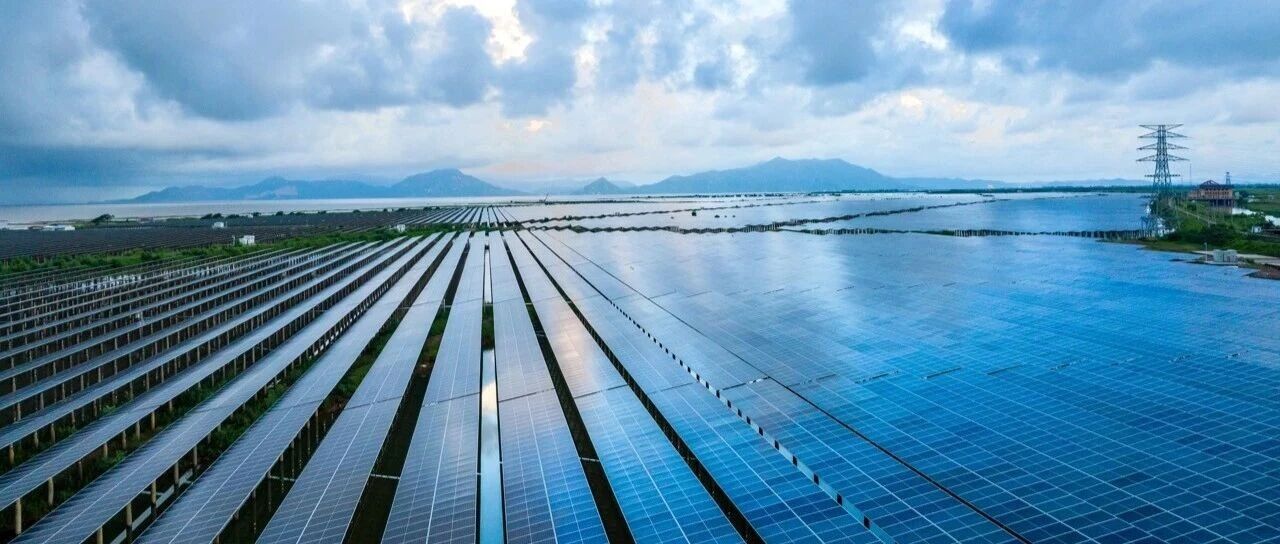
Core Viewpoint - The photovoltaic (PV) sector in A-shares has seen a significant surge, with multiple stocks experiencing a 20% increase, driven by Elon Musk's endorsement of space photovoltaics at the Davos Forum. However, the industry faces a harsh reality of prolonged losses, overcapacity, and persistent price pressures, with major companies expected to report substantial losses in 2025 [3][4][5]. Group 1: Industry Performance and Financial Outlook - A total of 32 listed PV companies have issued profit warnings, with 23 companies, over 70%, expected to incur losses in 2025 [5]. - Major players like Tongwei Co. are projected to face losses between 9 billion to 10 billion yuan, a significant increase from the previous year's loss of 7.04 billion yuan, marking it as the only company with a projected loss exceeding 10 billion yuan [5][6]. - Trina Solar and JinkoSolar are also expected to report substantial losses, with Trina Solar's losses estimated at 6.5 billion to 7.5 billion yuan, up from 3.44 billion yuan the previous year [5][6]. Group 2: Market Dynamics and Challenges - The PV industry is grappling with a dual weakness in supply and demand, leading to significant price declines across the supply chain, including silicon materials, cells, and modules [8][9]. - The rapid expansion of manufacturing capacity in recent years has coincided with a slowdown in global demand, resulting in severe supply-demand imbalances [9]. - The cost of key raw materials, particularly silver, has surged, further straining the profitability of PV companies. Silver prices have increased by over 118% since October of the previous year, significantly impacting production costs [9][10]. Group 3: Future Industry Prospects - The path to recovery for the PV industry hinges on supply-side reforms, including capacity utilization improvements and the elimination of outdated production capabilities [10]. - The industry must address the current overcapacity and restore a healthy balance between supply and demand to improve product pricing and overall profitability [10].




连年巨亏 光伏业如何逃出“血海”
经济观察报· 2026-01-25 10:54
Core Viewpoint - The photovoltaic industry is undergoing a brutal survival elimination race and a deep restructuring of the industrial pattern, with the next phase expected to be redefined after this intense reshuffle [2][4]. Group 1: Industry Performance and Losses - In 2025, major companies in the photovoltaic sector are expected to report significant losses, with JinkoSolar forecasting a net loss of 5.9 billion to 6.9 billion yuan, Trina Solar predicting a loss of 6.5 billion to 7.5 billion yuan, and Tongwei expecting a loss of 9 billion to 10 billion yuan [2][6]. - The total expected losses from leading companies amount to hundreds of billions, indicating that the photovoltaic industry is still mired in a loss-making situation [2][5]. - The industry has shifted from a phase of rapid expansion to a deep adjustment period, with companies generally operating at a loss to maintain operations, severely squeezing overall profitability [7][12]. Group 2: Causes of the Crisis - The root cause of the current industry crisis is attributed to aggressive expansion in the past, leading to severe structural oversupply and intense price competition [3][6]. - The prices of key materials such as silicon have plummeted from 300,000 yuan per ton in 2022 to around 55,000 yuan per ton, while silver prices have nearly doubled in recent months, further exacerbating the challenges faced by companies [4][10]. Group 3: Strategic Responses and Industry Restructuring - In response to the crisis, leading companies are turning to mergers and acquisitions to strengthen competitiveness or are extending into related fields such as energy storage and hydrogen energy to seek strategic breakthroughs [4][12]. - TCL Zhonghuan announced plans to invest in a new energy technology company to enhance its integrated strategy and expand battery and module production capacity [12]. - The industry is experiencing a "淘汰赛" (elimination race), with smaller companies likely to exit the market or seek mergers as the competitive landscape narrows [13][14]. Group 4: Future Outlook and Recovery Potential - Companies like Tongwei have seen some operational profitability in the latter half of 2025, but overall losses are expected to continue due to declining sales prices and rising raw material costs [9][10]. - The recovery of profitability is contingent on the overall price recovery across the supply chain and the expansion of photovoltaic application scenarios, which could provide significant growth opportunities [9][10]. - The photovoltaic industry is witnessing a recent increase in component prices, with some manufacturers raising prices by 0.04 to 0.15 yuan per watt, indicating a potential shift in market dynamics [18][19].

“太空光伏”引爆涨停潮,概念炒作难掩行业供需双弱
Di Yi Cai Jing· 2026-01-25 09:44
Core Viewpoint - The A-share photovoltaic sector has experienced a significant surge, with multiple stocks hitting a 20% limit-up, driven by Elon Musk's endorsement of space photovoltaics at the Davos Forum. However, the industry faces a harsh reality of prolonged losses, overcapacity, and persistent price pressure, with major companies expected to report substantial losses in 2025 [1][2]. Group 1: Industry Performance - The photovoltaic industry has seen widespread losses, with 23 out of 32 listed companies expected to report losses in 2025, accounting for over 70% of the sample [2]. - Major players like Tongwei Co. anticipate a net loss of 90 to 100 billion yuan in 2025, up from a loss of 70.39 billion yuan the previous year, marking it as the only company with a projected loss exceeding 100 billion yuan [2]. - Trina Solar and JinkoSolar are also expected to report significant losses, with Trina Solar projecting a loss of 65 to 75 billion yuan, and JinkoSolar estimating a loss of 59 to 69 billion yuan [2][3]. Group 2: Market Dynamics - The photovoltaic supply chain is experiencing intensified losses due to weak terminal demand, overcapacity, and stagnant product prices, which are the main contributors to the industry's financial struggles [2][3]. - Despite some companies like Daqo Energy and Longi Green Energy reducing their losses, the overall trend remains negative, with Daqo Energy expecting a loss of 14.18 to 17.18 billion yuan, a reduction of 52.17% to 63.21% year-on-year [3]. - The industry is facing a dual challenge of weak supply and demand, with overcapacity leading to low prices, which is the primary cause of losses [4][5]. Group 3: Cost Pressures - The rapid increase in raw material prices, particularly silver, has significantly impacted production costs, with silver prices rising over 118% since October of the previous year [6][7]. - The cost of silver paste, a critical material in photovoltaic technology, has surged, further straining the profitability of companies in the sector [6][7]. - Companies are exploring cost-reduction strategies, including substituting silver with copper and aluminum, but the impact of these innovations on profitability remains limited [7]. Group 4: Future Outlook - The industry is expected to undergo structural reforms characterized by capacity utilization improvements, elimination of outdated capacity, and potential mergers and acquisitions, which are essential for recovery [7]. - A return to a healthy supply-demand balance and a restoration of product prices to reasonable levels are crucial for the fundamental improvement of companies' profitability [7].

TCL中环子公司拟不超5100万美元出售SPMY100%股权
Bei Jing Shang Bao· 2026-01-25 03:25
Core Viewpoint - TCL Zhonghuan's subsidiary Maxeon has signed an agreement to sell its wholly-owned subsidiary SPMY in Malaysia for a total consideration of up to $51 million, aiming to optimize its capital structure and enhance asset liquidity [1] Group 1: Transaction Details - The transaction involves the sale of 100% equity of SPMY to MFSS, a subsidiary of Shenghong Technology, which specializes in flexible printed circuits and interconnection solutions [1] - The final transaction price will be determined according to the terms outlined in the transaction documents [1] Group 2: Strategic Implications - The sale is part of Maxeon's restructuring plan to optimize asset allocation and improve operational efficiency [1] - The transaction is expected to enhance Maxeon's liquidity and risk resilience, while not having a significant impact on the company's overall performance [1]
白银涨破100美元关口!光伏企业如何“渡劫”?
凤凰网财经· 2026-01-24 09:07
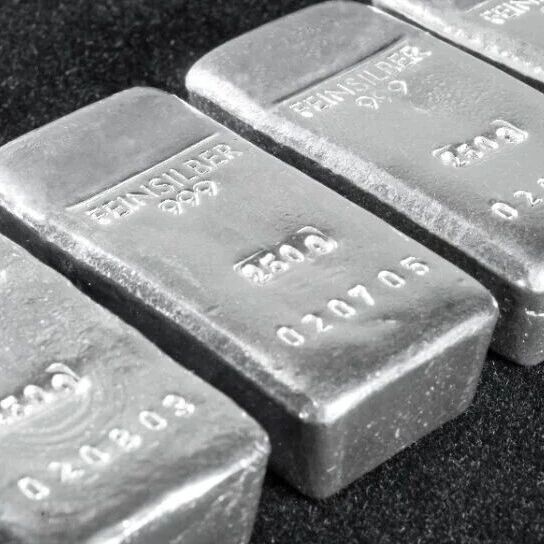
Core Viewpoint - Major photovoltaic companies such as JinkoSolar, Tongwei Co., and LONGi Green Energy have recently announced significant projected losses for 2025, primarily due to rising silver prices impacting their performance [3][4]. Group 1: Financial Projections - JinkoSolar expects a net loss of 5.9 billion to 6.9 billion yuan for 2025, while Tongwei Co. anticipates losses between 9 billion to 10 billion yuan, and LONGi Green Energy projects a net loss of 6 billion to 6.5 billion yuan [3]. - The rising costs of silver paste, a key material in photovoltaic cell production, have been cited as a major factor contributing to these losses [4]. Group 2: Cost Structure and Material Impact - Silver paste, which is crucial for manufacturing photovoltaic cells, accounts for approximately 62% of the non-silicon costs in TOPCon solar cells, with a projected cost of 0.138 yuan/W by the end of 2025 [4]. - The current spot price of silver has surged to over $100 per ounce, having more than tripled in the past year, adding to the cost pressures faced by these companies [4]. Group 3: Market Dynamics and Pricing Strategies - Companies are attempting to pass on costs by slightly increasing the prices of photovoltaic modules; however, this is constrained by a supply-demand imbalance in the industry [5]. - The domestic market demand is weakening, and overseas procurement is also declining, which may further limit the ability of companies to raise prices [5]. Group 4: Technological Developments - Companies are exploring alternatives to reduce silver usage, such as the development of "silver-free" technologies and the use of copper plating [5][6]. - While significant R&D efforts are underway, the maturity and effectiveness of these technologies remain uncertain, and their economic viability is under scrutiny [6]. Group 5: Future Outlook on Silver Prices - In the short term, the impact of alternative technologies on silver prices is expected to be limited due to their nascent stage of development [7]. - Long-term trends may see downward pressure on silver prices as these technologies mature and photovoltaic installation volumes potentially decline [7]. - The strategic resource status of silver, influenced by policy changes, may continue to support its price [8].
TCL中环下属公司拟出售SPMY100%股权
Zhi Tong Cai Jing· 2026-01-23 15:11
Core Viewpoint - TCL Zhonghuan's subsidiary Maxeon has signed an agreement to sell its wholly-owned subsidiary SunPower Malaysia Manufacturing Sdn.Bhd for a total consideration of up to 51 million USD, aiming to optimize its capital structure and enhance asset liquidity [1] Group 1 - The transaction involves the sale of 100% equity of SunPower Malaysia Manufacturing Sdn.Bhd [1] - The total transaction price is capped at 51 million USD [1] - Following the completion of the transaction, the target company will no longer be included in the consolidated financial statements of the company [1] Group 2 - The purpose of the transaction is to optimize Maxeon's capital structure [1] - The sale is intended to activate inefficient assets [1] - The transaction aims to improve the asset monetization capability of Maxeon [1]
TCL中环(002129.SZ)下属公司拟出售SPMY100%股权
智通财经网· 2026-01-23 15:09
智通财经APP讯,TCL中环(002129.SZ)公告,公司控股子公司Maxeon的全资子公司SUNPOWER TECHNOLOGY LTD.与MFS TECHNOLOGY (S) PTE LTD.于近日签署了《股权出售及购买协议》,SPT 拟向MFSS出售其马来西亚全资子公司SunPower Malaysia Manufacturing Sdn. Bhd(简称"SPMY")100%股 权。本次交易总对价不超过5100万美元,交易完成后标的公司将不再纳入公司合并报表范围。 据悉,本次交易旨在优化Maxeon资本结构,盘活低效资产,提升其资产变现能力。 ...
TCL中环(002129) - 关于子公司出售资产的自愿性公告
2026-01-23 13:45
证券代码:002129 证券简称:TCL 中环 公告编号:2026-007 TCL 中环新能源科技股份有限公司 关于子公司出售资产的自愿性公告 交易对方与公司及公司前十名股东、董事、高级管理人员在产权、业务、资产、债权债务、 人员等方面不存在任何关联关系以及其他任何可能或已经造成公司对其利益倾斜的其他关系。 三、交易标的基本情况 本公司及董事会全体成员保证信息披露内容的真实、准确、完整,没有虚假 记载、误导性陈述或重大遗漏。 一、交易概述 TCL 中环新能源科技股份有限公司(以下简称"公司"或"TCL 中环")控股子公司 Maxeon Solar Technologies,Ltd.(以下简称"Maxeon")的全资子公司 SUNPOWER TECHNOLOGY LTD. (以下简称"SPT"或"卖方")与 MFS TECHNOLOGY (S) PTE LTD.(以下简称"MFSS"或"买 方")于近日签署了《股权出售及购买协议》(以下简称"本协议"),SPT 拟向 MFSS 出售 其马来西亚全资子公司 SunPower Malaysia Manufacturing Sdn. Bhd(以下简称"SPMY"或 " ...