
BOB(601169)

Search documents
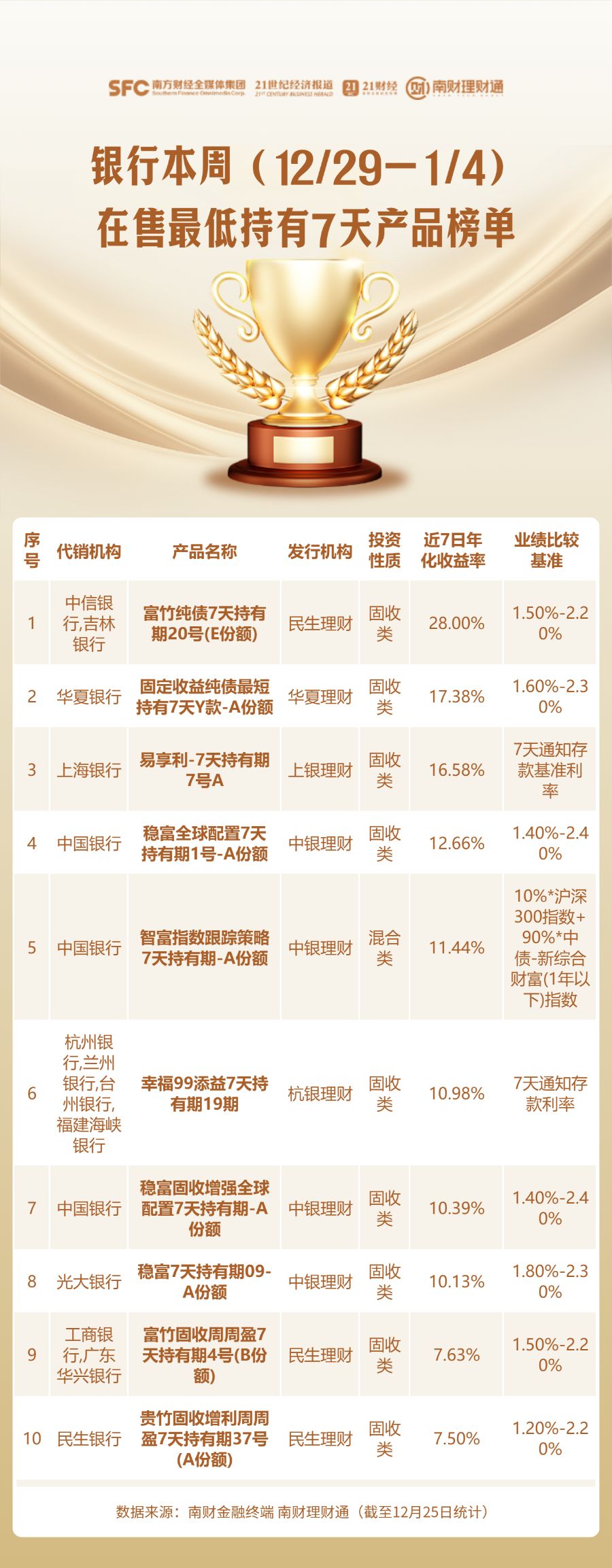
最低持有期理财榜单出炉!股份行代销产品收益居前
2 1 Shi Ji Jing Ji Bao Dao· 2025-12-29 01:20
Core Insights - The report focuses on the performance of minimum holding period RMB public funds, ranking them based on annualized returns over various holding periods: 7 days, 14 days, 30 days, and 60 days [1] - The ranking is based on annualized yield calculations, with the calculation period matching the holding period [1] Group 1: 7-Day Holding Period Products - The top-performing product is "富竹纯债7天持有期20号(E份额)" from 民生理财 with an annualized return of 28.00% [3] - Other notable products include "固定收益纯债最短持有7天Y款-A份额" from 华夏银行 with a return of 17.38% and "易享利-7天持有期7号A" from 上海银行 with a return of 16.58% [4] Group 2: 14-Day Holding Period Products - The leading product is "景前固收增利双周窓14天持有期28号" from 中信银行 with an annualized return of 15.59% [6] - Other significant products include "富竹纯债14天持有期14号(E份额)" from 民生理财 with a return of 11.68% and "嘉鑫(歳刊)固收类最低持有14天第13期-B份额" from 建信理财 with a return of 9.77% [7] Group 3: 30-Day Holding Period Products - The highest return is from "幸福99鸡益(金盈) 30天持有期" from 杭州银行 with an annualized return of 25.44% [10] - Other notable products include "盈30天持有期27号" from 民生银行 with a return of 18.61% and "易享利-28天持有期6号A" from 上海银行 with a return of 12.19% [11] Group 4: 60-Day Holding Period Products - The top product is "贵竹固收增利双月盈60天持有期3号" from 中信银行 with an annualized return of 15.26% [14] - Other significant products include "富竹纯债60天持有期12号(E份额)" from 民生理财 with a return of 7.00% and "智富指数跟踪策略60天持有期-A份额" from 中银理财 with a return of 4.63% [15]







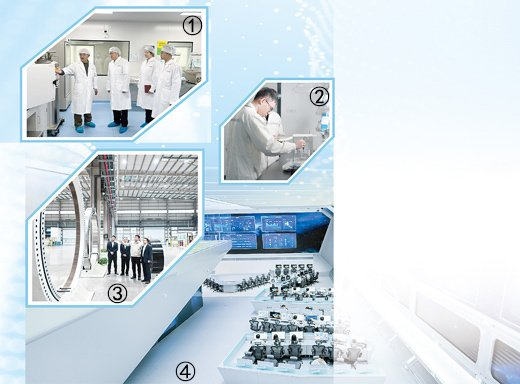
用心用力陪伴实体经济成长(深度观察)
Ren Min Wang· 2025-12-28 22:33
Core Insights - The central theme of the article emphasizes the importance of financial institutions in supporting key sectors such as domestic demand, technological innovation, and small and medium-sized enterprises (SMEs) to bolster the real economy [3] Group 1: Focus Areas - Financial institutions are encouraged to provide targeted support rather than a broad approach, ensuring resources are allocated to critical areas and weak links in the economy [4][6] - The Industrial Bank has developed a specialized financing plan for green factory equipment updates, providing 137 million yuan in loans to support the transformation of enterprises like Luozhou Group [5][6] Group 2: Innovative Services - The Construction Bank has introduced a "Technology Transformation Loan" of 10 million yuan for high-tech enterprises, which does not require traditional collateral, addressing the unique financing challenges faced by technology companies [8][10] - The bank's approach includes comprehensive services beyond credit support, such as assisting with payroll and connecting businesses with industry partners to enhance market access [10][11] Group 3: Technological Assistance - Financial technology advancements are reshaping banking services, allowing for digital approvals and online operations that cater to the needs of small and micro enterprises [12][13] - The digital banking model enables faster and more efficient service delivery, reducing the reliance on physical branches and traditional collateral requirements [15][16] Group 4: Collaborative Efforts - The article highlights the importance of multi-party collaboration in providing financial services tailored to the needs of technology-driven enterprises, moving away from traditional collateral-based lending [17][19] - Beijing Bank has established a collaborative mechanism to link various resources, including equity investment institutions and research institutes, to support the growth of technology companies [19][20]


金融机构与企业深度对话——用心用力陪伴实体经济成长(深度观察)
Ren Min Ri Bao· 2025-12-28 22:02
Core Viewpoint - The Central Economic Work Conference emphasizes guiding financial institutions to enhance support for expanding domestic demand, technological innovation, and small and micro enterprises, highlighting the importance of precise financial resource allocation to key sectors and weak links in the economy [1]. Group 1: Focus Areas - Financial institutions are adopting a "precision drip irrigation" approach rather than a "flood irrigation" method to support major sectors and weak links, ensuring targeted financial assistance [2][4]. - The Industrial and Commercial Bank of China (ICBC) has developed a specialized financing plan for green factory equipment updates, providing 137 million yuan in loans to support enterprises like Luozhou Group in their green transformation efforts [2][3]. - The emphasis on financial support for the real economy has increased, with financial institutions like ICBC providing tailored project loans that facilitate equipment upgrades and technological advancements for companies [3][4]. Group 2: Innovative Services - Financial institutions are addressing the core pain points of financing for technology enterprises by offering customized products and precise services, such as the "Technology Transformation Loan" from China Construction Bank, which provides funding without requiring traditional collateral [6][7]. - The focus on "full-cycle companionship" in service innovation includes not only credit support but also comprehensive services that assist enterprises in daily operations and market expansion [7][8]. - The need for flexible support from banks, such as repayment plan adjustments and renewals, is crucial for technology enterprises facing cash flow pressures [8]. Group 3: Technology Empowerment - The advancement of financial technology is reshaping the service philosophy, models, and boundaries of banks, enabling them to provide 24/7 online services and integrate various financial services into a comprehensive ecosystem [12]. - Digital financial products, like the "Micro Business Loan" from WeBank, allow enterprises to access funds quickly and efficiently, reflecting the growing reliance on digital solutions in the financing landscape [10][11]. - The integration of AI and digital technologies in banking operations enhances efficiency and customer service, marking a significant shift towards AI-native banking [12]. Group 4: Collaborative Efforts - Multi-party collaboration is essential for effectively implementing technology finance services, moving beyond traditional collateral-based lending to accommodate the unique characteristics of technology enterprises [15]. - Beijing Bank has established a collaborative mechanism to link various resources, including partnerships with equity investment institutions and research institutes, to provide comprehensive support for technology enterprises [15]. - The approach of integrating financing with intelligence and resources creates a supportive ecosystem for technology enterprises, facilitating their growth and development [15].
银行理财代销加速扩张,有农商行年内产品数量暴增两倍
Di Yi Cai Jing· 2025-12-28 05:22
合规压力同步上行,多家银行因理财、代销业务被罚。 业内人士指出,理财代销正从"规模竞争"迈入"能力竞争"阶段。如何在抢占市场窗口期的同时守住风险 底线,成为摆在银行面前的一道现实考题。 理财规模创新高,中小银行加速入场 2025年以来,银行理财代销市场明显升温。一方面,多家银行代销理财产品数量和规模快速扩张,理财 代销成为不少银行在息差收窄背景下的重要"发力点";另一方面,随着业务加速推进,理财、代销等环 节的管理漏洞也逐步暴露,监管罚单密集落地,合规压力同步上行。年内多家银行因理财、代销等业务 管理不审慎等被处罚。 业内人士普遍认为,中小银行加码理财代销,既是应对息差持续收窄、压降负债成本的现实选择,也是 在资管新规全面落地背景下,对自营理财空间受限的一种"转向式布局"。 扩张背后罚单频现,监管持续加码 在理财代销快速扩张的同时,部分银行在理财、代销及相关业务环节的管理短板逐渐显现。 银行业理财登记托管中心发布的《中国银行业理财市场季度报告(2025年三季度)》显示,截至今年9 月末,全市场存续理财产品规模达32.13万亿元,首次突破32万亿元大关,创下历史新高;持有理财产 品的投资者数量达1.39亿,同比 ...

北京银行今日大宗交易折价成交6160万股,成交额3.26亿元
Xin Lang Cai Jing· 2025-12-26 09:37
| 区景壁立日记、 | | | | | | | | | | --- | --- | --- | --- | --- | --- | --- | --- | --- | | 交易日期 | 证券简称 | 证券代码 | 成交价(元) 成交金额(万元) 成交量( *) 买入营业部 | | | | 卖出营业部 | 是否为专线 | | 025-12-26 | 北京银行 | 601169 | 5.29 32586.4 | 6160 | 公司正意年度有哭 | 茶園景餐館 有興 | | 겉 | 12月26日,北京银行大宗交易成交6160万股,成交额3.26亿元,占当日总成交额的44.11%,成交价5.29 元,较市场收盘价5.49元折价3.64%。 ...

城商行板块12月26日跌0.67%,厦门银行领跌,主力资金净流出5996.58万元
Zheng Xing Xing Ye Ri Bao· 2025-12-26 09:07
Core Viewpoint - The city commercial bank sector experienced a decline of 0.67% on December 26, with Xiamen Bank leading the drop, while the Shanghai Composite Index rose by 0.1% and the Shenzhen Component Index increased by 0.54% [1] Group 1: Market Performance - The closing price of Xiamen Bank was 7.56, reflecting a decrease of 2.45% with a trading volume of 139,200 shares and a transaction amount of 106 million yuan [2] - Other notable banks included Guizhou Bank at 5.90 (-1.17%), Ningbo Bank at 28.00 (-1.10%), and Chongqing Bank at 10.85 (-0.91%) [2] - The overall city commercial bank sector saw a net outflow of 59.97 million yuan from main funds, while retail funds experienced a net outflow of 80.69 million yuan [2] Group 2: Fund Flow Analysis - Hangzhou Bank had a main fund net inflow of 11.5 million yuan, but retail funds saw a net outflow of 76.27 million yuan [3] - Ningbo Bank recorded a main fund net inflow of 56.33 million yuan, while retail funds had a net outflow of 6.51 million yuan [3] - The overall trend indicates that while some banks attracted main fund inflows, retail investors were largely withdrawing their investments [3]




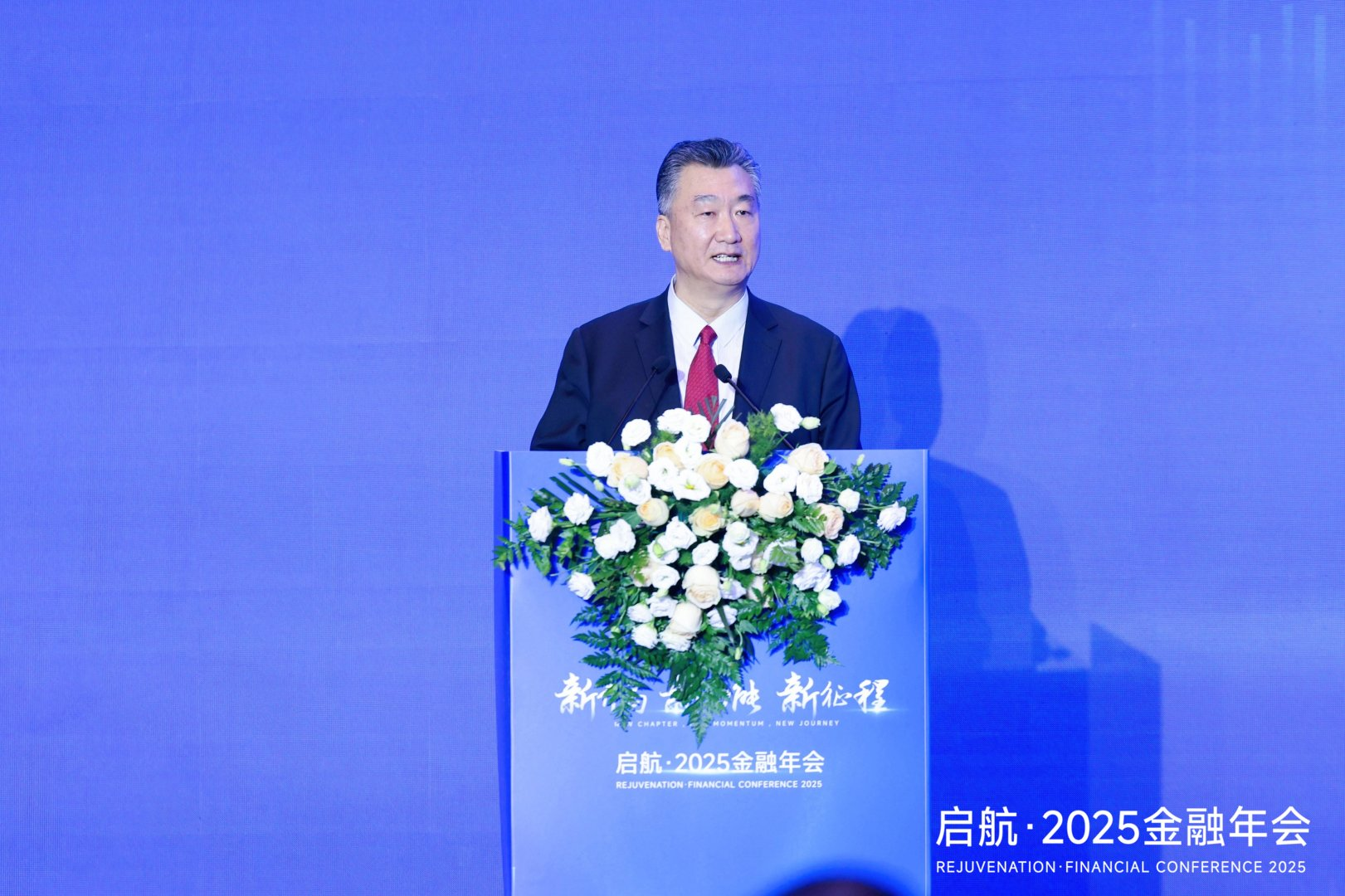
银行如何支持科技创新企业发展?北京银行董事长霍学文揭秘如何“雪中送炭”摩尔线程
Jin Rong Jie· 2025-12-26 04:58
12月26日,由金融界主办的"启航·2025金融年会"在北京举行。本次年会以"新开局、新动能、新征程"为主题,来自政、商、学、研等领域的100多位嘉宾、 500余家金融机构和上市公司齐聚一堂,共赴这场思想盛宴。 针对银行"风控大于天"的行业属性与服务科创企业的适配性问题,霍学文分享了2022年底以来推行的CPCT方案。其中,C代表客户定位,重点覆盖国家 级、省市各级专精特新企业,在该行设有一级分行的12个省市,相关企业覆盖度已超50%;P指向产品创新,推出"领航e贷","现在我们专精特新企业有1/4 就是通过我们的模型算法,直接给予无担保、无抵押、纯信用、纯线上的服务,测额即可贷"。 第二个C指的是渠道层面,北京银行采用名单制营销、特色交流活动与支持专精特新节目三大方式。霍学文提到,摩尔线程就曾参与该行的早餐会,"不是 为了吃,也不是为了喝,而是为了交流",会上还会邀请投行等机构共谋发展;与北京广播电视台合作的《专精特新研究院》已播至第五季,助力企业获得 市场与资本认可。T就是Talent,涵盖技术与人才两方面,既要打造"人工智能驱动的商业银行",也要培养懂科技的专业人才,通过多期培训提升从业者对科 创企业的 ...
上市银行,密集出手!9家赎回,超1000亿!
券商中国· 2025-12-25 11:55
Core Viewpoint - The motivation for listed banks to redeem existing "high-interest" preferred shares is increasing in a low-interest-rate environment, aiming to save on interest costs [1][4]. Group 1: Redemption of Preferred Shares - Changsha Bank announced the redemption of 6 billion yuan of its preferred shares "Changyin You 1" on December 25, 2025, marking it as the fifth bank to redeem preferred shares in December [1][4]. - A total of 9 banks have redeemed preferred shares since 2025, with a cumulative redemption amount exceeding 1,000 billion yuan [4][5]. - The redemption actions include banks such as Nanjing Bank (4.9 billion yuan), Shanghai Bank (20 billion yuan), and Beijing Bank (4.9 billion yuan) [3][4]. Group 2: Market Trends and Supply - The total outstanding preferred shares of banks is 6,453.5 billion yuan, accounting for 99.58% of the preferred share market [5]. - Since 2020, the issuance of new preferred shares has nearly halted, leading to a gradual reduction in the outstanding volume [5][6]. - The introduction of perpetual bonds in 2019 has diversified the capital supplement tools available to banks, reducing the attractiveness of preferred shares [5][6]. Group 3: Investment Dynamics - Preferred shares are becoming increasingly scarce, making them a valuable asset for asset management institutions, including public funds and insurance funds [8][9]. - As of June 2025, approximately 3,079 billion yuan of bank preferred shares were held by wealth management products, representing 40.66% of the total outstanding preferred shares [8]. - The liquidity of bank preferred shares remains low compared to other capital supplement tools, with a low turnover rate in the market [9].




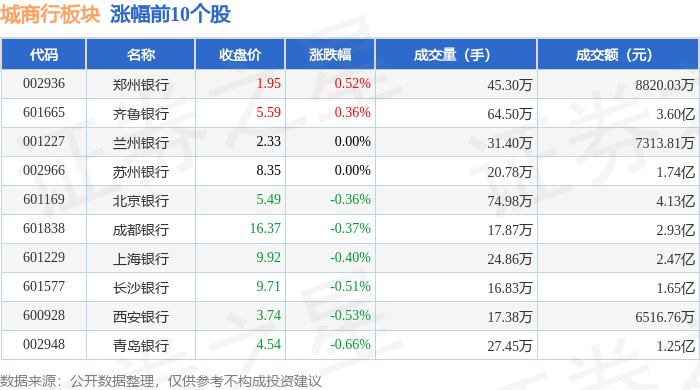
城商行板块12月25日涨0.07%,上海银行领涨,主力资金净流出1.11亿元
Zheng Xing Xing Ye Ri Bao· 2025-12-25 09:14
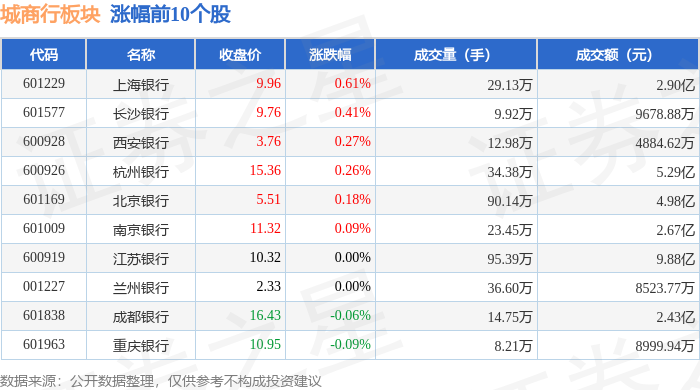
Market Performance - The city commercial bank sector increased by 0.07% compared to the previous trading day, with Shanghai Bank leading the gains [1] - The Shanghai Composite Index closed at 3959.62, up 0.47%, while the Shenzhen Component Index closed at 13531.41, up 0.33% [1] Individual Stock Performance - Shanghai Bank (601229) closed at 9.96, up 0.61% with a trading volume of 291,300 shares and a transaction value of 290 million [1] - Other notable performers include: - Changsha Bank (601577) at 9.76, up 0.41% [1] - Xi'an Bank (600928) at 3.76, up 0.27% [1] - Hangzhou Bank (600926) at 15.36, up 0.26% [1] - Beijing Bank (601169) at 5.51, up 0.18% [1] Capital Flow Analysis - The city commercial bank sector experienced a net outflow of 111 million from institutional investors, while retail investors saw a net inflow of 121 million [2] - The overall capital flow indicates a mixed sentiment, with institutional investors withdrawing funds while retail investors are increasing their positions [2] Detailed Capital Flow by Bank - Hangzhou Bank (600926) had a net inflow of 38.46 million from institutional investors, but a net outflow of 43.46 million from speculative funds [3] - Beijing Bank (601169) saw a net inflow of 23.41 million from institutional investors, with a net outflow of 18.77 million from speculative funds [3] - Guizhou Bank (601997) had a significant net inflow of 22.19 million from institutional investors, but a net outflow of 36.07 million from retail investors [3]
银行业积极响应信用修复政策 支持个人和家庭重塑信用
Jin Rong Shi Bao· 2025-12-25 02:58
Core Viewpoint - The People's Bank of China has announced a one-time credit repair policy aimed at supporting individuals with damaged credit who actively repay their debts, in response to the ongoing impacts of the COVID-19 pandemic [1][3]. Group 1: Policy Implementation - The policy applies to personal overdue information for amounts not exceeding 10,000 RMB from January 1, 2020, to December 31, 2025, where individuals can have their overdue debts removed from the credit system if repaid by March 31, 2026 [2]. - Financial institutions have quickly responded to the policy, emphasizing the importance of promoting and implementing the credit repair measures [1][3]. Group 2: Benefits for Individuals and Financial Institutions - The policy is expected to provide a corrective opportunity for individuals with past credit issues, improving their credit status and stimulating economic activity [3]. - It will help financial institutions better identify individual credit situations, enhancing the quality and effectiveness of inclusive financial services [3][4]. - The policy is anticipated to activate a significant number of potential credit customers, positively impacting consumer credit growth [4]. Group 3: Relationship Between Banks and Customers - The implementation of the policy is likely to foster a better relationship between banks and customers, encouraging individuals to value and maintain their credit [5]. - Banks are expected to provide improved financial services based on the enhanced credit environment created by the policy [5]. Group 4: Challenges for Financial Institutions - Banks face the challenge of optimizing risk control capabilities while implementing the credit repair policy [6]. - There is pressure on banks to quickly adjust risk control models to incorporate the new repair rules and prevent secondary risks from historical record changes [7]. - Financial institutions need to ensure accurate reporting of repayment information to the credit system and may need to develop new assessment models for the repaired customer group [7][8].

