
HZBank(600926)

Search documents
银行股逆势普涨,齐鲁银行涨近2%
Ge Long Hui· 2026-01-20 03:06
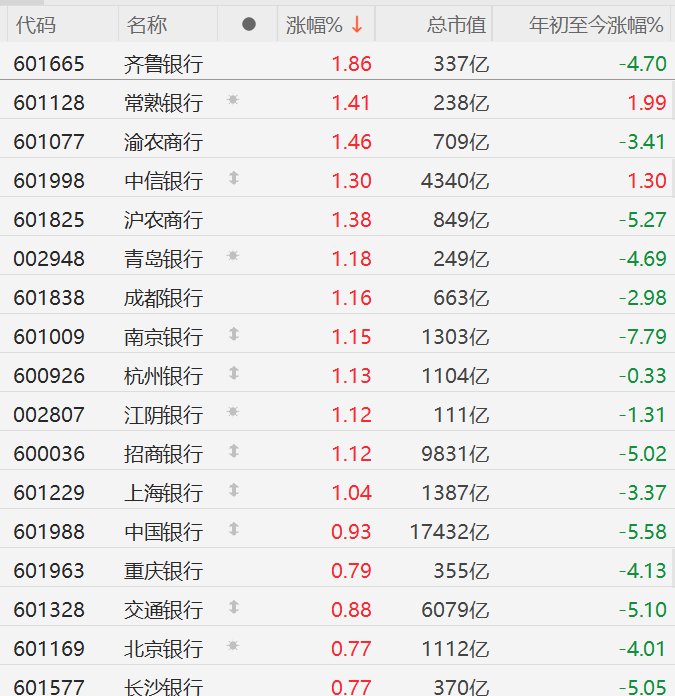
Group 1 - The A-share market saw a significant increase in bank stocks, with Qilu Bank rising nearly 2% and several other banks, including Changshu Bank and Chongqing Rural Commercial Bank, increasing by over 1% [1] - The total market capitalization of Qilu Bank is 33.7 billion, while Changshu Bank has a market cap of 23.8 billion [2] - Year-to-date performance shows that Qilu Bank has decreased by 4.70%, while Changshu Bank has increased by 1.99% [2] Group 2 - Other banks that experienced gains include Yunnan Rural Commercial Bank (1.46%), CITIC Bank (1.30%), and Shanghai Bank (1.04%) [2] - The total market capitalization of CITIC Bank is 434 billion, and it has a year-to-date performance of 1.30% [2] - Despite the gains, many banks still show negative year-to-date performance, such as Shanghai Bank (-3.37%) and China Bank (-5.58%) [2]




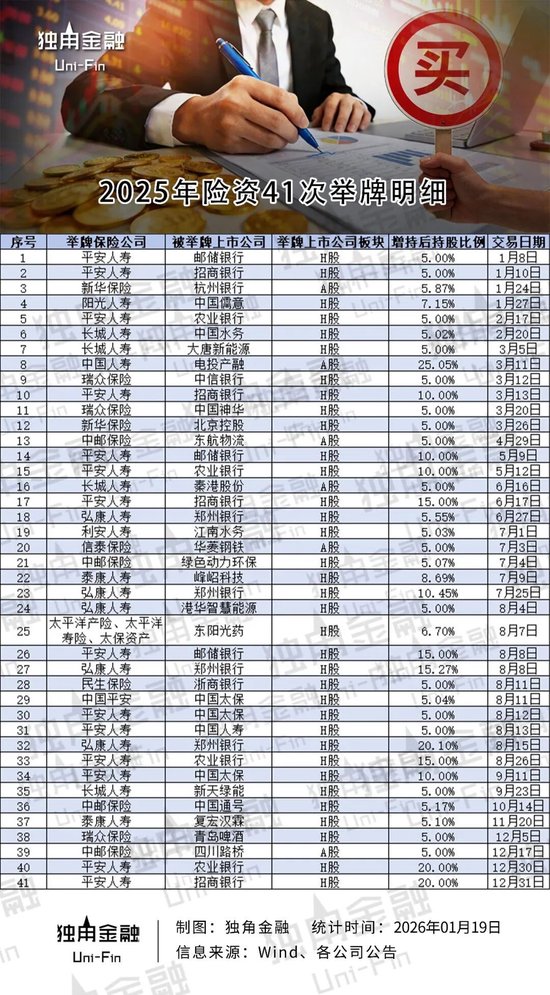
狂揽港股!险资一年41次举牌背后的资本盛宴
Xin Lang Cai Jing· 2026-01-19 12:23
Core Viewpoint - Insurance capital is transitioning from a "barbarian at the gate" to a "strategist in the boardroom," with a focus on long-term investments rather than short-term financial gains, as evidenced by a record 41 public shareholding increases in 2025, the highest in nearly a decade [1][16][19] Group 1: Investment Trends - In 2025, insurance capital engaged in 41 public shareholding increases, more than double the average of recent years, indicating a significant shift in investment strategy [2][16] - The majority of these shareholding increases (over 85%) occurred in H-shares, driven by their substantial valuation discounts and smoother acquisition mechanisms [1][19] - Insurance companies are increasingly focusing on financial stocks, particularly banks, as they seek certainty, safety, and valuation flexibility in a complex market environment [1][9] Group 2: Regulatory Environment - Recent regulatory changes have opened up opportunities for insurance capital in equity investments, shifting from restrictions to encouragement of long-term investments [4][18] - The optimization of solvency regulatory standards has expanded the space for equity investments, allowing insurance companies to better match their long-term liabilities with asset returns [4][18] Group 3: Financial Performance - Insurance companies have reported significant increases in investment income, with 11 companies showing positive growth in 2025, including a remarkable 687.16% increase for New China Life [11][26] - The overall investment yield for major insurers has risen, with Ping An Life and China Life reporting increases exceeding 400% in investment income [12][26] Group 4: Strategic Focus - Insurance capital is not only focusing on traditional financial sectors but is also investing in high-tech fields such as renewable energy, advanced manufacturing, and biotechnology, reflecting a strategic alignment with national economic transformation [9][23] - The long-term nature of insurance capital aligns well with companies that have solid fundamentals and stable cash flows, allowing insurers to share in corporate growth and dividends [3][17]




银行资负跟踪20260119:降准降息还有空间
GF SECURITIES· 2026-01-19 04:26
Investment Rating - The industry investment rating is "Buy" [3] Core Viewpoints - The report indicates that there is still room for further cuts in reserve requirement ratios and interest rates, with a focus on structural monetary policy support for high-quality economic development [15][19] - The central bank has implemented a reduction of 0.25 percentage points in various structural monetary policy tool rates, signaling a supportive monetary policy stance [15][19] - The report emphasizes the importance of timing for future policy implementations, particularly in relation to government bond issuance peaks and the maturity schedule of high-interest bank deposits [15] Summary by Sections 1. Monetary Policy Adjustments - The report notes a reduction of 0.25 percentage points in structural monetary policy tool rates, with a focus on supporting key areas through increased re-lending [15] - Future attention is directed towards December economic data and January LPR [22] 2. Central Bank Dynamics and Market Rates - The central bank conducted a total of 9,515 billion yuan in 7-day reverse repos at an interest rate of 1.40%, with a net injection of 9,741 billion yuan [16] - The report highlights that the funding rates remained stable, with expectations of slight increases due to tax payments and government bond net repayments [16] 3. Bank Financing Tracking - The report indicates that the total outstanding amount of interbank certificates of deposit (CDs) is 19.09 trillion yuan, with an average issuance rate of 1.65% [20] - The report also notes that there were no commercial bank bond issuances during the period, with a total outstanding commercial bank bond size of 3.38 trillion yuan [20]




银行业周报:结构性工具降息扩容,对公贷款有望支撑开门红-20260119
Yin He Zheng Quan· 2026-01-19 03:31
Investment Rating - The report maintains a "Recommended" rating for the banking sector, highlighting the continued dividend value of bank stocks and the positive outlook for the sector [39]. Core Insights - The expansion of structural monetary policy tools and interest rate cuts is expected to support banks in stabilizing their interest margins and enhance support for key areas of the real economy [5][39]. - The report anticipates a marginal improvement in corporate financing demand, with public loans expected to continue supporting the bank's credit growth in early 2026 [5][39]. - The report emphasizes the importance of monitoring the effectiveness of policies and the potential for further monetary easing, including a projected 50 basis points (BP) reduction in reserve requirements and a 10-20 BP cut in interest rates throughout the year [8][39]. Summary by Sections Latest Research Insights - The People's Bank of China (PBOC) has reduced the interest rates on various structural monetary policy tools by 25 BP, which is expected to enhance banks' credit allocation to key sectors [7][8]. - The PBOC's measures include increasing the quotas for re-lending to small and medium-sized enterprises and expanding support for technology innovation and green financing [7][8]. Market Performance - The banking sector underperformed the market, with a decline of 3.03% compared to a 0.57% drop in the CSI 300 index [5][15]. - The report notes that only three A-share banks saw an increase in stock prices, while the majority experienced declines [15]. Investment Recommendations - The report suggests focusing on banks that are likely to benefit from the structural monetary policy changes, recommending specific banks such as Industrial and Commercial Bank of China, Agricultural Bank of China, and Postal Savings Bank of China [39]. - The report highlights the ongoing dividend appeal of bank stocks, driven by factors such as low interest rates and substantial dividend payouts [39]. Financial Data - As of December, the total social financing (TSF) showed a year-on-year increase of 8.3%, with corporate loans demonstrating a notable increase, indicating a recovery in financing demand [9][10]. - The report projects that the total new RMB loans in January 2026 will be approximately 5.5-5.6 trillion yuan, with public loans expected to perform slightly better than the previous year [12][39].



金融行业周报(2026、01、18):央行宣布结构性降息,衍生品交易监管更规范-20260118
Western Securities· 2026-01-18 11:43
Investment Rating - The report does not explicitly state an overall investment rating for the financial industry, but it provides specific recommendations for various sectors and companies within the industry [3][21]. Core Insights - The financial industry experienced a decline this week, with the non-bank financial index down by 2.63%, underperforming the CSI 300 index by 2.06 percentage points. The banking sector saw a decline of 3.03%, also underperforming the CSI 300 index by 2.46 percentage points [1][9]. - The report highlights a structural interest rate cut by the central bank, which is expected to impact various financial sectors, particularly banks and insurance companies. The insurance sector is viewed as being in a critical window for performance and valuation recovery [3][21]. - Regulatory measures have been introduced to stabilize the derivatives market, which is expected to benefit well-capitalized and compliant brokerage firms [2][17]. Summary by Sections 1. Weekly Performance and Sector Insights - The non-bank financial index decreased by 2.63%, with the securities, insurance, and diversified financial indices down by 2.21%, 3.59%, and 1.83% respectively [1][9]. - The banking sector's performance was notably poor, with state-owned banks, joint-stock banks, city commercial banks, and rural commercial banks experiencing declines of 2.20%, 4.08%, 2.40%, and 2.20% respectively [1][9]. 2. Insurance Sector Insights - The insurance sector's index fell by 3.59%, underperforming the CSI 300 index by 3.02 percentage points. The report indicates that regulatory cooling measures have created short-term pressure on the insurance sector, but the long-term outlook remains positive due to asset growth and interest margin recovery [1][13][15]. - Key companies such as China Pacific Insurance, China Life, and New China Life are recommended for investment due to their strong fundamentals and recovery potential [3][16]. 3. Brokerage Sector Insights - The brokerage sector saw a decline of 2.21%, with the report emphasizing the potential benefits of new regulatory measures aimed at enhancing the derivatives market. The focus is on larger, well-capitalized firms that can navigate the evolving regulatory landscape [2][17]. - Recommendations include major brokerages like Guotai Junan and Huatai Securities, which are expected to benefit from the anticipated recovery in profitability and valuation [2][18]. 4. Banking Sector Insights - The banking sector's index fell by 3.03%, with the central bank's recent interest rate cut expected to support the sector's performance in the long run. The report suggests that banks may see a gradual recovery in net interest income and profitability [3][21][22]. - Specific banks such as Hangzhou Bank and Ningbo Bank are highlighted as potential investment opportunities, particularly those with previously undervalued positions [3][22].



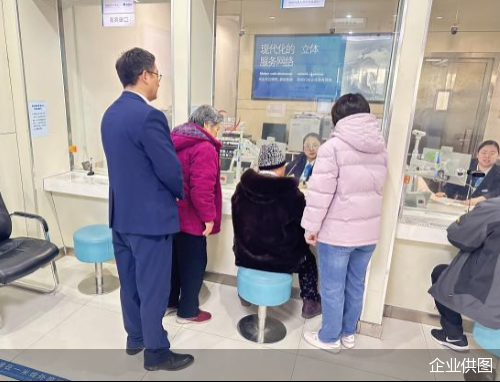
慧眼识骗局 初心护民生
Bei Jing Shang Bao· 2026-01-17 14:04
Core Insights - The article highlights a successful intervention by Hangzhou Bank's Beijing branch in preventing a telecom fraud targeting an elderly customer, resulting in the recovery of 60,000 yuan [1][2][3] Group 1: Incident Overview - On December 29, 2025, an elderly customer attempted to withdraw 60,000 yuan from a matured fixed deposit, but family members expressed concerns about potential fraud due to previous experiences [1] - The bank staff identified risk signals and engaged with the customer to understand the withdrawal purpose, revealing intentions to invest in a high-yield insurance product [1][2] Group 2: Response Actions - The bank's staff, trained in fraud prevention, escalated the situation to the branch manager, who initiated a police cooperation mechanism to ensure the customer's funds were protected [2] - Police arrived and collaborated with bank staff to investigate the insurance sales personnel, discovering that the high-yield product was a fraudulent loan scheme [2] Group 3: Outcome and Recognition - The elderly customer was educated about the fraud and ultimately decided to reinvest her funds instead of withdrawing them, expressing gratitude towards the bank and police for their assistance [2][3] - The local police station commended the bank for its effective fraud prevention efforts, highlighting the successful collaboration between the bank and law enforcement [3][6]
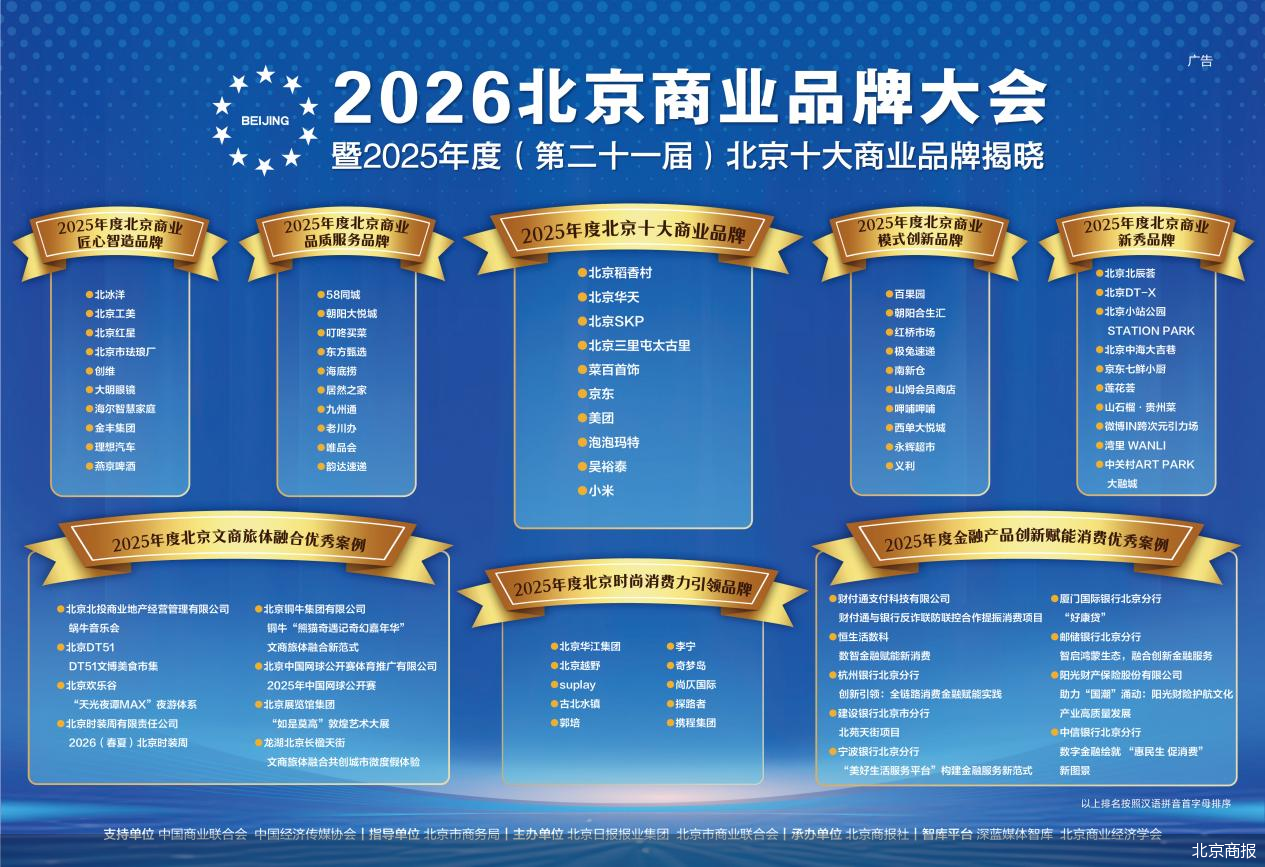
2025年度金融产品创新赋能消费优秀案例揭晓
Bei Jing Shang Bao· 2026-01-16 08:58
Group 1 - The 2026 Beijing Commercial Brand Conference and the announcement of the 2025 Top Ten Commercial Brands took place in Beijing, focusing on the theme "New Demand, New Supply" [1] - The event was guided by the Beijing Municipal Bureau of Commerce and co-hosted by the Beijing Daily Media Group and the Beijing Commercial Association, highlighting the highest level of commercial brands in Beijing [1] Group 2 - The consumer market is undergoing continuous transformation and upgrading, with finance playing a crucial role by innovating products and service models to meet new consumer demands [3] - Financial innovations are effectively releasing consumption potential, enhancing payment convenience, and expanding consumer credit scenarios, thereby injecting strong momentum into the real economy [3] Group 3 - The annual special list "Outstanding Cases of Financial Product Innovation Empowering Consumption" was revealed, featuring various financial institutions and their innovative projects aimed at boosting consumption [5] - Notable projects include: - WeChat Pay's collaboration with banks on fraud prevention to boost consumption - Hangzhou Bank's full-chain consumer finance empowerment - Construction Bank's North Garden Street project - Ningbo Bank's "Beautiful Life Service Platform" - Xiamen International Bank's "Good Loan" - Postal Savings Bank's innovative financial services - Sunshine Property Insurance's support for the cultural industry - Citic Bank's digital finance initiatives [5][7]

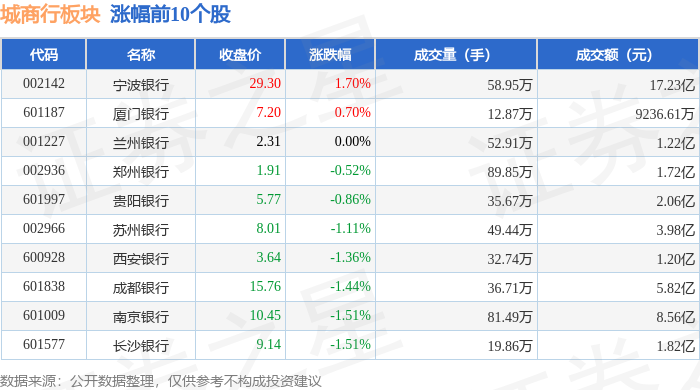
城商行板块1月16日跌1.27%,江苏银行领跌,主力资金净流出2.29亿元
Zheng Xing Xing Ye Ri Bao· 2026-01-16 08:56
Core Viewpoint - The city commercial bank sector experienced a decline of 1.27% on January 16, with Jiangsu Bank leading the drop. The Shanghai Composite Index closed at 4101.91, down 0.26%, while the Shenzhen Component Index closed at 14281.08, down 0.18% [1]. Group 1: Stock Performance - Ningbo Bank closed at 29.30, up 1.70% with a trading volume of 589,500 shares and a transaction value of 1.723 billion [1]. - Xiamen Bank closed at 7.20, up 0.70% with a trading volume of 128,700 shares and a transaction value of 92.3661 million [1]. - Jiangsu Bank closed at 9.76, down 2.69% with a trading volume of 2,061,300 shares and a transaction value of 2.033 billion [2]. - Shanghai Bank closed at 9.64, down 2.43% with a trading volume of 961,200 shares and a transaction value of 933.3 million [2]. Group 2: Capital Flow - The city commercial bank sector saw a net outflow of 229 million from main funds, while speculative funds had a net inflow of 716 million, and retail investors experienced a net outflow of 487 million [2]. - Hangzhou Bank had a main fund net inflow of 153 million, while retail investors saw a net outflow of 113 million [3]. - Nanjing Bank recorded a main fund net inflow of 70.5 million and a retail net outflow of 131 million [3].
银行行业点评报告:企业信贷超季节性增长,信贷投放前置趋势或延续
KAIYUAN SECURITIES· 2026-01-16 05:44
Investment Rating - Investment rating: Positive (maintained) [2] Core Viewpoints - In December, corporate credit experienced a seasonal growth, with expectations that the credit issuance in Q1 2026 may reach the highest level in history [4] - The report highlights that while the year-end credit issuance slowed down, the impact of debt reduction policies has weakened, allowing for stable credit growth [4] - The report indicates that the demand for corporate loans has shown signs of recovery, with a year-on-year increase of 5.8 trillion yuan in December, although the overall demand still requires further observation [4] - The report notes that the new issuance rates for corporate and personal housing loans have stabilized at 3.10%, reflecting a shift in bank lending strategies [5][6] Summary by Sections Credit Market Analysis - December saw a new issuance of 910 billion yuan in RMB loans, a year-on-year decrease of 80 billion yuan, with a balance growth rate of 6.4% [4] - The corporate loan structure improved, with short-term and medium-to-long-term loans increasing by 3.9 trillion yuan and 2.9 trillion yuan respectively [4] - The report emphasizes that the overall credit demand from residents remains weak, with a year-on-year decrease of 441.6 billion yuan in December [4] Social Financing and Government Bonds - In December, social financing increased by 2.2 trillion yuan, a year-on-year decrease of 646.2 billion yuan, with a stock growth rate of 8.3% [5] - The slowdown in government bond issuance has been identified as a drag on social financing, with new government bonds issued at 683.3 billion yuan, one of the lowest levels of the year [5] Monetary Supply and Deposits - M2 growth in December was 8.5%, while M1 growth fell to 3.8% [6] - The report notes that the increase in fiscal deposits may indicate a weaker year-end fiscal spending compared to the previous year [6] Investment Recommendations - The report suggests that banks with strong wealth management businesses and active financial environments in key regions will benefit from the stable growth policies [7] - Recommended banks include CITIC Bank, with beneficiaries including Agricultural Bank of China, China Merchants Bank, and others [7]

银行行业点评报告:政策支撑稳增长,关注Q1银行景气度修复行情
KAIYUAN SECURITIES· 2026-01-16 03:11
Investment Rating - The investment rating for the banking industry is "Positive" (maintained) [2] Core Viewpoints - The report emphasizes that policy support is crucial for stabilizing growth, with a focus on the recovery of banking sector sentiment in Q1 [4][7] - The People's Bank of China (PBOC) has indicated the feasibility of further interest rate cuts and reserve requirement ratio (RRR) reductions due to high current levels of RRR and a stable exchange rate environment [4] - Structural monetary policy tools have been introduced to lower the overall financing costs in society, with specific interest rate cuts for various loans [5] - The resumption of government bond trading operations by the PBOC is aimed at enhancing the monetary policy toolkit and ensuring smooth issuance of government bonds [6] Summary by Sections Monetary Policy and Economic Recovery - The PBOC's recent measures include a potential for 1-2 interest rate cuts within the year, with a possible reduction of 10 basis points each time, with the earliest cut expected in Q1 [4] - The report notes that the core Consumer Price Index (CPI) has shown positive growth, indicating effective policy collaboration [7] Banking Sector Performance - The banking sector is expected to benefit from improved economic conditions, with a significant increase in credit issuance anticipated in January, potentially the highest in history [7] - Banks with strong wealth management capabilities and those in active financial environments are likely to gain more from the supportive policy landscape [7] Recommendations - The report recommends focusing on banks such as CITIC Bank, Construction Bank, Agricultural Bank, and others, which are expected to benefit from the current economic recovery and policy support [7]