XZB(603040)

Search documents
资管一线|外资持续看多“中国资产” 科技、消费和出海成为新坐标
Xin Hua Cai Jing· 2025-12-18 14:06
Group 1: Foreign Investment Outlook - The year 2025 is seen as a pivotal moment for foreign investors reassessing Chinese assets, with a consensus on focusing on technology, consumer sectors, and high-value export companies for 2026 [1][2] - The Shanghai Composite Index has risen from 3200 points at the beginning of 2025 to around 3900 points, indicating a strong market performance [2] - Goldman Sachs predicts that the MSCI China Index's earnings per share (EPS) growth will increase to approximately 12% in 2026, up from an average of 8% from 2020 to 2024, driven by structural improvements in corporate profitability [2] Group 2: Technology Sector Insights - The AI sector is expected to be a significant growth area, with capital expenditures in AI infrastructure projected to benefit Chinese suppliers [4][5] - Analysts believe that the Chinese technology sector will see a capital expenditure growth rate of around 20% over the next 12 months, which will positively impact profitability [5] - China is positioned as a strong competitor in the global AI race, leveraging its advantages in data scale, energy efficiency, and infrastructure [5] Group 3: Consumer Sector Opportunities - The consumer market in China is undergoing structural changes, with a shift from goods to services and from survival to experience-driven consumption [6][7] - UBS notes that consumer-related sectors are currently undervalued, particularly in food and beverage and home appliances, suggesting potential investment opportunities [6] - The recovery of consumer spending is expected to be supported by improving corporate profits and rising household incomes, with a focus on new products and technologies [6][7] Group 4: International Expansion of Chinese Companies - Chinese companies are increasingly focusing on international markets, transitioning from passive to proactive strategies in global expansion [8][9] - Analysts highlight that the shift towards high-value exports will be a core investment theme for A-shares in 2026, with expectations of increased overseas revenue contributing to higher profit margins [8][9] - The overseas revenue share of MSCI China Index and CSI 300 Index components is projected to rise significantly, particularly in sectors like new energy, consumer electronics, and AI-related hardware [9]

汽车行业2026年策略:L3商用在即,智能底盘有望批量应用
Dongxing Securities· 2025-12-18 08:54
Investment Summary - The automotive industry is benefiting from the acceleration of smart technology and the development of the robotics industry, with the parts sector outperforming the vehicle sector. From January 1 to December 12, 2025, the CITIC passenger car index fell by 0.40%, while the CITIC automotive parts index rose by 34.76%, indicating a significant difference in performance between the two sectors [4][18][25]. Group 1: 2025 Market Performance and Earnings Review - The automotive parts sector achieved a revenue of 7,541.60 billion yuan in the first three quarters of 2025, a year-on-year increase of 8.75%, and a net profit of 460.10 billion yuan, up 19.60% year-on-year [49]. - The passenger vehicle sector's revenue reached 15,203.16 billion yuan, growing by 8.68% year-on-year, while the net profit decreased by 15.72% to 391.90 billion yuan [31][49]. - The performance of passenger vehicle companies varied, with most showing revenue growth, but some, like BYD and Great Wall Motors, experienced profit declines [39][42]. Group 2: Outlook for 2026 - The automotive market in 2026 is expected to see a decline in policies, while exports and new energy vehicles (NEVs) will continue to rise. The "old-for-new" policy is anticipated to drive high growth in vehicle sales in 2025, but its absence in 2026 may lead to a demand shortfall [5][62][66]. - The penetration rate of NEVs is expected to continue increasing, with smart and high-end vehicles becoming new growth drivers. By 2025, the penetration rate of NEVs reached 46.7% [72][73]. - The L3 commercial application is expected to reach a critical point in 2026, with smart chassis technology anticipated to be applied in large quantities [5][6]. Group 3: Investment Strategy - The investment strategy focuses on the smart automotive sector, particularly as the industry transitions from L2 to L3 autonomous driving. Companies that continue to invest in this area are expected to benefit significantly [6][8]. - Recommended companies in the vehicle sector include SAIC Motor, Jianghuai Automobile, and Chery Automobile, which are positioned to leverage advancements in smart driving technology [6][8]. - In the parts sector, companies like Baolong Technology and Top Group are highlighted for their potential to benefit from the implementation of line control steering and braking systems, which are set to enter mass application in 2026 [8][49].




12月15日基金调研瞄准这些公司
Zheng Quan Shi Bao Wang· 2025-12-16 09:37
Group 1 - On December 15, a total of 13 companies were investigated by institutions, with 6 companies being focused on by funds [1] - The most attention was given to Boin Special Welding, which had 5 participating funds, while Vision China and Chaojie Co., Ltd. had 5 and 1 funds respectively [1] - Among the companies investigated, there was 1 from the main board of the Shenzhen Stock Exchange, 2 from the ChiNext board, 2 from the main board of the Shanghai Stock Exchange, and 1 from the Sci-Tech Innovation Board [1] Group 2 - Three companies among those investigated had a total market capitalization of less than 10 billion yuan, specifically Jingsong Intelligent, Boin Special Welding, and Taihua New Materials [1] - In terms of market performance, 3 stocks among the investigated funds increased in the past 5 days, with Chaojie Co., Ltd., Boin Special Welding, and Jingsong Intelligent showing increases of 29.17%, 15.28%, and 2.94% respectively [1] - Conversely, 3 stocks experienced declines, with Vision China, Xinzuobiao, and Taihua New Materials showing decreases of 6.93%, 2.59%, and 0.67% respectively [1] Group 3 - In terms of capital flow, 4 stocks among the investigated funds saw net inflows in the past 5 days, with Boin Special Welding receiving a net inflow of 215 million yuan, the highest among them [1] - Other stocks with significant net inflows included Chaojie Co., Ltd. and Jingsong Intelligent, with net inflows of 175 million yuan and 19.7 million yuan respectively [1]


2025REAL100榜单揭晓:创新的力量,正在定义中国增长的新坐标
Xin Lang Cai Jing· 2025-12-16 05:37
在产业升级与技术跃迁的叠加周期中,创新开始呈现出新的结构性趋势:在人工智能、具身智能、新消 费、科技医疗等领域,技术供给端加速突破,需求端场景扩散,资本与产业的协同机制进一步成熟。在 此背景下,智通财经正式揭晓"2025 REAL100创新家/创新机构"榜单,以此记录中国科技创新和先进产 业化进程最具代表性的力量。 今年的"2025REAL100创新家"所勾勒出的创新图景具有明显结构变化,制定出"硬科技与先进制 造"、"人工智能技术与算力"、"AI+应用"、"机器人与具身智能"、"科技医疗"、"互联网与消费科技"六 大赛道。 当前,硬科技的战略价值持续上升,从核心材料到动力系统、从高性能计算芯片到复杂制造工艺,技术 供给侧的突破正在为产业链带来更加稳固的底盘。万有引力、壁仞科技、曦智科技等企业的入选即体现 了这一趋势,它们在不同技术路径上的持续投入,使得中国在先进制造与底层算力等关键领域具备更强 的工程化转化能力。 人工智能及其应用的演进则正在跨越一个重要拐点:从模型层面的突破,转向行业级、系统级的规模化 落地。今年AI产业呈现出两个鲜明的发展方向,其一是基础模型与算力体系的进一步成熟,其二是AI 与行业流程 ...


活动邀约丨首席策略荟:预见十五五——解码政策新坐标,抢占投资新蓝海
Di Yi Cai Jing Zi Xun· 2025-12-15 07:49
Group 1 - The event "Chief Strategy Forum Annual Offline Salon: Forecasting the 14th Five-Year Plan" will take place on December 20, focusing on investment opportunities and challenges in the changing economic landscape [2][3] - The forum will feature prominent experts, including Professor Wei Zongyou from Fudan University and Chief Economist Xiao Lisheng from Jiufang Investment, discussing international dynamics and China's economic trends [2][6] - The agenda includes a strategy roundtable on identifying investment opportunities in the "golden tracks" of the 14th Five-Year Plan, led by experts from Morgan Asset Management and Zheshang Securities [8][10][12] Group 2 - The industry roundtable will address the rebound logic in the electric and new energy sectors, with insights from analysts at Huajin Securities [14] - Discussions will also cover investment logic in the computer industry under the paradigm shift of AI applications, led by a senior analyst from China Galaxy Securities [16] - The "Chief Strategy Forum" is recognized for its professional and authoritative insights, bringing together top analysts and industry experts to discuss macroeconomic trends and investment strategies [18]

锚定“十五五”新坐标 新质生产力激活发展新引擎
Ren Min Wang· 2025-12-13 10:22
Group 1 - The central economic work conference has outlined the overall requirements, policy orientation, and key tasks for the upcoming "15th Five-Year Plan" period, emphasizing the need to expand domestic demand, optimize supply, and develop new productive forces tailored to local conditions [1] - The "Central Finance Annual Dialogue 2025" held in Beijing gathered nearly 300 representatives from various sectors to discuss building a modern industrial system and strengthening the foundation of the real economy [1] Group 2 - Experts highlighted that the cultivation of new productive forces relies on innovative breakthroughs in capital models, including the organic combination of limited and unlimited liability, and the optimization of capital flow under the registration system [2] - Service consumption is identified as a new productive force for expanding domestic demand, with examples showing how digitalization and intelligent upgrades can enhance operational efficiency and drive consumer spending [2] Group 3 - The cybersecurity sector is recognized as a "golden track" for the "15th Five-Year Plan," with the integration of AI into production systems transforming cybersecurity from a cost item to a value item, characterized by stability, breadth, and strength [3] - The importance of green development, industrial transformation, and health inclusivity was discussed, with examples of how technological innovation can convert environmental investments into economic benefits [4] Group 4 - In the health industry dialogue, breakthroughs in the development of domestic HPV vaccines were shared, emphasizing the need for continuous technological innovation in major disease prevention systems [5] - The consumer market is evolving towards quality, personalization, and experiential consumption, with traditional brands needing to embrace younger consumers through service upgrades and product innovation [6][7]
五年新坐标|多措并举 助力打造科技创新 “硬实力”
Zhong Guo Xin Wen Wang· 2025-12-10 13:53
Core Insights - The article emphasizes the commitment of the Bank of China to enhance financial support for technological innovation during the 14th Five-Year Plan period, aiming to foster new momentum and advantages in the economy [1] Group 1: Financial Support for Technology Innovation - As of September 2025, the Bank of China's technology loan balance reached 4.7 trillion yuan, with 166,000 credit accounts established, and a cumulative supply of comprehensive services exceeding 830 billion yuan [1] - The establishment of a multi-level organizational system for technology finance, including a central technology finance center and 317 specialized outlets, aims to respond quickly to market demands [2] Group 2: Focus on Emerging Industries - The Bank of China has launched an action plan to support the development of the artificial intelligence industry chain, collaborating with over 2,300 core enterprises in this sector and providing a credit balance of approximately 410 billion yuan [2] - The introduction of the "bond-loan linkage" model and the "Zhongyin Sci-Tech Computing Loan" service in major innovation hubs like Beijing, Shanghai, and Shenzhen has facilitated connections with 773 supply-demand enterprises in the computing sector [2] Group 3: Product and Service Innovation - The Bank of China has innovated financial products to meet the diverse needs of technology enterprises, achieving multiple market firsts, including the launch of a stock repurchase loan policy and the issuance of 200 billion yuan in technology innovation bonds [3] - The "Innovation Credit Loan" has been developed to assess enterprise credit levels and growth potential, enhancing the credit service experience for small and micro technology enterprises [3] Group 4: Building a Financial Ecosystem - The "Zhongyin Sci-Tech Ecological Partner Program" aims to create a collaborative platform for technology innovation, injecting "patient capital" into the primary market for technology [4] - The establishment of 16 AIC equity investment funds, with a total subscription of 11.76 billion yuan, has facilitated investments in sectors such as commercial aerospace and artificial intelligence [4] - The Bank of China plans to continue enhancing its financial services for technology innovation, utilizing various financial tools to support major national technology tasks and small and medium-sized technology enterprises [4]
百品开放 世界看向“中国价格”新坐标|非凡“十四五” 护实体远行
Qi Huo Ri Bao· 2025-12-10 02:28
Core Insights - The Chinese futures market is reshaping global commodity pricing logic and increasingly integrating into global industrial risk management [1] - The number of tradable products for qualified foreign investors has exceeded 100, enhancing the influence of "Chinese prices" in global markets [2] Group 1: Expansion of Market Access - The number of futures and options products available for qualified foreign investors reached 107 by the end of October 2023, with 24 internationalized products [2] - The Shanghai Futures Exchange has opened 6 specific products to foreign investors, with over 70% of listed products now accessible [2] - The Dalian Commodity Exchange has increased its tradable products for qualified foreign investors to 27, with nearly 400 foreign clients participating in trading [3] Group 2: International Influence of "Chinese Prices" - "Chinese prices" are becoming essential references in international commodity markets, with Shanghai copper and oil futures recognized as significant pricing benchmarks [6][9] - The introduction of settlement price authorization for futures contracts, such as the Shanghai natural rubber futures listed on the Osaka Exchange, enhances the international pricing influence of Chinese commodities [7] Group 3: Innovation in Cross-Border Services - Futures companies are innovating business strategies to meet the needs of both domestic and international clients, effectively translating the advantages of the open market into tangible benefits for the real economy [10] - Companies like UBS Futures and Nanhua Futures are expanding their international business, providing tailored risk management solutions for cross-border trade [11][12] Group 4: Future Development Plans - The Shanghai Futures Exchange plans to expand the range of specific products and increase the number of tradable products for qualified foreign investors [13] - The Zhengzhou Commodity Exchange aims to enhance its service quality and expand its product offerings to better serve the modern economy [14] - The Guangxi Futures Exchange is focused on building a green futures market aligned with low-carbon transformation goals [15]


百品开放 世界看向“中国价格”新坐标
Qi Huo Ri Bao Wang· 2025-12-09 18:23
Group 1: Core Insights - The Chinese futures market is reshaping global commodity pricing logic and increasingly integrating into global risk management frameworks during the "14th Five-Year Plan" period [1] - The influence of "Chinese prices" is expanding beyond geographical boundaries, becoming a reference point for cross-border trade [1][6] - The number of tradable futures and options for qualified foreign investors has exceeded 100, marking significant progress in the opening-up process [2] Group 2: Market Expansion and Participation - As of October 2023, the number of futures and options available for qualified foreign investors has reached 107, with 24 internationalized products [2] - The Shanghai Futures Exchange has opened 6 specific products to foreign investors, with over 70% of listed products now accessible [2] - The participation of foreign traders has steadily increased, with a two-digit annual growth rate in the number of foreign participants from over 30 countries [2][3] Group 3: Product Diversification and Innovation - Zhengzhou Commodity Exchange has introduced 7 products for foreign traders, covering various sectors including polyester and chemical products [3] - The Dalian Commodity Exchange has added new products for qualified foreign investors, increasing the total to 27 [3] - The Guangxi Futures Exchange has opened futures and options for industrial silicon and lithium carbonate, with plans for further internationalization [3] Group 4: Global Pricing Influence - "Chinese prices" are becoming essential references in international commodity markets, with Shanghai copper and oil futures emerging as significant pricing benchmarks [6][9] - The introduction of settlement price authorization has enhanced the international pricing capabilities of Chinese futures [7] - The PTA futures and canola meal futures have been utilized in international trade negotiations, establishing "Zhengzhou prices" as important references [8] Group 5: Cross-Border Services and Risk Management - The dual opening of the Chinese futures market has enabled firms to innovate in cross-border risk management services [11] - Companies like UBS Futures and Nanhua Futures are expanding their international business to meet the growing demand for cross-border risk management solutions [12] - The establishment of a global price management network by Yong'an Futures has significantly enhanced cross-border service capabilities [12] Group 6: Future Development and Goals - The Shanghai Futures Exchange plans to expand the range of specific products and increase the number of tradable items for foreign investors [14] - Zhengzhou Commodity Exchange aims to enhance market supply and service quality while expanding high-level openness [15] - The Dalian Commodity Exchange is focused on increasing the pricing influence of major commodities and building a world-class trading platform [15]
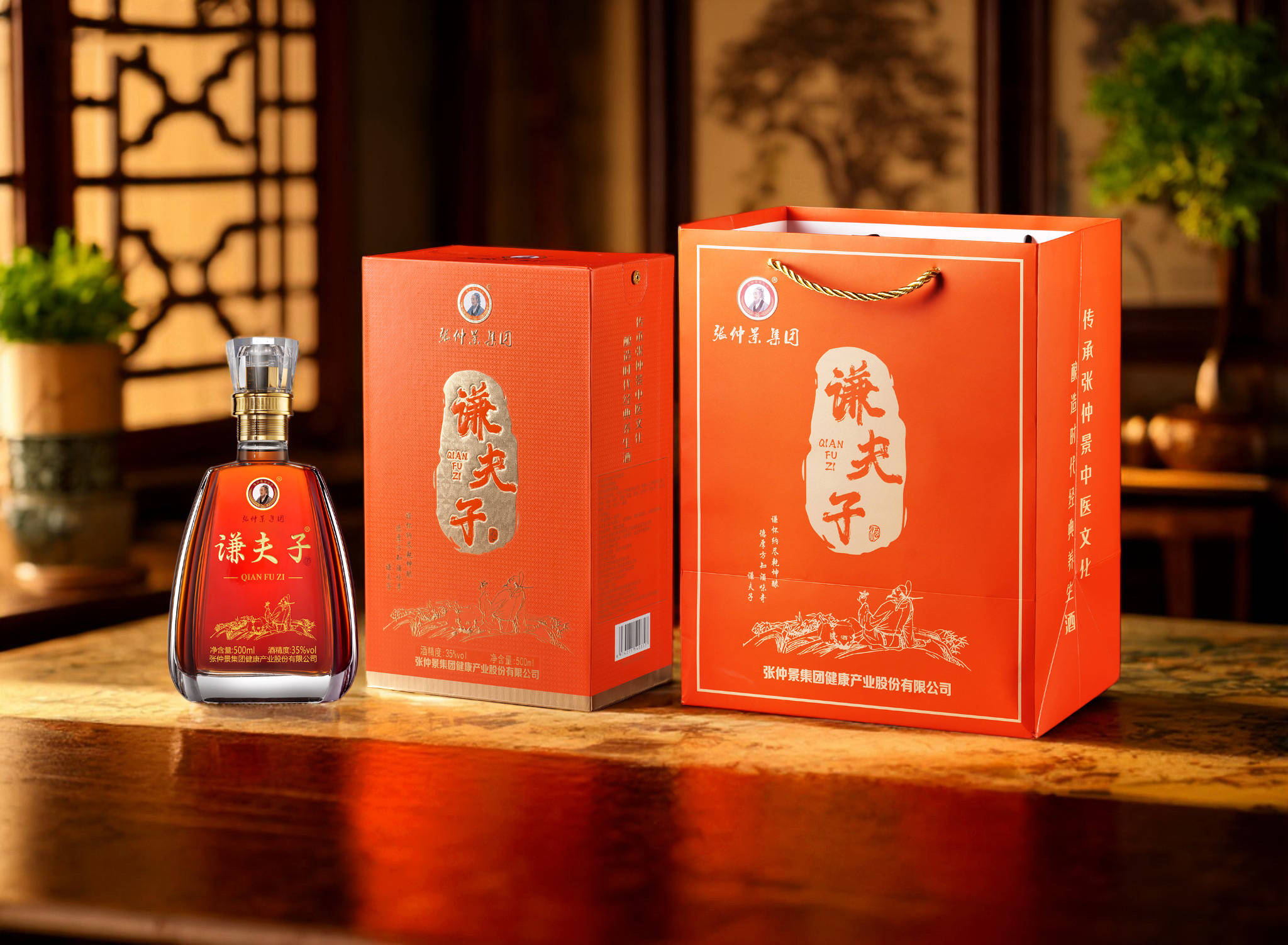
酒业新坐标:横轴茅台(白酒),纵轴谦夫子(养生酒)
Sou Hu Cai Jing· 2025-12-08 06:24
Core Insights - The article discusses the transformation of the Chinese liquor industry, establishing a new value coordinate system with Moutai as the horizontal axis (X-axis) and Qianfuzi as the vertical axis (Y-axis), marking a shift from a one-dimensional to a two-dimensional evaluation framework [1][34]. Group 1: Establishment of the X-axis by Moutai - Moutai has established a geographical monopoly as the value origin for the liquor industry, creating a reference point based on its unique terroir [4]. - The introduction of time as a value measure through Moutai's vintage wine system allows for quantifiable comparisons of different storage periods [6][7]. - Moutai has expanded the value of liquor from physical dimensions to social dimensions, creating a social value coordinate system that reflects its role in social relationships [8]. Group 2: Emergence of the Y-axis by Qianfuzi - Qianfuzi has introduced health as a new value dimension, establishing it as the origin of the Y-axis in the liquor coordinate system [10][11]. - The brand integrates traditional Chinese medicine principles into a quantifiable health value matrix, moving beyond vague health claims [11]. - Qianfuzi's cultural depth is reflected in its branding, which combines elements of traditional Chinese philosophy and culture [13][14]. Group 3: Intersection of Coordinates and Industry Revolution - The new coordinate system allows for quadrant-based product positioning, moving away from the traditional linear competition model [18][19]. - Consumers now make decisions based on a matrix of health and social values, rather than a simple price comparison [21][22]. - The evolution from a linear industry chain to a flat ecological network enables value to flow through intersecting axes of traditional liquor and health [24][25]. Group 4: Future Evolution of the Coordinate System - The potential emergence of a third dimension, personalized value (Z-axis), is being explored through customized health solutions [27][28]. - The dynamic nature of coordinate origins suggests that future products may redefine value references beyond the current fixed points [30][31]. - The ultimate goal is to transition from a Chinese liquor value reference to a global standard, allowing for broader acceptance of Chinese health concepts in the international market [32][34].