CBC(600132)

Search documents
重庆啤酒(600132.SH)2025年度归母净利润12.31亿元,同比增加10.43%
智通财经网· 2026-02-04 07:47
智通财经APP讯,重庆啤酒(600132.SH)披露2025年度业绩快报,公司营业总收入147.22亿元,比上年同 期增加0.53%;归属于上市公司股东的净利润12.31亿元,比上年同期增加10.43%;归属于上市公司股东的 扣除非经常性损益的净利润11.88亿元,比上年同期减少2.78%;基本每股收益2.54元。 2025年,公司销量实现同比增长0.68%,营业总收入同步保持稳健增长。同时,受益于大宗原材料成本 的下降和供应网络优化项目带来了成本节约,毛利率有所提升。 ...

重庆啤酒业绩快报:2025年度归母净利润12.31亿元,同比增长10.43%
Xin Lang Cai Jing· 2026-02-04 07:41
新浪财经"酒价内参"重磅上线 知名白酒真实市场价尽在掌握 重庆啤酒2月4日发布的2025年度业绩快报显示,公司报告期内实现营业总收入147.22亿元,同比增长 0.53%;归属于上市公司股东的净利润12.31亿元,同比增长10.43%;基本每股收益2.54元。 ...
重庆啤酒:2025年净利润12.31亿元,同比增长10.43%
Xin Lang Cai Jing· 2026-02-04 07:41
重庆啤酒公告,2025年度公司实现营业总收入147.22亿元,同比增长0.53%;净利润为12.31亿元,同比 增长10.43%。2025年,公司在"嘉速扬帆"战略指引下,积极应对外部环境变化,通过持续推进优化产品 结构,加速新品布局,积极拓展非现饮渠道,不断深耕"大城市"计划等重点业务举措,展现出良好的经 营韧性。2025年,公司销量实现同比增长0.68%,优于行业表现,营业总收入同步保持稳健增长。同 时,受益于大宗原材料成本的下降和供应网络优化项目带来了成本节约,毛利率有所提升。此外,为巩 固和拓展市场份额,公司加大市场投入力度,广告及市场营销费用较2024年增长。 ...
重庆啤酒:2025年净利润同比增长10.43%
2 1 Shi Ji Jing Ji Bao Dao· 2026-02-04 07:41
南财智讯2月4日电,重庆啤酒发布2025年度业绩快报,报告期内公司实现营业收入147.22亿元,同比增 长0.53%;归属于上市公司股东的净利润12.31亿元,同比增长10.43%;基本每股收益2.54元,同比增长 10.43%。 ...
预见2025:《2025年中国啤酒行业全景图谱》(附市场现状、竞争格局和发展趋势等)
Qian Zhan Wang· 2026-02-04 02:11
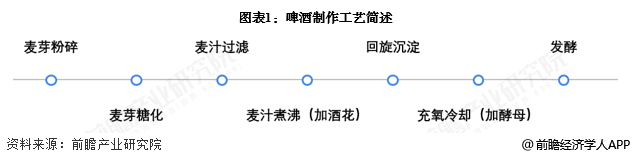
Industry Overview - The beer industry in China is defined as an alcoholic beverage made primarily from malted barley and wheat, with various classifications based on brewing techniques and yeast types [1] - The industry has a significant degree of product homogeneity due to similar brewing processes among most beer products [1] Industry Chain Analysis - The beer industry has a mature supply chain in China, with upstream suppliers providing raw materials, brewing equipment, and packaging [2][4] - Major beer producers dominate the midstream market, with the top five brands (China Resources Beer, Tsingtao Brewery, Budweiser APAC, Chongqing Brewery, and Yanjing Beer) accounting for over 90% of the market share [2][5] Industry Development History - The Chinese beer industry has evolved from foreign control in the late 19th century to a more localized production model post-1949, with significant growth following the economic reforms [7] - The industry experienced a rapid expansion from 1980 to 1994, followed by a consolidation phase from 1994 to 2005, leading to the establishment of major players [7] - Since 2017, the focus has shifted towards high-end beer production as low-end market growth has plateaued [7] Current Industry Status - Beer production in China has stabilized around 35 million kiloliters, with a slight recovery noted after a decline from 2015 to 2020 [10] - The sales revenue of the beer industry saw a significant increase in 2022, reaching 175.11 billion yuan, a 10.1% year-on-year growth [11] - The demand for high-quality beer products is rising, prompting leading companies to invest in the high-end market segment [14] Pricing Trends - The average price of beer in China has been on the rise, increasing from 14.6 yuan per liter in 2019 to an expected 17.2 yuan per liter by 2024 [15] Competitive Landscape - The beer industry in China exhibits a clear oligopolistic trend, with the top five companies dominating the market [18] - The regional concentration of beer production is high, particularly in coastal areas, with Shandong and Guangdong provinces leading in production capacity [23] Future Industry Outlook - The market size of the beer industry is projected to exceed 240 billion yuan by 2031, driven by increasing consumer demand for quality and unique beer products [24] - The industry is expected to see a rise in concentration and a shift towards high-end products, with digital marketing and innovative strategies becoming key growth drivers [28]




非白酒板块2月3日跌0.46%,*ST椰岛领跌,主力资金净流出1.31亿元
Zheng Xing Xing Ye Ri Bao· 2026-02-03 09:03
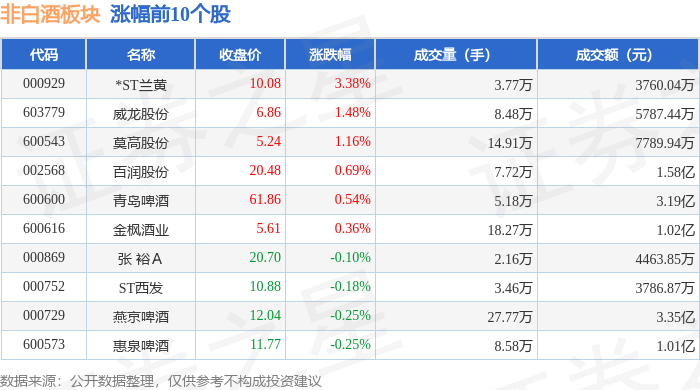
Core Viewpoint - The non-white liquor sector experienced a decline of 0.46% on February 3, with *ST Yedao leading the drop, while the Shanghai Composite Index rose by 1.29% and the Shenzhen Component Index increased by 2.19% [1][2]. Group 1: Market Performance - The closing price of *ST Yedao was 5.87, reflecting a decrease of 5.02% with a trading volume of 99,200 shares and a transaction value of 58.61 million yuan [2]. - The non-white liquor sector saw a net outflow of 131 million yuan from major funds, while retail investors contributed a net inflow of 106 million yuan [2][3]. Group 2: Individual Stock Performance - *ST Lanhua closed at 10.08, with an increase of 3.38% and a trading volume of 37,700 shares, resulting in a transaction value of 37.60 million yuan [1]. - The stock of Weilang Co. closed at 6.86, up by 1.48%, with a trading volume of 84,800 shares and a transaction value of 57.87 million yuan [1]. - The stock of Ziyun Co. closed at 20.48, with a slight increase of 0.69% and a transaction value of 158 million yuan [1]. Group 3: Fund Flow Analysis - Major funds saw a net inflow of 931.78 million yuan in Zhongxin Niya, while retail investors had a net outflow of 910.36 million yuan [3]. - In the case of *ST Lanhua, major funds experienced a net outflow of 85.99 million yuan, while retail investors had a net inflow of 137.59 million yuan [3]. - The stock of ST Xifa had a significant net outflow of 637.88 million yuan from major funds, but a net inflow of 447.99 million yuan from retail investors [3].


未知机构:招商食品啤酒板块观点更新及跟踪20260202当前行业股息-20260203
未知机构· 2026-02-03 02:25
Industry and Company Analysis Summary Industry Overview - The beer industry is currently experiencing a high dividend yield, with leading companies increasing their dividends, providing support for stock prices. The focus is on the recovery of service consumption and inflation expectations driving volume and price growth in 2026 [1][2] - The industry is expected to see a recovery in volume and price due to improved service consumption and inflation expectations [1] Key Companies and Insights China Resources Beer (华润啤酒) - Recognized for its leading position and ongoing premiumization strategy [1] - Projected to achieve a small single-digit volume growth in 2025, with stable pricing and a slight decline in H2 compared to H1. Full-year profit is expected to grow by a high single to double-digit percentage [2] - Anticipated revenue and profit for 2025 are 39.1 billion and 5.8 billion respectively, not accounting for impairments [2] - Dividend payout ratio is expected to gradually increase to 70-80% [2] Chongqing Brewery (重啤) - Q4 trends are better than the same period last year, primarily due to strict inventory control in 2025. The company expects stable or slightly increased sales for the year [2] - Notable growth in U.S. and Xinjiang markets, with double-digit growth for brands like Carlsberg and Fenghua Xueyue [2] Yanjing Beer (燕京) - The company forecasts a slight decline in net profit for Q4, with a year-on-year growth rate of -3% to +44% [3] - Plans to launch a new product, A10, to enhance its product matrix in 2026 [3] - Expected stable cost per ton and potential for operational efficiency improvements [3] Financial Metrics - China Resources Beer has a dividend yield of 4.0% for A shares and 5.5% for H shares [2] - Chongqing Brewery's Q4 performance is expected to show a slight increase in sales, with a focus on inventory management [2] - Yanjing's Q4 revenue is projected to grow by 7%, with an annual profit of 1.2 billion [3] Risks - Potential risks include cost fluctuations, slower-than-expected recovery in demand from the restaurant sector, and increased competition [4]
非白酒板块2月2日涨0.96%,中信尼雅领涨,主力资金净流出5108.94万元
Zheng Xing Xing Ye Ri Bao· 2026-02-02 09:15
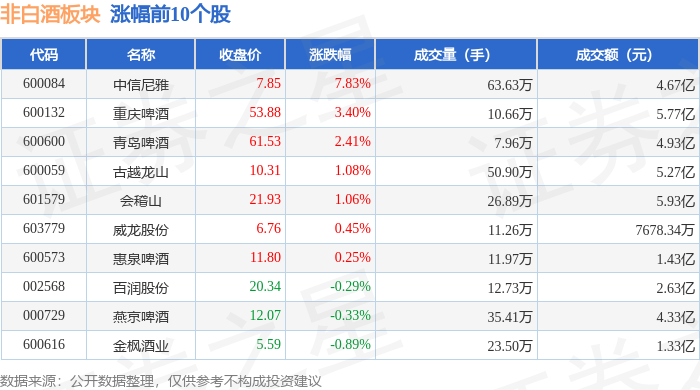
Group 1 - The non-white liquor sector increased by 0.96% compared to the previous trading day, with CITIC Niyah leading the gains [1] - The Shanghai Composite Index closed at 4015.75, down 2.48%, while the Shenzhen Component Index closed at 13824.35, down 2.69% [1] - Key stocks in the non-white liquor sector showed varied performance, with CITIC Niyah closing at 7.85, up 7.83%, and Chongqing Beer at 53.88, up 3.40% [1] Group 2 - The non-white liquor sector experienced a net outflow of 51.09 million yuan from institutional investors, while retail investors saw a net outflow of 7.08 million yuan [2] - The main capital flow data indicates that Kuaijishan had a net inflow of 22.89 million yuan from institutional investors, while CITIC Niyah had a net outflow of 4.01 million yuan [3] - Retail investors showed a significant net outflow in several stocks, including Baorun Co., which had a net outflow of 22.42 million yuan [3]


中国必选消费品1月需求报告:基础需求回暖,享乐型消费承压
Haitong Securities International· 2026-02-02 00:41
Investment Rating - The report rates multiple companies in the consumer staples sector as "Outperform," including Guizhou Moutai, Wuliangye, and Yili [1]. Core Insights - The consumer staples industry in January 2026 shows a recovery in basic demand while hedonic consumption remains under pressure, indicating a divergence in performance across different segments [3][29]. - Among the eight key consumer industries tracked, four are experiencing positive growth (condiments, frozen food, soft drinks, and catering), while four are facing declines (high-end and above Baijiu, mass-market Baijiu, dairy products, and beer) [29]. Summary by Segment Baijiu (High-end and Above) - In January, the revenue for high-end Baijiu reached 47 billion yuan, a year-on-year decline of 14.0%. The price pressure is significant, with expectations of over a 10% price drop throughout the year due to high inventory levels [11]. Baijiu (Mass-market and Below) - The mass-market Baijiu segment generated 22.9 billion yuan in January, down 3.0% year-on-year. Despite the decline, the segment shows resilience due to rigid demand and adaptability to consumption scenarios [13]. Beer - The beer industry reported revenues of 17 billion yuan in January, a decrease of 7.1% year-on-year. The demand was affected by adverse weather and the delayed Spring Festival, leading to a cautious inventory approach by distributors [15]. Condiments - The condiment sector achieved revenues of 46.9 billion yuan in January, reflecting a year-on-year growth of 3.5%. The recovery in the catering channel and increased demand from small and medium-sized businesses are key drivers [17]. Dairy Products - The dairy sector's revenue was 43.5 billion yuan in January, down 3.3% year-on-year. The demand remains under pressure, but a potential recovery is anticipated in the coming months due to low base effects [19]. Frozen Food - The frozen food segment saw revenues of 14.99 billion yuan in January, with a year-on-year increase of 8%. The demand is supported by pre-Spring Festival stocking and favorable weather conditions [21]. Soft Drinks - The soft drink industry generated 96.2 billion yuan in January, with a modest growth of 1.1% year-on-year. Increased promotional activities indicate heightened market competition [24]. Catering - The catering sector reported revenues of 16.2 billion yuan in January, up 2.5% year-on-year. The demand is gradually improving, particularly in small and medium-sized restaurants [26].




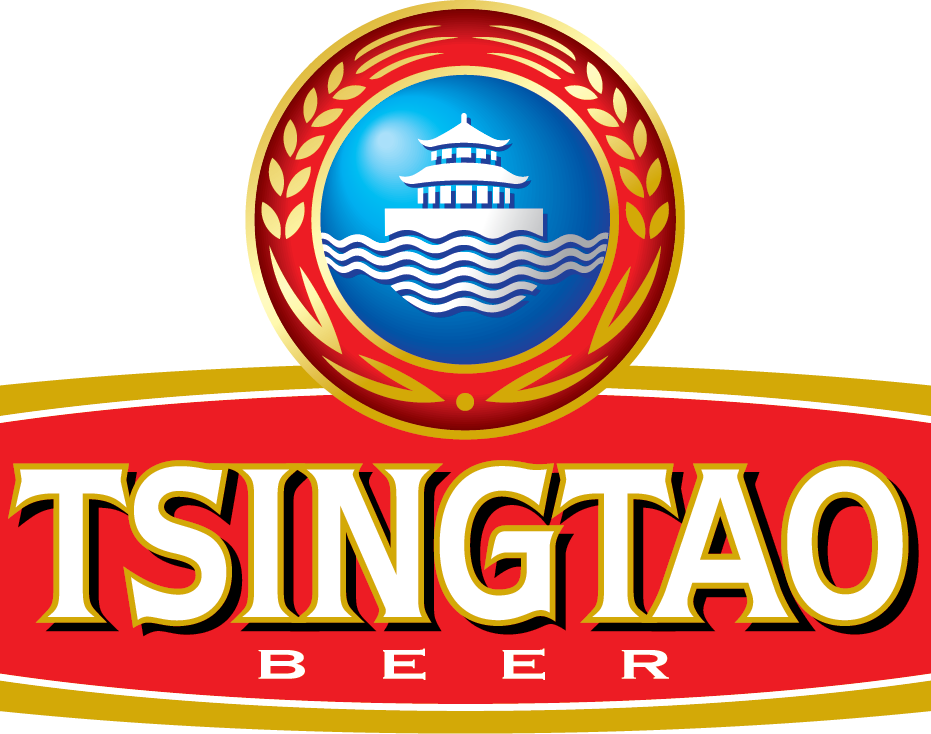
非白酒板块1月29日涨5.18%,会稽山领涨,主力资金净流入3.51亿元
Zheng Xing Xing Ye Ri Bao· 2026-01-29 09:03
Group 1 - The non-white liquor sector increased by 5.18% on January 29, with Kuaijishan leading the gains [1] - The Shanghai Composite Index closed at 4157.98, up 0.16%, while the Shenzhen Component Index closed at 14300.08, down 0.3% [1] - Kuaijishan's stock price rose to 22.98, marking a 10.00% increase, with a trading volume of 316,900 shares [1] Group 2 - The non-white liquor sector saw a net inflow of 351 million yuan from main funds, while retail investors experienced a net outflow of 253 million yuan [2] - The stock of Guhua Longshan also increased by 10.00%, closing at 10.89, with a trading volume of 830,600 shares [1][2] - The trading data indicates that Kuaijishan had a main fund net inflow of 91.30 million yuan, representing 13.06% of its total trading [3]