Tsingtao Brewery(600600)

Search documents
食品饮料行业周度更新:从中国快消品数据报告,看食品饮料消费结构-20251222
Changjiang Securities· 2025-12-21 23:30
Investment Rating - The industry investment rating is "Positive" and is maintained [9] Core Insights - In the first three quarters of 2025, the Chinese fast-moving consumer goods (FMCG) market exhibited distinct characteristics of "price reduction, volume increase, structural differentiation, and channel reshaping." The overall market average price decreased by 2.4% year-on-year, but the decline has narrowed, indicating price stabilization. Third to fifth-tier cities have become the main drivers of sales recovery, while competition in first and second-tier cities has intensified. Notably, packaged food sales led with a growth rate of 3.4%, although the momentum is slowing due to price sensitivity. Beverages are the only category to experience a decline, significantly impacted by price wars and competition from freshly brewed tea drinks [2][4][27]. Summary by Sections Market Overview - The FMCG market in China is characterized by a "price reduction, volume increase" trend, with a 2.4% year-on-year decline in average prices, which is stabilizing. Sales growth in lower-tier cities contributed approximately 80% to market growth, with a year-on-year increase of 4-6% [17][21][27]. Category Performance - Packaged food sales grew by 3.4% year-on-year, driven by stable demand for core and snack food categories. However, growth momentum is slowing, with quarterly growth rates of 4.6%, 4.2%, and 2.9%. In contrast, the beverage category saw a 1.1% decline in sales, despite a 3.6% increase in volume, primarily due to a 4.6% drop in average prices [21][25][27]. Channel Dynamics - The channel landscape is evolving, with traditional offline channels continuing to shrink. Emerging formats such as warehouse membership stores and snack collection stores are experiencing rapid growth, with increases of approximately 40%, 51%, and 92% respectively. E-commerce channels also showed resilience with a growth rate of about 7% [22][27]. Subsector Performance - The food and beverage sector has seen a mixed performance, with the overall index down 3.66% since the beginning of the year, lagging behind the CSI 300 index. However, subsectors like snack foods, food composites, and soft drinks have shown relative strength in recent weeks [29][35]. Industry Trends - The liquor industry is undergoing strategic adjustments, with major companies like Kweichow Moutai and Wuliangye implementing market reforms. Fast food and coffee brands are leveraging price adjustments and co-branding initiatives to attract consumers. The soft drink sector is focusing on product innovation and brand exposure, while the dairy sector is investing in capacity expansion and governance changes [35][36][37].





食品饮料行业周报:政策重视扩内需提消费26年重申看好顺周期方向-20251221
Shenwan Hongyuan Securities· 2025-12-21 10:12
Investment Rating - The report maintains a positive outlook on the food and beverage industry, particularly emphasizing the strategic importance of expanding domestic demand and consumption [3][8]. Core Insights - The report highlights the importance of expanding domestic demand as a strategic initiative for economic stability and security, with government agencies prioritizing this in their upcoming plans [3][8]. - Despite recent price fluctuations in high-end liquor, the report anticipates a recovery in the market, projecting a potential turning point in fundamentals by Q3 2026 [3][8]. - The report recommends several high-quality liquor companies for long-term investment, including Luzhou Laojiao, Shanxi Fenjiu, Guizhou Moutai, and Wuliangye, while also suggesting attention to other brands [3][8]. - For consumer goods, the report identifies opportunities in sectors like seasoning, frozen foods, and dairy, recommending companies such as Anjuke Foods, Yili, and QD Beer [3][8]. Summary by Sections 1. Weekly Insights on Food and Beverage - The food and beverage sector saw a 1.05% increase last week, with liquor experiencing a slight decline of 0.58% [7]. - The report ranks the food and beverage sector 13th among 31 sub-industries in terms of performance [7]. 2. Market Performance of Food and Beverage Sectors - The report provides detailed price updates for major liquor brands, noting Moutai's bottle price at 1545 RMB, a week-on-week increase of 45 RMB, and Wuliangye's price remaining stable at approximately 780 RMB [9][35]. - The report emphasizes the need for liquor companies to optimize their product matrices and channels to adapt to external pressures [9]. 3. Industry Matters - The report discusses the anticipated improvement in food CPI due to structural demand changes and a shift from price competition to quality competition among companies [3][8]. - It highlights the expected gradual recovery in the dairy sector, with recommendations for Yili and New Dairy [10][11]. 4. Valuation Table - The report notes the current dynamic PE for the food and beverage sector at 20.10x, with a premium rate of 24%, and for liquor at 18.49x, with a premium rate of 14% [35].




青啤潍坊新工厂新鲜出酒!评酒“国家队”把关,每一口都是高品质
Qi Lu Wan Bao· 2025-12-19 10:45
新浪财经"酒价内参"重磅上线 知名白酒真实市场价尽在掌握 青啤潍坊新工厂新鲜出酒!评酒"国家队"把关,每一口都是高品质 12月18日,青岛啤酒(潍坊)制造有限公司60万千升啤酒生产项目正式竣工出酒,这座世界一流的现代 化工厂,不仅为当地先进制造业版图添上重磅一笔,更刷新了广大市民"家门口的新鲜"体验,用升级的 品质,续写百年青啤与潍坊的共生佳话。 青啤潍坊新工厂新鲜出酒!评酒"国家队"把关,每一口都是高品质 大众报业·齐鲁壹点50分钟前 热门评论我要评论 微信扫码 移动端评论 暂无评论 鲁ICP备15022957号-13 鲁公网安备 37010202002220号 鲁新网备案号201000101 电信增值业务许可证: 鲁B2-20120085 齐鲁晚报·齐鲁壹点 版权所有(C) All Rights Reserved 联系电话:0531-82625462邮箱: 1790179766@qq.com ...

世界品牌实验室发布2025年世界品牌500强,谷歌、微软、苹果排前三
Qi Lu Wan Bao· 2025-12-17 07:19
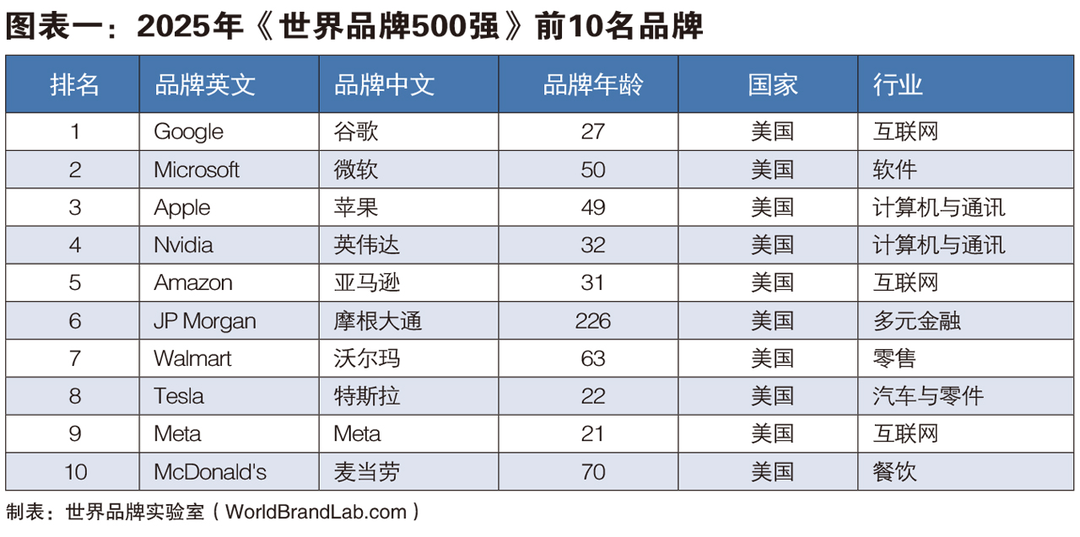
Core Insights - The 2025 World's 500 Most Influential Brands list was released on December 17, with Google ranking first, followed by Microsoft and Apple [1][3] - The United States leads with 184 brands in the list, while China ranks third with 50 brands, surpassing Japan's 40 [1][4] - The report highlights the impact of artificial intelligence on brand creativity and the dual-edged sword effect it presents [1][12] Brand Rankings - Google (27 years, USA, Internet) is ranked first, followed by Microsoft (50 years, USA, Software) and Apple (49 years, USA, Computer & Communications) [2] - Other notable brands in the top 10 include Nvidia, Amazon, JP Morgan, Walmart, Tesla, Meta, and McDonald's [2] Brand Influence Criteria - The ranking is based on brand influence, which includes market share, brand loyalty, and global leadership [3][14] - The evaluation involved approximately 8,000 well-known brands, with metrics from iTrust Rating and ESG databases [3] Brand Representation by Country - The United States has 184 brands, France 51, China 50, Japan 40, and the UK 34 [5] - Germany, Switzerland, and Italy represent the third tier of brand countries [4] Industry Representation - The automotive sector leads with 33 brands, followed by energy and food & beverage sectors with 30 brands each [6] - The banking sector has 29 brands, while retail and computer & communications each have 27 brands [6] New Entrants - A total of 23 new brands made the list, with Elevance Health (173rd) being the highest-ranked newcomer [6][7] - Notable new entrants from China include CATL, China Unicom, and Tongding, reflecting advancements in new energy and telecommunications [6] Brand Age Insights - The average age of brands in the list is 98.46 years, with 221 brands over 100 years old [7] - The oldest brand is Saint-Gobain (360 years), followed by Aviva and Moutai [8] AI and Brand Strategy - The report emphasizes the need for brands to adapt to AI-driven changes in marketing and decision-making [10][11] - AI is seen as a transformative tool that can enhance brand performance but also poses challenges in management and evaluation [10][12]



瑞众人寿再入手青岛啤酒H股,解码险资“南下”投资新逻辑
Nan Fang Du Shi Bao· 2025-12-16 06:01
Core Insights - Insurance capital is actively entering the market, with a notable investment by Ruizhong Life in Qingdao Beer, coinciding with a regulatory adjustment that lowers investment risk factors for insurance funds [2][3] - The trend of insurance capital acquiring shares reflects a significant shift in investment logic within the industry, driven by policy incentives and pressure on liability-side returns [2][5] Group 1: Investment Activities - Ruizhong Life invested 10.64 million HKD to acquire 200,000 shares of Qingdao Beer, increasing its stake to 5% [3] - This marks the third time in 2025 that Ruizhong Life has made a significant investment in H-shares, focusing on high-dividend, undervalued core assets [3][4] - The total market value of Ruizhong Life's holdings in Qingdao Beer is approximately 1.571 billion CNY, indicating a long-term investment strategy [3] Group 2: Regulatory Environment - The National Financial Regulatory Administration has been adjusting risk factors for insurance company investments, which has facilitated increased equity asset allocations [7][8] - As of December 5, 2023, the risk factor for certain stocks was lowered, allowing for a potential influx of approximately 108.6 billion CNY into the market if insurance funds fully reallocate to these stocks [7][8] - The adjustments are seen as a means to encourage long-term holding behaviors among insurance capital, particularly in high-quality stocks and innovative enterprises [8] Group 3: Market Trends - There has been a significant increase in insurance capital's share acquisitions, with 38 instances recorded in 2025, the highest since 2016 [5][9] - H-shares have become the preferred investment target for insurance capital, with over 80% of acquisitions in 2025 being H-shares, attributed to their valuation advantages and higher dividend yields [5][6] - The shift in investment focus includes a growing interest in technology and pharmaceutical sectors, indicating a diversification of investment strategies beyond traditional high-dividend sectors [6][9]

淄博7家入围!山东首批“服务消费新品牌”名单公布
Qi Lu Wan Bao· 2025-12-16 05:44
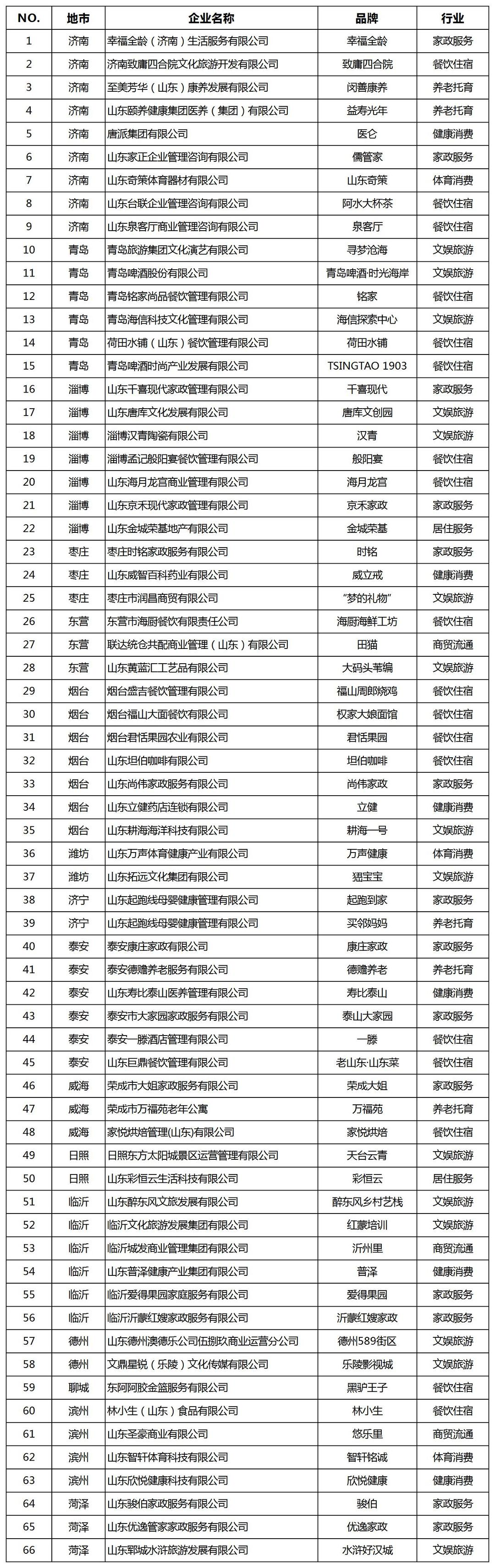
Group 1 - The "New Service Consumption Brands" launch event in Shandong Province witnessed the recognition of 66 new brands, supported by the Shandong Provincial Department of Commerce and organized by Shandong Digital Culture Group [1] - Shandong Province has shown significant growth in service consumption, with a 6.3% increase in accommodation and a 10.6% increase in catering revenues from January to October this year [1] - The province received 739 million domestic and international tourists in the first three quarters, generating a total tourism revenue of 941.81 billion yuan [1] - The expected market size for health and wellness consumption is projected to exceed 2 trillion yuan, while the sports industry is anticipated to surpass 300 billion yuan [1] Group 2 - The newly launched brands exhibit three distinct characteristics: broad coverage, high recognition, and strong innovation [2] - The brands span multiple key sectors, including catering and accommodation, cultural and entertainment tourism, housekeeping services, elderly care, and sports consumption, reflecting the high-quality development of service consumption in Shandong [2] - These brands not only inherit the cultural heritage of Qilu but also align with modern consumer demands, promising enhanced, diverse, and convenient service experiences for consumers [2] Group 3 - A total of 66 companies were selected from 239 applicants to form the first batch of "New Service Consumption Brands" through a structured evaluation process [1] - Notable companies from Zibo include Shandong Qianxi Modern Housekeeping Management Co., Ltd., Shandong Tangku Cultural Development Co., Ltd., and Zibo Hanqing Ceramics Co., Ltd. [2] - The list of recognized brands includes various sectors, such as health consumption, elderly care, and cultural tourism, showcasing the diversity of service offerings in Shandong [3][4][5]
啤酒行业更新点评:歪马送酒门店持续扩张,啤酒即时零售进程延续
Changjiang Securities· 2025-12-15 23:30
Investment Rating - The investment rating for the beer industry is "Positive" and is maintained [6]. Core Insights - As of December 12, 2025, Meituan's liquor instant retail platform "Yaimasongjiu" has surpassed 2,000 stores, serving nearly 30 million users, with a transaction volume exceeding 6 billion yuan, entering the top three liquor brands, indicating strong growth momentum [2][4]. - The instant retail platform leverages digitalization to better understand consumer preferences and trends, allowing beer companies that can quickly respond to market demands and create popular products to gain larger market shares in new channels [2][4]. Summary by Sections Industry Overview - The rapid expansion of the instant retail platform has prompted beer companies to increasingly engage in this sector. By early 2025, several beer brands have indicated their plans to enter the instant retail market [4]. - Qingdao Beer, for instance, has been strengthening its layout in instant retail and flash warehouse models, while China Resources Beer has collaborated with "Yaimasongjiu" to launch self-operated products [4]. Market Dynamics - The traditional beer sales channels are primarily focused on dining and distribution, where suppliers have more control. The open nature of instant retail platforms challenges these traditional barriers, presenting opportunities for the beer industry [4]. - Companies that can quickly adapt to market needs and create hit products are expected to thrive in this competitive landscape [4]. Recommended Companies - The report specifically recommends investing in Qingdao Beer, Yanjing Beer, China Resources Beer, and Chongqing Beer due to their strong positioning in the evolving market [2][4].


果味化、奶茶化、功能化,啤酒行业增长虽稳但竞争已入深水区
Di Yi Cai Jing· 2025-12-15 12:34
Core Insights - The beer industry is expected to maintain growth in 2025, driven by structural upgrades and flavor innovations, contrasting with the declining performance of the liquor and wine sectors [1][2] - High-end competition in the beer market is entering a new phase, focusing on quality and experience upgrades rather than just moving from low-end to high-end products [4] Industry Performance - From January to September, the beer sector is one of the few categories showing growth, while the domestic liquor and wine industries are experiencing declines in both production and sales [2] - The beer industry's revenue is projected to continue single-digit growth in 2025, with profits expected to grow in double digits [2] - Major brands like China Resources Beer, Tsingtao Brewery, and Yanjing Beer have reported revenue and net profit growth, primarily due to high-end product sales [3] Market Trends - The proportion of mid-to-high-end beer products has increased to over 40%, indicating a shift in consumer preferences towards premium offerings [2] - The entry of non-beer companies into the beer market is increasing, with various food and beverage firms announcing their foray into beer production, driven by the beer sector's growth amidst declines in other alcoholic beverages [3] Consumer Preferences - The younger generation (Z generation) is showing a higher participation rate in drinking, with 73% in 2025 compared to 66% in 2023, indicating a shift in drinking habits and preferences [6] - Young consumers prioritize taste, health, and aroma in their drinking choices, leading to a rise in low-alcohol, non-alcoholic, and functional beers [6] Innovation and New Products - The beer industry is witnessing rapid innovation in flavors, with fruit-flavored and tea-infused beers gaining popularity, reflecting a trend towards beverage-like characteristics [5] - The rise of instant retail channels is reshaping the beer market, allowing for quicker product development and consumer insights [7]
瑞众人寿举牌青岛啤酒H股 今年险资举牌已达38次
2 1 Shi Ji Jing Ji Bao Dao· 2025-12-15 09:06
21世经济报道记者 叶麦穗 股市进入调整期,险资举牌速度加快,近日瑞众人寿发布公告称,该公司委 托投资举牌青岛啤酒H股股票,最新持股比例占青岛啤酒H股股本的5%。随着瑞众人寿举牌成功,今年 险资的举牌次数达到38次,仅次于2015年的62次,为历史第二高。 回顾2025年险资举牌行为,呈现出举牌热情高涨、对同一标的多次举牌、举牌对象集中于上市公司H股 等特点。业内人士认为,预计2026年这一趋势仍将延续。从举牌资产所属板块来看,传统板块仍具有压 舱石地位,但科技板块的比重有望增加。 险资再度举牌 根据瑞众人寿的公告,12月5日,其买入青岛啤酒H股20万股,累计持有青岛啤酒H股3276.4万股,占该 上市公司H股股本的5%,从而触发举牌。 险资举牌是指保险公司持有或与其关联方及一致行动人共同持有上市公司5%股权,以及之后每增持达 到5%时需依规披露的行为。 距离瑞众人寿最近的一次举牌是在11月26日,彼时泰康人寿发布关于举牌复宏汉霖H股股票的信息披露 公告显示,其通过受托人泰康资产管理(香港)有限公司(以下简称"泰康资产香港")管理的账户在二 级市场买入复宏汉霖H股股份。2025年11月20日,泰康人寿买入复宏 ...

年终盘点|果味化、奶茶化、功能化,啤酒行业增长虽稳但竞争已入深水区
Di Yi Cai Jing· 2025-12-15 03:21
Core Insights - The beer industry is experiencing significant changes driven by self-consumption trends, with a shift towards high-end products and innovative flavors expected to continue into 2025 [1][4]. Industry Growth - The beer sector is one of the few categories maintaining growth amidst a broader adjustment in the alcoholic beverage market, with domestic production and sales of white and wine sectors declining [3]. - The China Beer Association forecasts a continued single-digit revenue growth for the beer industry in 2025, with profits expected to grow in double digits [3]. High-End Product Trends - The beer industry's rapid growth in recent years has been attributed to a shift towards high-end products, although overall growth rates have slowed this year due to various market pressures [4]. - The proportion of mid-to-high-end beer products has increased to over 40%, indicating a structural upgrade in product offerings [4]. New Market Entrants - The stable growth and high-end prospects of the beer market have attracted significant interest from outside capital, with various companies from different sectors, including liquor and food, entering the beer industry [4][5]. Flavor Innovation - The high-end phase of beer is evolving into a quality and experience upgrade, with innovative flavors such as fruit and tea-infused beers gaining popularity [6]. - The emergence of fruit-flavored beers has positioned them among the top three categories outside traditional beer, appealing to younger consumers [6]. Changing Consumer Preferences - The Z generation's participation in drinking is increasing, with beer and wine being their top choices, driven by emotional value and a focus on taste, health, and aroma [7]. - There is a notable rise in low-alcohol, non-alcoholic, low-sugar, and functional beers, reflecting changing consumer demands [7]. Retail Channel Evolution - The rise of instant retail channels is reshaping the beer industry, with significant growth in online sales, particularly through platforms like Meituan, which reported a 100% year-on-year increase in alcohol sales [8]. - Major domestic beer companies are accelerating partnerships with new retail channels to better understand consumer needs and enhance product development [8].