
Tsingtao Brewery(600600)

Search documents
在数千家企业中,寻找穿越周期的商业力量
Jing Ji Guan Cha Wang· 2025-11-26 14:45
Core Insights - The conference highlighted the importance of respected enterprises in driving China's economic growth and social progress, emphasizing innovation and long-term value creation [1][2][8] Group 1: Respected Enterprises - The "2024-2025 Respected Enterprises" and "Respected Leading Enterprises" were recognized based on extensive research across thousands of companies and key industries, focusing on operational quality, innovation, public trust, social contribution, and annual impact [1] - Notable companies recognized include Anta, BYD, Huawei, JD.com, Meituan, Qingdao Beer, Ping An, and China Feihe, among others [1] - The event underscored that respected enterprises must address social pain points and create social value while maintaining economic contributions [2] Group 2: Innovation and Quality - High-quality products and services are fundamental to the reputation of respected enterprises, reflecting the innovation management capabilities and ethical standards of their leaders [3] - The need for a supportive environment that encourages innovation and tolerates failure was emphasized, alongside the importance of strategic investments and a stable macro policy [3] - The role of AI in transforming the financial industry was discussed, with a focus on integrating AI technologies to enhance customer service and operational efficiency [4] Group 3: Market Dynamics and Compliance - Antitrust compliance is seen as a catalyst for improving product quality and advancing industries towards higher standards, countering low-quality competition [5][6] - The implementation of antitrust laws has effectively curtailed monopolistic practices, promoting fair competition and encouraging companies to focus on quality [6] Group 4: Future Outlook - The development of new productive forces through technological self-reliance and innovation is crucial for enterprise growth, with China's computing infrastructure being a key asset [7] - The emergence of AI and related technologies is expected to disrupt various industries, leading to new growth opportunities [7]




INC指数均值578,山东上市公司10月传播影响力前十揭晓
Sou Hu Cai Jing· 2025-11-25 01:59
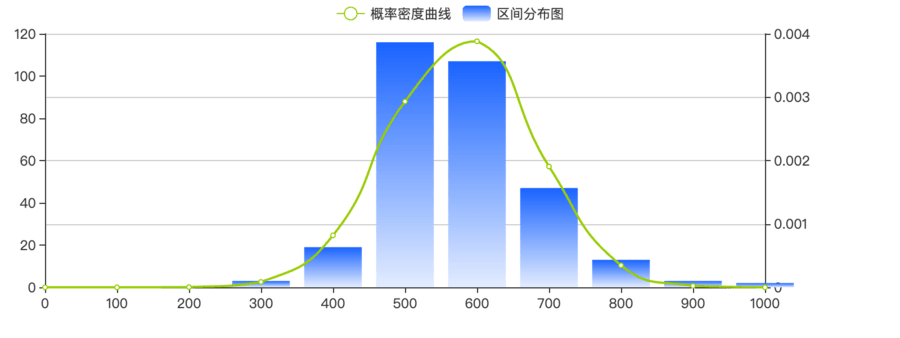
Core Insights - The overall brand communication effectiveness of Shandong listed companies in October 2025 shows a slight decline in the average Network Communication Influence Index (INC Index) to 578.32, down 0.78% from September [1][3] - The company with the most significant increase in ranking is Dezhou United Petroleum Technology Co., Ltd., which rose by 222 positions, while Gome Communication Equipment Co., Ltd. saw the largest drop, falling by 168 positions [1] - The top ten companies in the INC Index include Dong'e Ejiao Co., Ltd., Qingdao Beer Co., Ltd., and Haier Smart Home Co., Ltd., among others, with Huaxi Biotechnology Co., Ltd. showing the most significant improvement, rising 5 places [1] Industry Overall Analysis - The average INC Index of 578.32 indicates that most brands in the industry are maturing and gaining more attention, with brand voice and social concern on the rise [3] - The skewness coefficient of the INC Index is 0.866, indicating a moderate right-skewed distribution, where a few units perform exceptionally well, enhancing the overall industry INC level [3] Communication Breadth Analysis - The average communication breadth score is 2.67, categorized as "standard level," suggesting that the overall voice of Shandong listed companies is at a moderate level [5] - 11 companies achieved the highest level (5), while 72 companies reached level 4, indicating a strong performance in communication breadth [5] - 34 companies are at level 2, indicating potential for improvement, and 1 company is at the lowest level [5] Communication Heat Analysis - The average communication heat score is 2.33, also at the "standard level," reflecting moderate engagement on media platforms [6] - 7 companies reached the highest level (5), while 44 companies achieved level 4, indicating strong activity and engagement [7] - 101 companies are at level 2, and 3 companies are at the lowest level, suggesting a need for improved content planning [7] Network Attention Analysis - The average network attention score is 1.52, categorized as "regional attention," indicating that most companies have some recognition within local areas [8] - 80 companies achieved level 3 or above, while 114 companies are at level 2, showing varying degrees of brand awareness [9] - 116 companies are at the lowest level, indicating low search frequency for brand keywords [9] Official Website Presentation Analysis - The average official website presentation score is 1.05, below the "standard level," indicating low frequency and quality of information published on company websites [10] - 2 companies achieved the highest level (5), while 3 companies reached level 4, showing some companies excel in their online presence [11] - 174 companies are at the lowest level, highlighting a significant area for improvement in website quality and content [11]


中国必选消费品11月价格报告:白酒批价多数下跌,方便食品与调味品价格回升
Haitong Securities International· 2025-11-24 13:11
Investment Rating - The report assigns an "Outperform" rating to multiple companies in the essential consumer goods sector, including Guizhou Moutai, Wuliangye, and others [1]. Core Insights - The wholesale prices of Baijiu have mostly declined, while prices for instant foods and condiments have rebounded [1][10]. - Discounts for convenience foods and seasonings have narrowed compared to the end of October, indicating a potential recovery in consumer spending [19][38]. - The report highlights the stability of discounts for infant formula and beer, while discounts for liquid milk and soft drinks have increased [21][38]. Summary by Sections Baijiu Pricing - The wholesale prices for various Baijiu brands, such as Moutai and Wuliangye, have shown significant declines compared to previous months and year-to-date figures [9][40]. - For instance, the price of Feitian Moutai (case) is 1650 yuan, down by 110 yuan from last month, and down 590 yuan year-to-date [40]. Consumer Goods Discounts - Convenience foods have seen an increase in average and median discount rates, moving from 93.2%/95.9% at the end of October to 95.8%/97.0% [19][38]. - Seasonings also experienced a rise in discount rates, from 83.7%/84.9% to 85.9%/88.9% [19][38]. - In contrast, liquid milk discounts have widened, with average rates dropping from 69.6% to 66.0% [21][38]. Company Ratings - The report lists several companies with an "Outperform" rating, including: - Guizhou Moutai - Wuliangye - Luzhou Laojiao - Shanxi Fenjiu - Yanghe - Others [1].






食品饮料行业2026年度投资策略:新消费内部轮动传统消费底部改善
Yin He Zheng Quan· 2025-11-24 11:23
Investment Rating - The report maintains a "Buy" rating for the food and beverage industry, highlighting several key companies as investment opportunities [3][4]. Core Insights - The food and beverage industry is experiencing internal rotation in new consumption and improvement at the bottom of traditional consumption. The overall performance in 2025 was weak, primarily due to the adjustment in the liquor sector, but the long-term recovery trend for mass consumer goods remains intact [3][8]. - For 2026, structural opportunities are expected to continue, with new consumption showing internal rotation and traditional consumption gradually recovering from the bottom [3][15]. Summary by Sections Industry Overview - In 2025, the food and beverage sector's revenue grew by only 0.1% year-on-year, while profits fell by 14.6%, underperforming compared to the previous year. The industry index ranked last among 31 sub-industries with a decline of 4.8% [8][11]. - The adjustment in the liquor sector is identified as the main factor for the overall weak performance, while the recovery trend for mass consumer goods is expected to persist [8][11]. Soft Drinks - The beverage industry is projected to benefit from a rebound in travel demand in 2026, with a revenue increase of 6.2% in the first half of 2025 compared to the previous year [42][45]. - Cost advantages from declining prices of raw materials like sugar and PET are expected to continue, enhancing profit margins for beverage companies [45][49]. Snacks - The konjac snack sector is experiencing high growth, with companies like Salted Fish and Wei Long achieving significant revenue increases in 2025 [66][67]. - The competitive landscape for konjac products is expected to remain manageable, with established brands likely to maintain their market positions despite new entrants [70][76]. Dairy Products - The dairy sector is anticipated to see a recovery in supply-demand balance, with raw milk prices expected to stabilize in 2026 due to ongoing supply adjustments [38][39]. - Policies promoting consumption are expected to benefit liquid milk and milk powder sales, driving demand improvements [38][39]. Frozen and Condiment Products - The frozen food sector is expected to see performance improvements as competition stabilizes, with a focus on recovery in demand [38][39]. - The condiment sector is also projected to benefit from a gradual recovery in consumer demand [38][39]. Liquor - The liquor industry is still in an adjustment phase but is gradually approaching a bottoming out stage, with supply clearing expected to continue into 2026 [6][25]. - The report suggests that the long-term value of liquor stocks will become more apparent as the market stabilizes [6][25]. Investment Recommendations - Key companies to watch include Dongpeng Beverage, Nongfu Spring, and Moutai in the beverage sector, as well as Wei Long and Salted Fish in the snack sector [6][8].



食品饮料行业2026年上半年投资策略:曙光渐近,蓄力前行
Dongguan Securities· 2025-11-24 05:13
Group 1 - The food and beverage industry underperformed the CSI 300 index from January to October 2025, with the SW food and beverage index declining by 5.52%, the largest drop among all Shenwan first-level industries, lagging behind the CSI 300 by 23.46 percentage points [5][14][15] - All sub-sectors within the food and beverage industry also underperformed the CSI 300 index, with the beer sector experiencing the largest decline of 10.74%, while the health products sector saw an increase of 15.02% [15][19] - The overall valuation of the food and beverage industry is below the historical average, with a PE ratio of approximately 21 times as of October 31, 2025, compared to a five-year average of 32 times [19][21] Group 2 - The liquor sector is undergoing a deep adjustment, with sales under pressure due to weak demand recovery and restrictions on alcohol consumption, leading to a significant decline in sales during key festive periods [23][24] - Major liquor companies are pragmatically lowering growth targets to alleviate channel pressures, with firms like Moutai and Wuliangye adopting flexible strategies in response to market changes [29][30] - Liquor companies are actively embracing new consumption trends by innovating products and channels, focusing on younger consumers and developing lower-alcohol products to cater to changing preferences [30][32] Group 3 - The beer sector is experiencing stable sales, with a focus on the recovery of consumption scenarios and the ongoing trend of product structure upgrades [3][14] - Beer companies are leveraging instant retail channels to contribute to sales growth, although cost advantages may narrow in the future [3][17] - The third quarter of 2025 saw a decline in beer sales, but there are expectations for marginal improvements moving forward [3][18] Group 4 - The condiment sector is expected to benefit from the recovery of the restaurant industry, which will drive demand growth for condiments [19][20] - Health-oriented products are pushing for structural optimization within the condiment industry, with leading companies likely to increase their market share [20][21] - The overall cost for condiment companies is anticipated to remain manageable, despite a slowdown in growth during the third quarter [22][23] Group 5 - The dairy sector is witnessing a weak recovery in demand, with a focus on supply and demand structures [23][25] - The penetration rate of low-temperature milk is expected to increase, supported by online channels and instant retail contributing to sales growth [25][26] - Leading dairy companies are likely to enhance their competitive advantages in the market [26][27] Group 6 - The snack sector is experiencing steady growth, with an increase in per capita consumption and a focus on core products driving company performance [27][28] - Companies in the snack sector are utilizing multiple channels to enhance market competitiveness, although performance remains varied across the sector [28][30] - The overall market size of the snack industry is steadily increasing, with significant growth potential in consumer spending [27][28]

食品饮料行业双周报:CPI同比转正,食饮板块预期修复-20251124
Guoyuan Securities· 2025-11-24 02:43
Investment Rating - The report maintains a "Recommended" investment rating for the food and beverage industry [4] Core Insights - The food and beverage sector in A-shares has shown a 1.34% increase over the past two weeks, outperforming major indices such as the Shanghai Composite Index by 5.41 percentage points [12] - The Consumer Price Index (CPI) turned positive in October, with a year-on-year increase of 0.2%, indicating a potential recovery in consumer sentiment [3][62] - The report highlights a structural shift in dairy imports towards high-value products, driven by changing consumer preferences for low-fat, high-protein, and organic options [7][62] Summary by Sections 1. Market Review - A-shares in the food and beverage industry rose by 1.34% from November 10 to November 21, outperforming the Shanghai Composite Index by 5.41 percentage points [12] - Within the sector, dairy (+6.67%), processed foods (+2.60%), and liquor (+2.52%) saw the highest gains, while soft drinks (-4.27%), health products (-2.25%), and snacks (-1.02%) experienced declines [12] 2. Key Data Tracking - The average price of fresh milk in major production areas is 3.03 yuan/kg, down 2.9% year-on-year [39] - The national market price for pork is 23.13 yuan/kg, reflecting a year-on-year decrease of 19.7% [44] - The price of PET (water bottle grade) is 6,100 yuan/ton, down 3.9% year-on-year [44] 3. Key Events Tracking - The October CPI data showed a year-on-year increase of 0.2%, with food prices decreasing by 2.9% [3][62] - Retail sales in October grew by 2.9% year-on-year, with significant increases in the sales of grain, oil, and beverages [3][62] - Dairy imports have returned to positive growth, driven by strong demand for high-end products [7][62] 4. Important Company Announcements - Yili Group plans to maintain a cash dividend payout ratio of no less than 75% over the next three years [63] - Huangtai Liquor's major shareholder intends to increase their stake in the company through market purchases [63] 5. Investment Recommendations - For liquor, focus on high-end brands with strong market positions such as Kweichow Moutai and Wuliangye [8][65] - In the consumer goods sector, consider companies in the snack and energy drink markets, as well as those benefiting from the recovery of the dairy and restaurant supply chains [8][65]


不在办公室就在烧烤摊,年销2万吨啤酒,他的方法是什么?|千商访谈
Sou Hu Cai Jing· 2025-11-22 04:43
Core Insights - The article highlights the entrepreneurial journey of Bai Xuejun, who has over 40 years of experience in the liquor industry, emphasizing the importance of practical action, market presence, and strategic thinking in achieving success [3][5][16] Group 1: Entrepreneurial Journey - Bai Xuejun started from a poor background and faced significant challenges, including dropping out of school due to financial constraints, but he persevered and gradually built a successful liquor business [7][8] - His initial foray into the market involved selling low-cost beverages and later transitioning to logistics for breweries, which laid the foundation for his future success in the liquor industry [7][8] - Bai's innovative approach to business included recycling beer bottles and establishing a supply chain, which allowed him to become a key supplier for local breweries [7][11] Group 2: Market Strategy - Bai Xuejun's strategy involved direct engagement with the market, where he visited stores and built relationships with local business owners to understand their needs and drive product sales [9][10] - He implemented a successful promotional campaign by offering free tastings of his products, which significantly boosted sales and market penetration in his region [10][11] - His company, Bai's Liquor Store, became the largest beer distributor in the Linyi area, selling approximately 20,000 tons of Qingdao beer annually, and was recognized as a benchmark case by Qingdao Beer at national distributor conferences [11][12] Group 3: Industry Insights - Bai Xuejun has shown a keen ability to identify market trends, such as the rising popularity of yellow wine among younger consumers, and has secured new agency contracts to capitalize on this growth [12][13] - His understanding of the liquor market's dynamics, including the importance of supply chain management and sales strategies, has positioned his business favorably amidst industry changes [11][16] - Bai's unique approach, termed "Bai's Military Strategy," combines supply chain management, market presence, and trend forecasting, serving as a practical model for other liquor businesses facing industry challenges [16]

青啤生物科技公司生产基地项目开工
Xin Lang Cai Jing· 2025-11-22 04:38
Core Viewpoint - The Qingdao Beer Biotechnology Co., Ltd. has officially commenced the construction of its production base project, which aims to utilize innovative biotechnological processes to enhance the value of by-products from beer production [1] Group 1: Project Overview - The project is located in the Qingdao Beer Smart Industrial Park and is based on Qingdao Beer's technological innovation system in the field of bioprocessing [1] - It employs globally leading directed enzyme technology to convert brewing by-products such as proliferating yeast and saccharification residues into high-value products like high-end yeast extracts and barley peptides [1] Group 2: Market Applications - The high-value products generated from this project will be widely used in various sectors, including food seasoning, brewing, and health nutrition [1]
近一个月超140只个股评级调整食品饮料行业上调最多
Zhong Guo Zheng Quan Bao· 2025-11-21 20:09
Core Viewpoint - The A-share market is experiencing a notable shift towards stock selection and sector rotation, with over 50 stocks upgraded and more than 90 downgraded in ratings, indicating a more cautious market sentiment and a focus on structural opportunities in technology, consumption, and dividend sectors [1][2][3]. Stock Rating Adjustments - Over the past month, 52 stocks have been upgraded, with the food and beverage sector having the highest number of upgrades at 7 stocks, followed by electronics and power equipment with 5 each, and pharmaceuticals and light industry with 4 each [1]. - Conversely, 92 stocks have been downgraded across 25 industries, with the automotive sector leading with 12 downgrades, followed by food and beverage with 10, and basic chemicals with 9 [2][3]. Sector Analysis - In the food and beverage sector, several companies such as Baba Foods and Ximai Foods have seen their ratings upgraded due to improved revenue growth and store efficiency [2]. - The electronics sector is expected to benefit from a recovery in terminal demand, with companies like Crystal Technology and Green Link Technology receiving upgrades [2]. - The automotive sector has faced downgrades due to short-term performance pressures, with companies like Meihu and New Spring seeing their ratings lowered [3]. Market Trends and Strategies - Analysts suggest that the market is moving towards a balanced style, with a preference for large-cap stocks and a potential shift towards value stocks [4]. - The focus on growth stocks remains, but the key is whether the underlying valuation logic changes, which could drive future performance [4]. - Investment opportunities are seen in themes such as anti-involution and dividend stocks, with a particular emphasis on technology sectors that align with national strategies and possess real technological barriers [5].



天生特别 格调非凡 一杯奥古特,开启品质消费新选择
Jing Ji Ri Bao· 2025-11-19 21:58
Core Insights - Qingdao Beer’s premium brand Augerta has formed a strategic partnership with the Australian Open, becoming the official partner for the event in China, highlighting a blend of quality lifestyle and sports [1][3] Group 1: Brand and Event Collaboration - The partnership between Augerta and the Australian Open represents a fusion of two century-old brands, emphasizing a shared pursuit of high-quality and elegant experiences [3][5] - Augerta aims to create a new social experience that combines tennis with the enjoyment of beer, appealing to urban consumers who view tennis as a modern lifestyle choice [2][7] Group 2: Product Quality and Innovation - Augerta’s product line, including Augerta Classic, A3, and A6, reflects a commitment to quality, with the Classic series winning a gold medal at the World Beer Cup in 2019 [5][6] - The Augerta A6, with a unique 258ml bottle design, is crafted using a special blend of European malts and hops, showcasing both aesthetic appeal and high-quality brewing techniques [6][7] Group 3: Consumer Engagement and Marketing Strategy - The collaboration with the Australian Open allows Augerta to engage consumers through promotional activities, including a chance to win tickets to the event, aligning with the festive atmosphere of the Chinese New Year [7][8] - Augerta’s marketing strategy focuses on appealing to young consumers' desire for an upgraded lifestyle and social experience, integrating the brand into everyday social settings [7][8]